Custom
AI-Generated Designs for Creators Who Sell
Order custom t-shirt art, wall prints, clipart sets, and more — all tailored to your exact style!
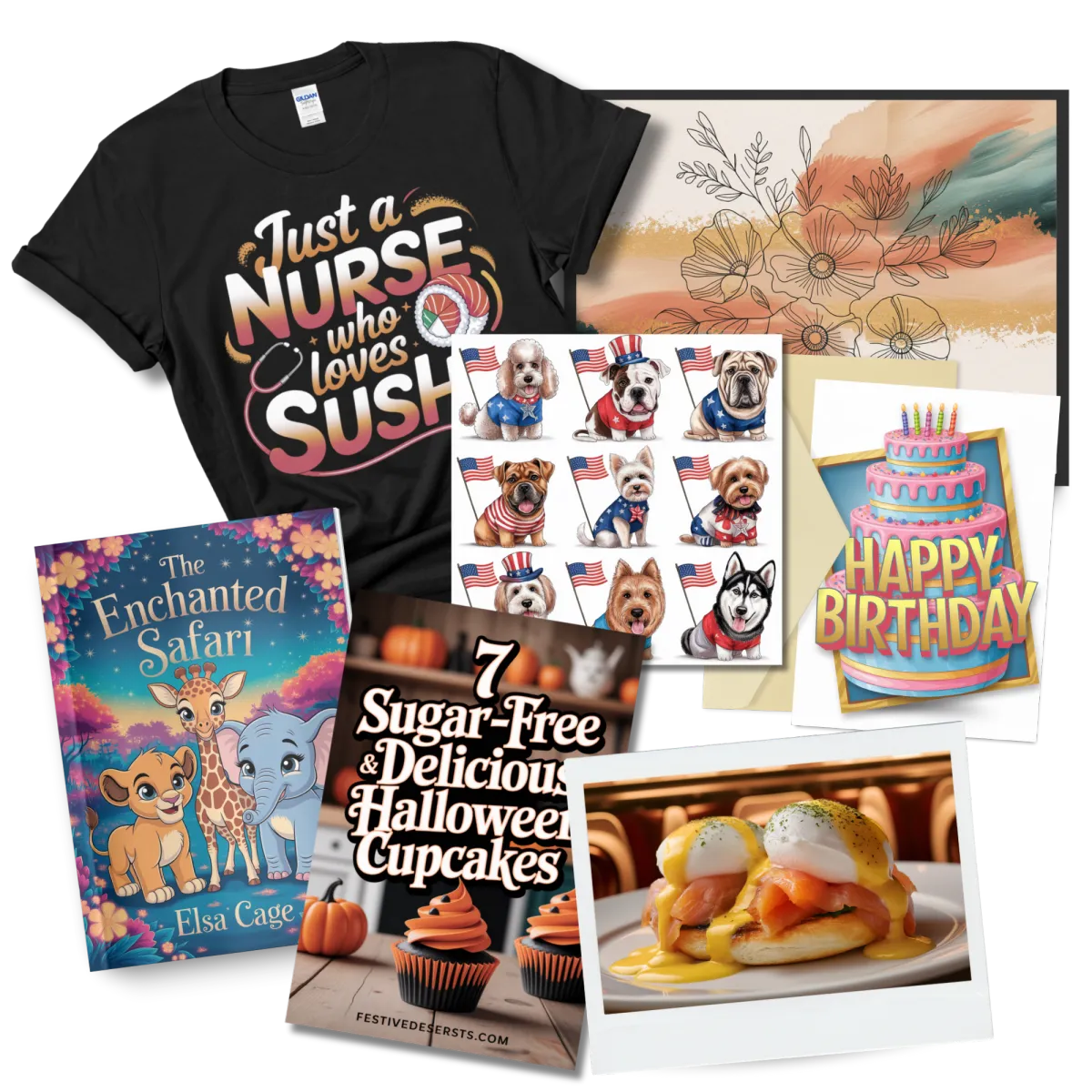

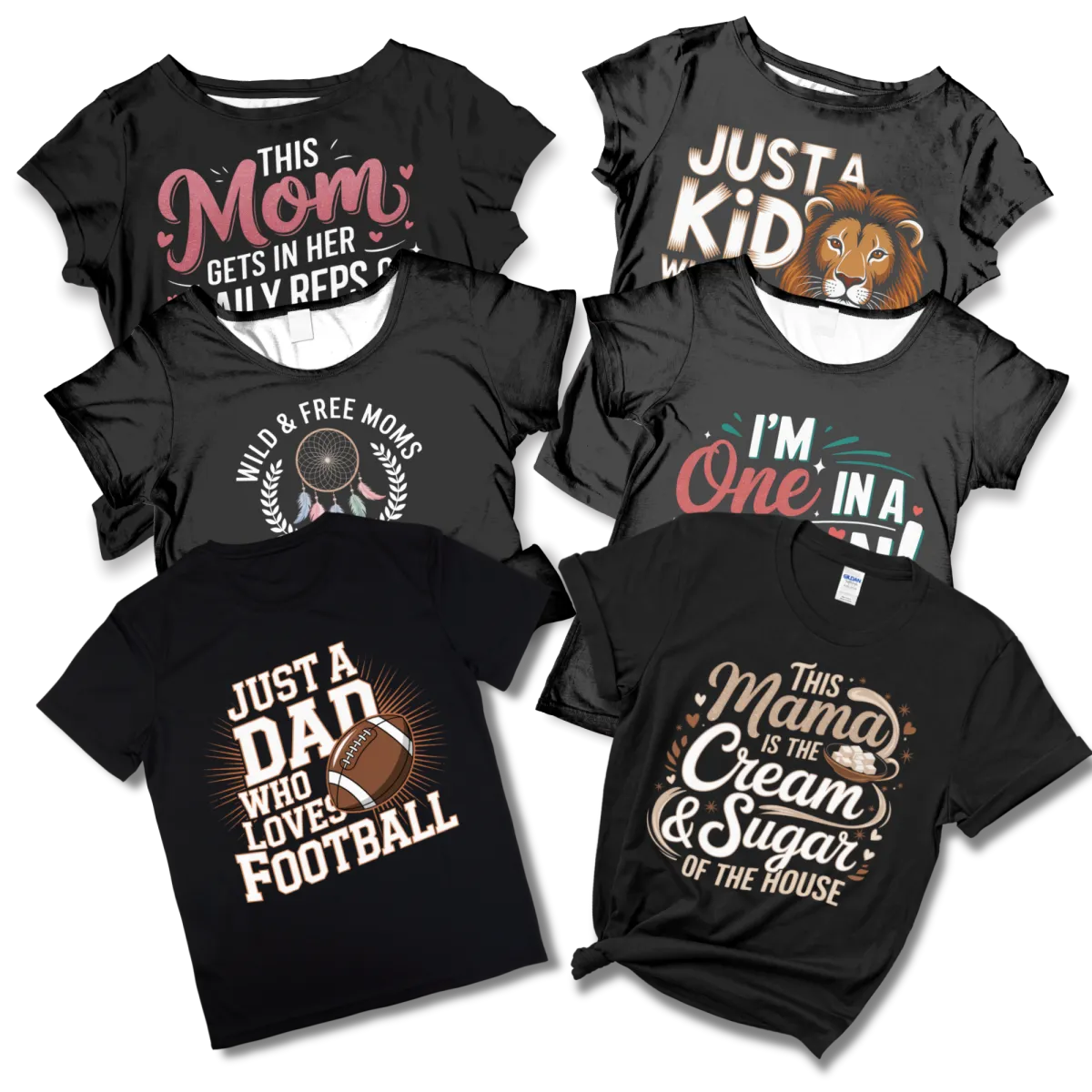
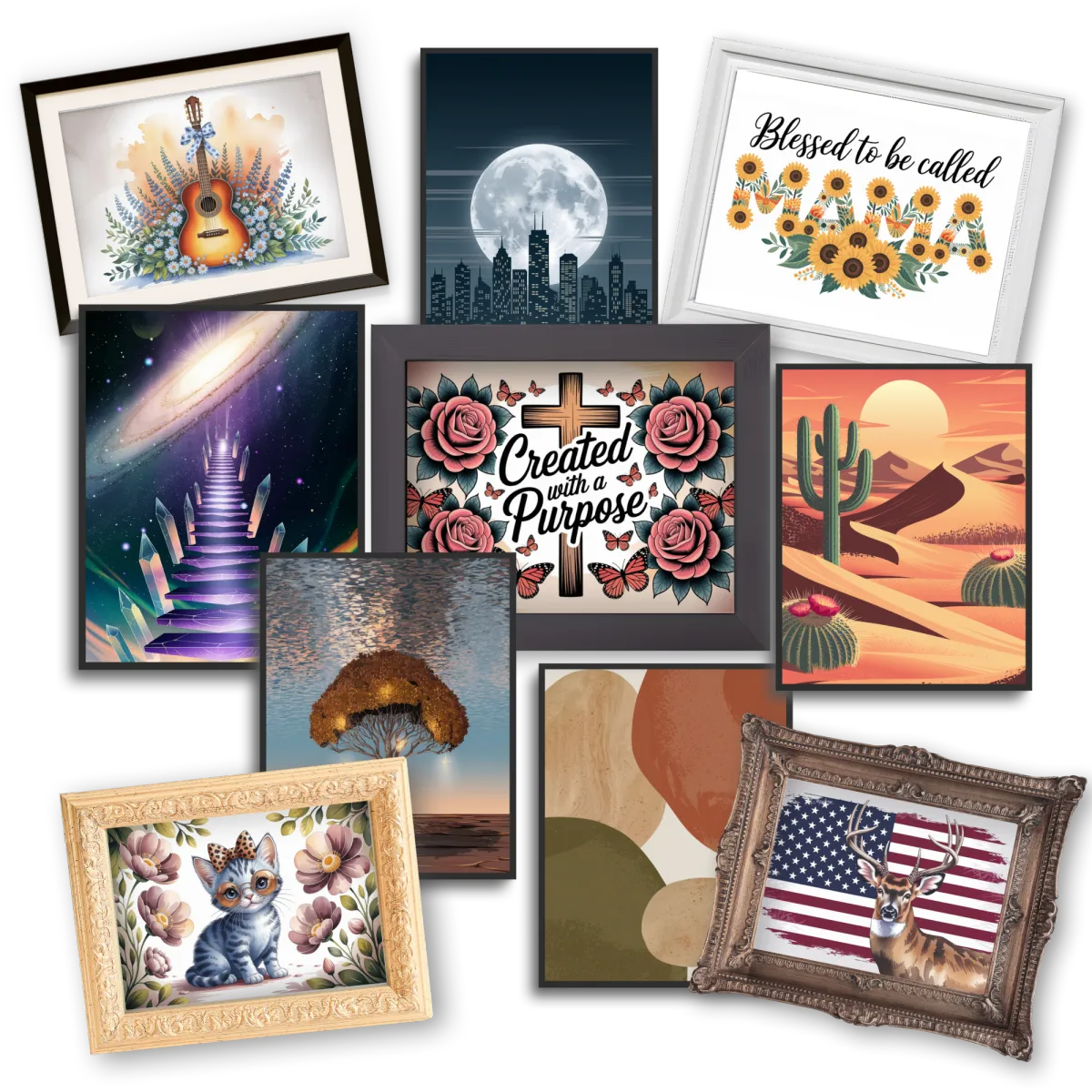
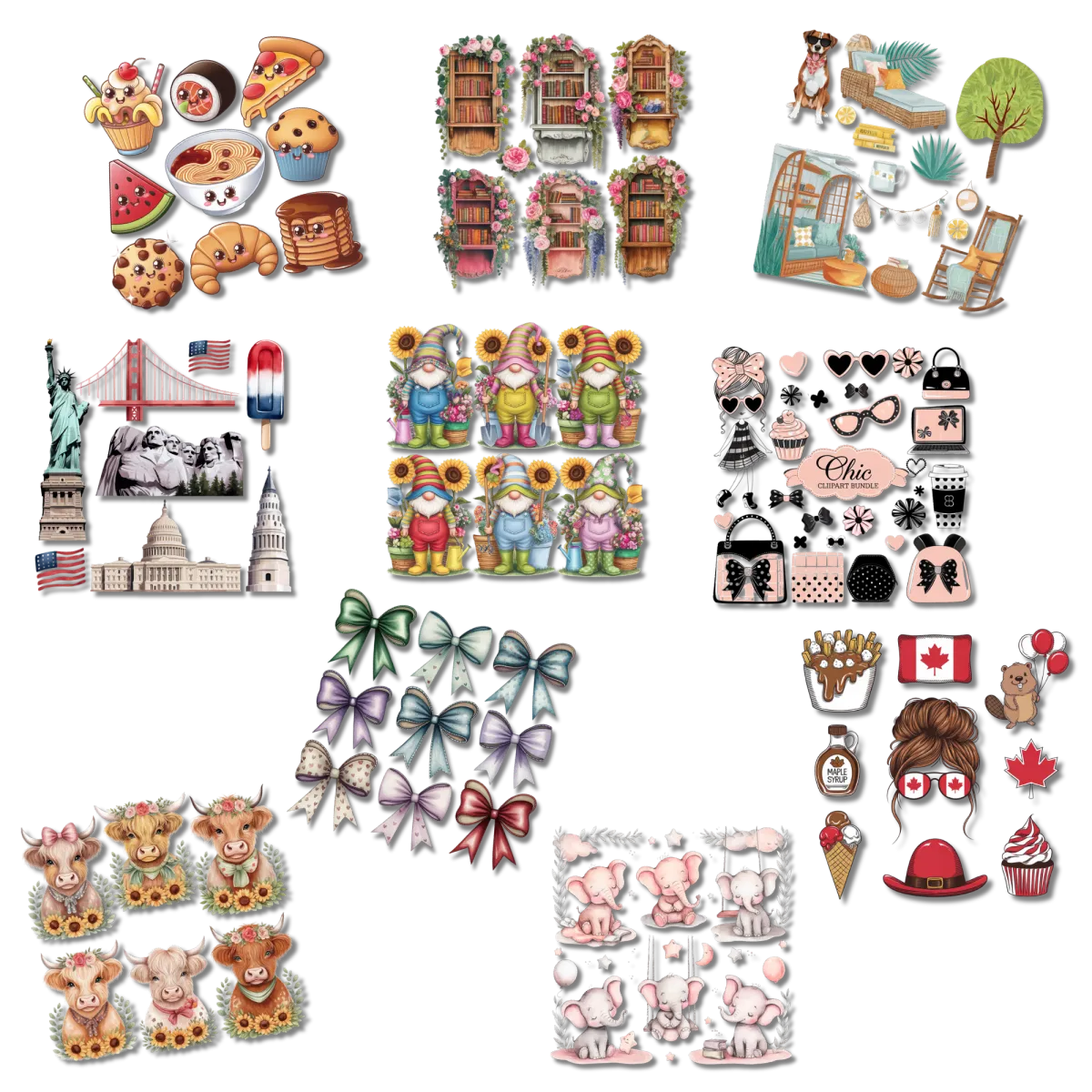
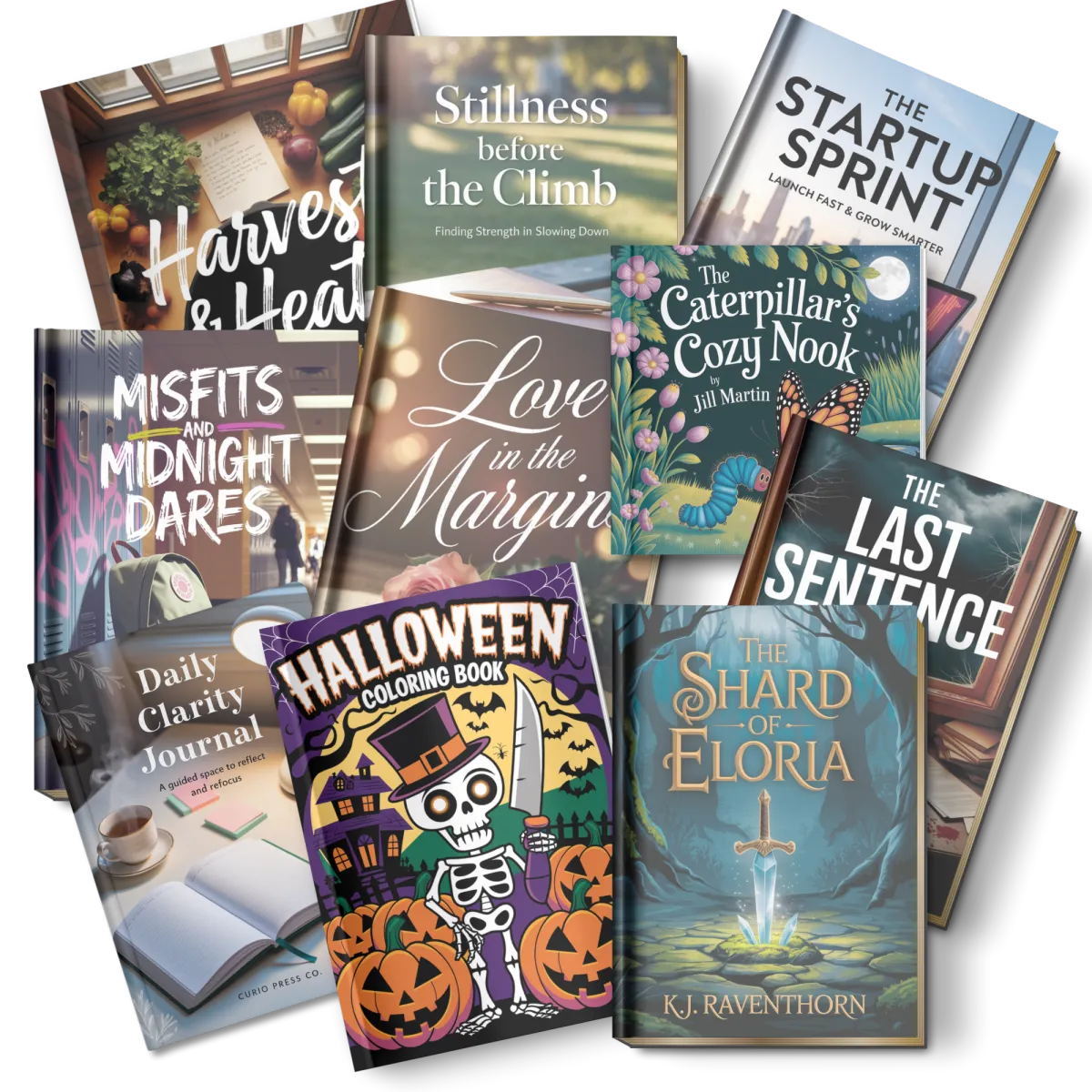
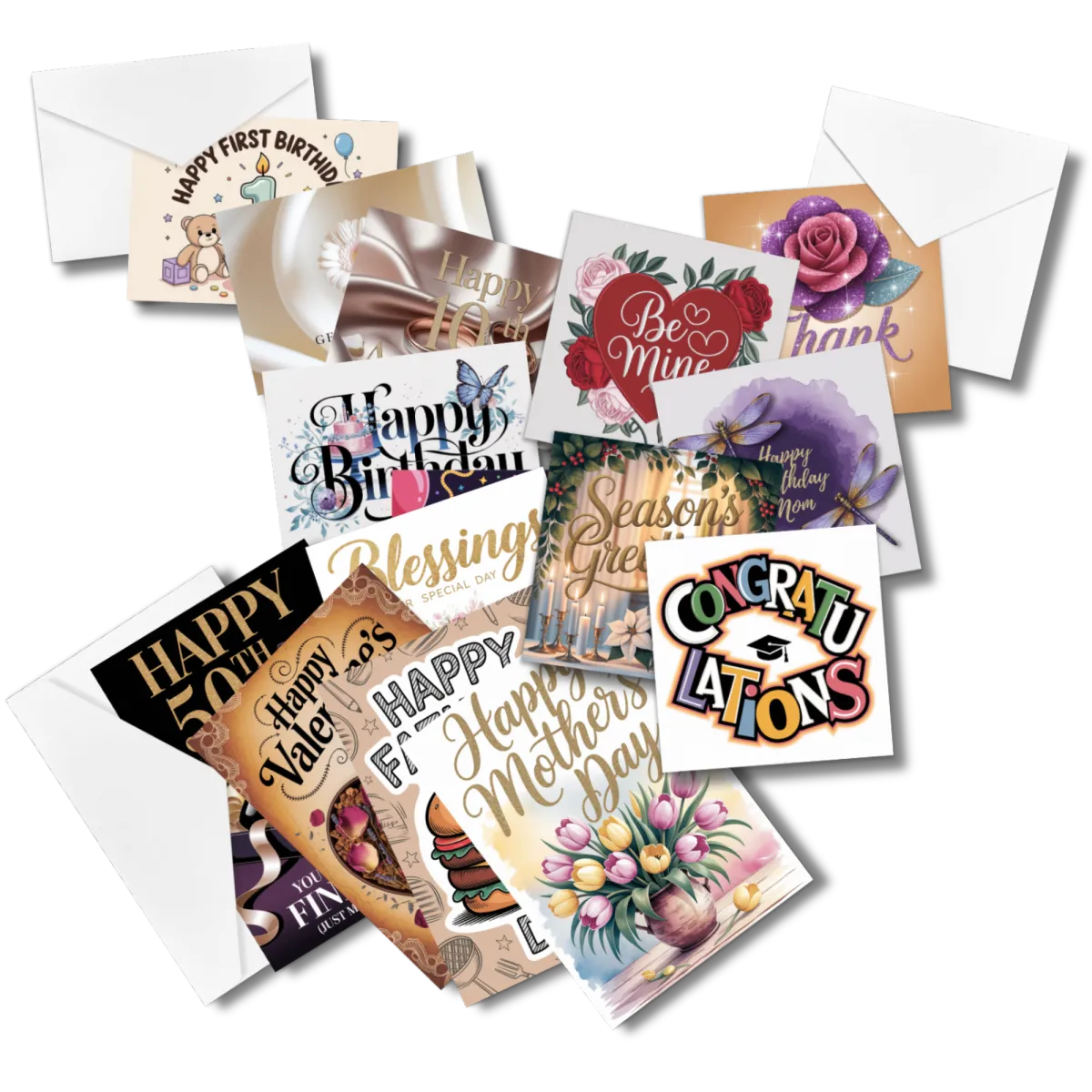
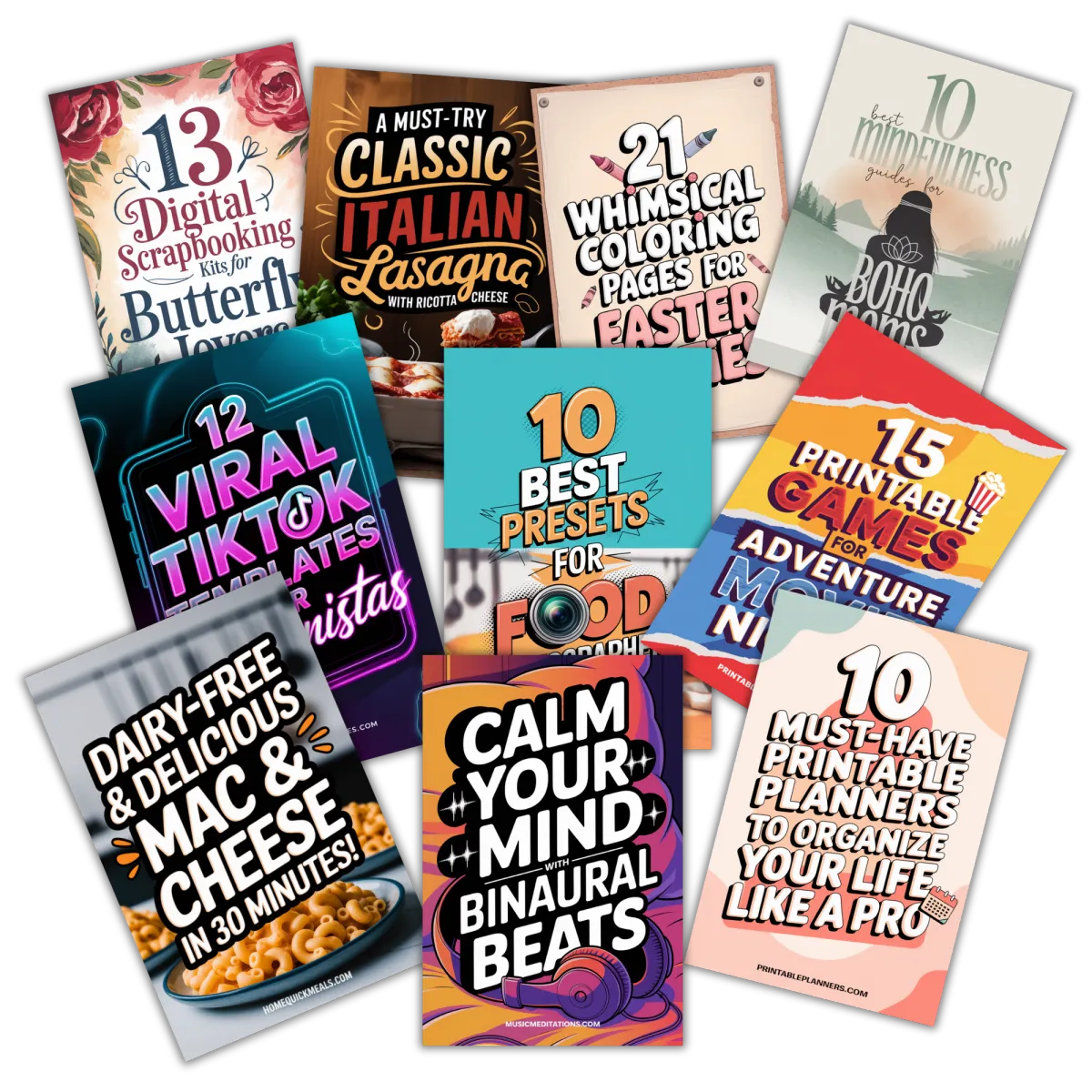
In need of stunning images for your next project?
Let me help you by crafting accurate prompts to generate amazing quality outputs using Ideogram — no guesswork, no fluff. Whether you need bold t-shirt designs, cute clipart sets, moody book covers, or scroll-stopping Pinterest pins, I’ll handle the creative direction so you can focus on what you do best: creating, selling, and growing your brand. Pick your image type below, fill out a quick form, and I’ll take care of the visuals.
Hello There!
Hey, I’m Asha — your AI design whisperer! Fueled by caffeine and Ideogram, I use custom prompts and creative strategy to turn everyday ideas into scroll-stopping designs for shirts, prints, pins, and more. No fluff. No filler. Just clean, custom visuals you can actually use commercially.
Want a closer look at my design style?
I've built an impressive gallery of designs that should give you an idea as to the type of images I can create for you - especially for black colored apparel. Hit that button below and explore my public profile on Ideogram.

Custom AI-generated images made simple
How the Process Works
Step 1
Choose your design type + fill out a form.

Step 2
Pay 50% deposit and I get to work.
Step 3
Pay for the completed work and get your final files.
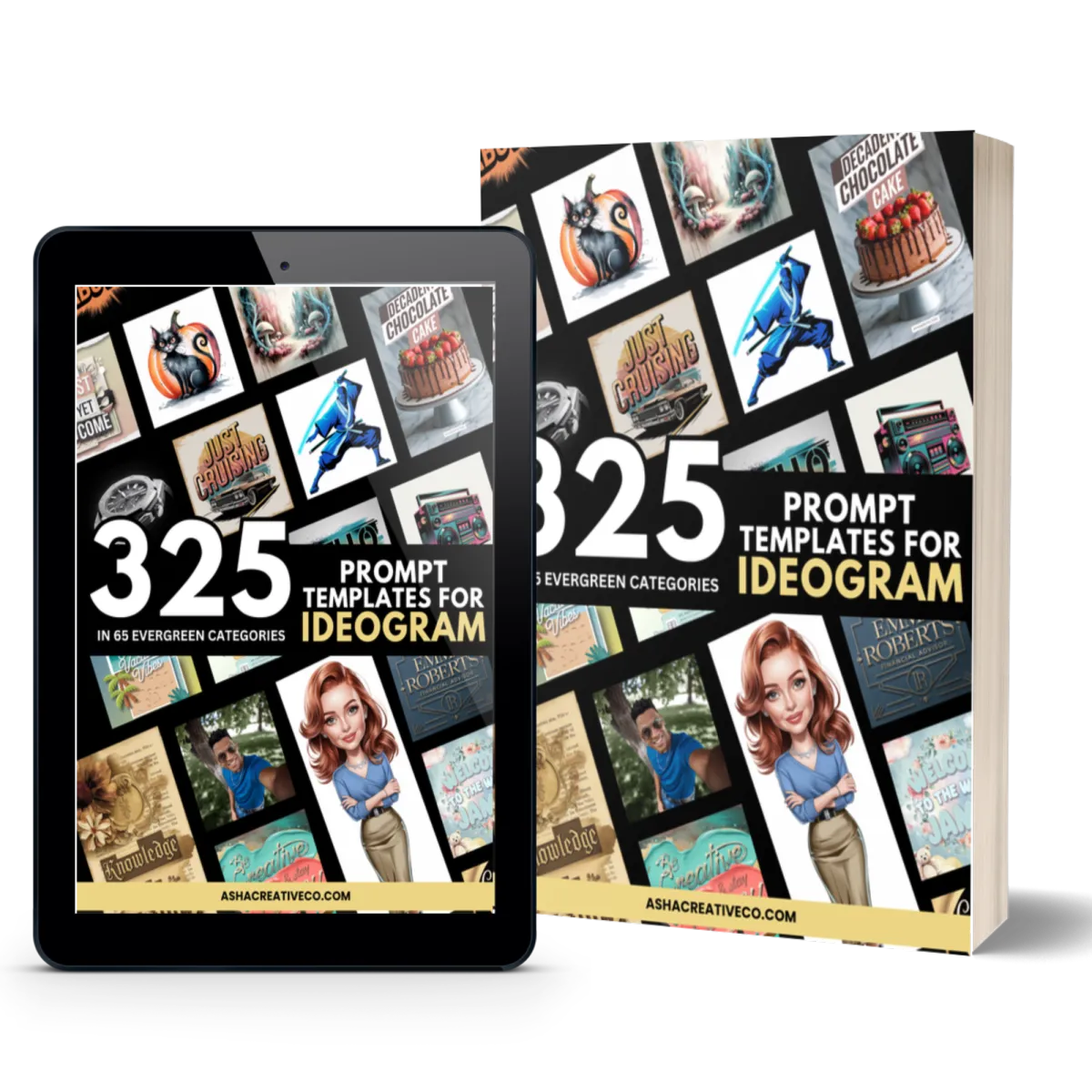
Want to Create Your Own Designs Like I Do?
Grab my exact prompt system and start designing with confidence in Ideogram.
Latest from the Blog
Blue Filters, Latex, and Class Warfare: An Underworld Review
Look, if you were conscious in 2003, you remember the vibe. Everything was monochromatic blue, everyone was dehydrated, and we all collectively agreed that wearing head-to-toe latex was a reasonable choice for a Tuesday night. We were the generation that thought a flip phone was the pinnacle of human achievement and that "industrial goth" was a viable career path.
Enter Underworld: the movie that took the classic "boy meets girl" trope, replaced the boy with a hairy guy who smells like wet dog, replaced the girl with a vampire who has serious daddy issues, and set the whole thing in a subway station that looks like it hasn't seen a janitor since the Great Depression. It’s basically Romeo and Juliet, but with more automatic weapons and significantly more brooding.
1. The Ultimate Homeowners Association Nightmare
At its core, Underworld is kind of a documentary about the world’s most intense property dispute. You’ve got the Vampires — the "Death Dealers" — who are essentially the ultimate 1%ers. They live in a massive, cold mansion, drink expensive fluids out of crystal flutes, and look down on everyone else with the kind of disdain usually reserved for people who bring store-bought potato salad to a neighborhood potluck.
They represent the rigid, aristocratic social structures we all thought we’d be part of by now. (Spoiler: We aren’t. We’re the ones wondering why the grocery store charges $7 for a head of lettuce.)
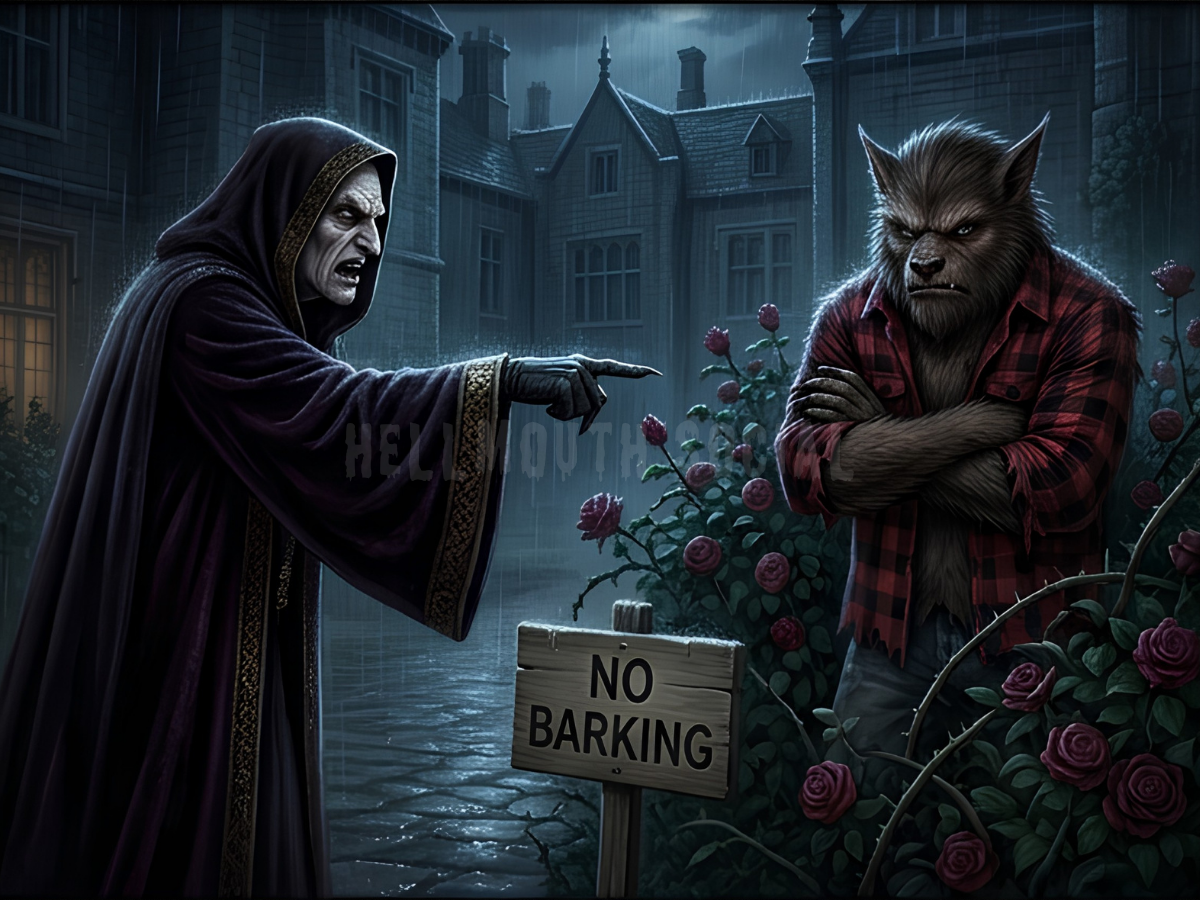
Then you have the Lycans. In 2003, they were the "scary" underground rebels. In 2026, looking back as a Xennial, they just look like a bunch of guys who got priced out of the city and are really, really mad about the lack of affordable housing. They live in sewers, they’re perpetually dirty, and they’ve got a massive chip on their shoulder about the "elites" upstairs.
The sociology here is peak "us vs. them". It’s a classic case of Social Stratification. The movie mirrors the early 2000s obsession with status symbols. While we were out buying low-rise jeans to feel "in", these vampires were maintaining a literal bloodline hierarchy.
It reminds us of that transition from our 20s, where we thought we’d be the ones in the mansion, to our 40s, where we’re just happy if the neighbors don't leave their trash cans out past Tuesday.
2. Work-Life Balance (When Your Boss Is 600 Years Old)
Let’s talk about Selene. She’s the quintessential "overachiever" we all were before burnout became our primary personality trait. She’s loyal, she’s efficient, and she’s doing the heavy lifting while the C-suite (the Vampire Elders) literally sleeps on the job.
Viktor is the ultimate toxic CEO. He’s been "in the industry" for centuries, he hates innovation, and he’ll gaslight you into thinking he’s your father figure just to keep his quarterly projections high.
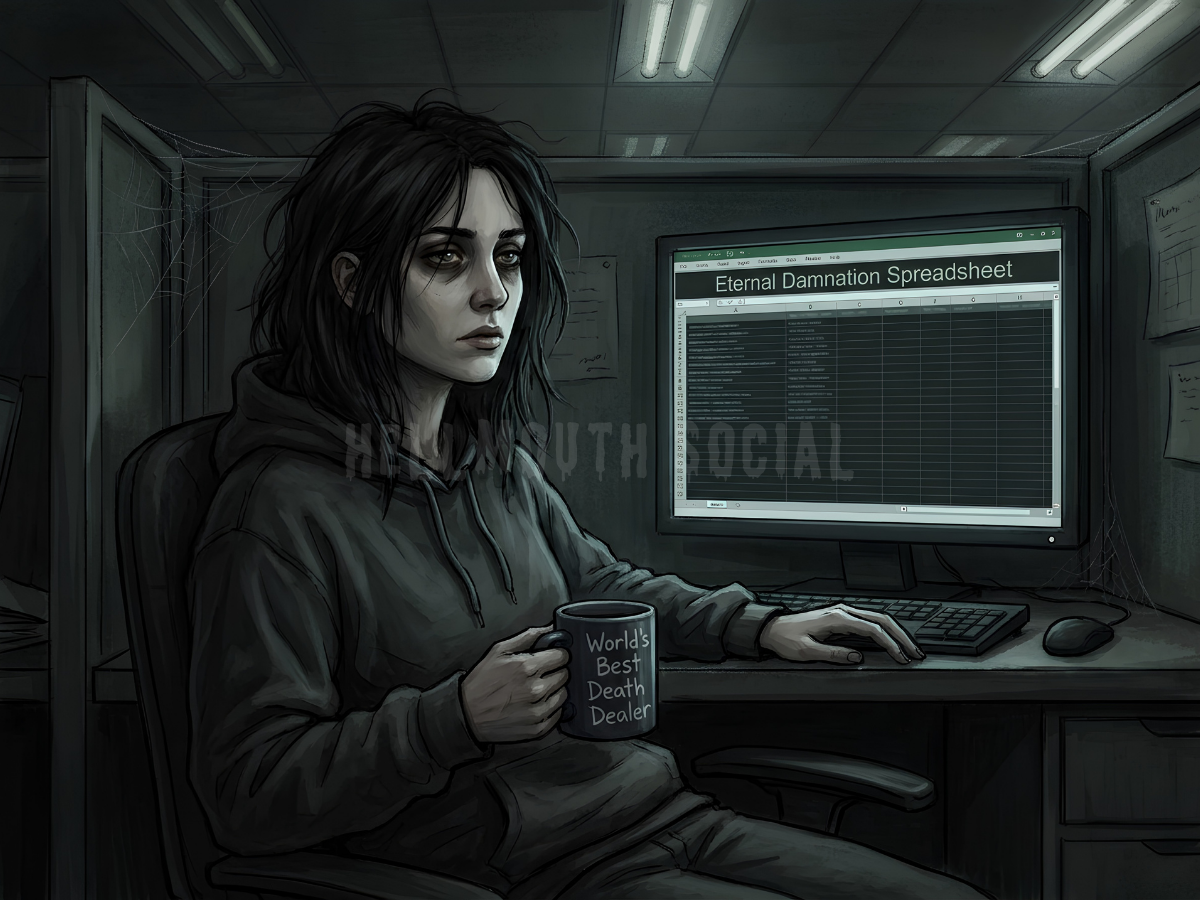
In 2003, we saw Selene as a badass warrior. In 2026, we see her as a middle manager who desperately needs a vacation and a HR department that isn't made of stone. The Lycans, on the other hand, represent the "disruptors". Lucian is the guy who left the corporate vampire world to start his own scrappy tech-startup (of rage and fur) in a basement.
The conflict is a perfect metaphor for the Conflict Theory we studied in college. It’s about who controls the means of production — or in this case, who controls the narrative of history. As Xennials, we’re currently sandwiched between the "Elders" (Boomers) who won’t retire and the "New Breed" (Gen Z) who seem to have superpowers we don't understand. We are Selene: tired, wearing too much black, and wondering if we can solve our problems with a very long nap in a coffin.
3. The "Hybrid" Identity Crisis (Or, My Knees Hurt)
The big plot twist involves Michael, the guy who becomes a "Hybrid". Back then, the idea of being two things at once was a cool sci-fi trope. Today, being a hybrid is just our daily reality. We are the last generation to remember life before the internet but the first to have our entire lives documented on it. We’re the "analog-digital" hybrids. We can still read a paper map, but we also know how to fix the Wi-Fi (usually by turning it off and on again while swearing).
In the movie, the Hybrid is feared because he represents a breakdown of the Social Order. He doesn’t fit into the neat little boxes the Vampires and Lycans have spent centuries building. This speaks to the Xennial experience of being the "middle child" of history.
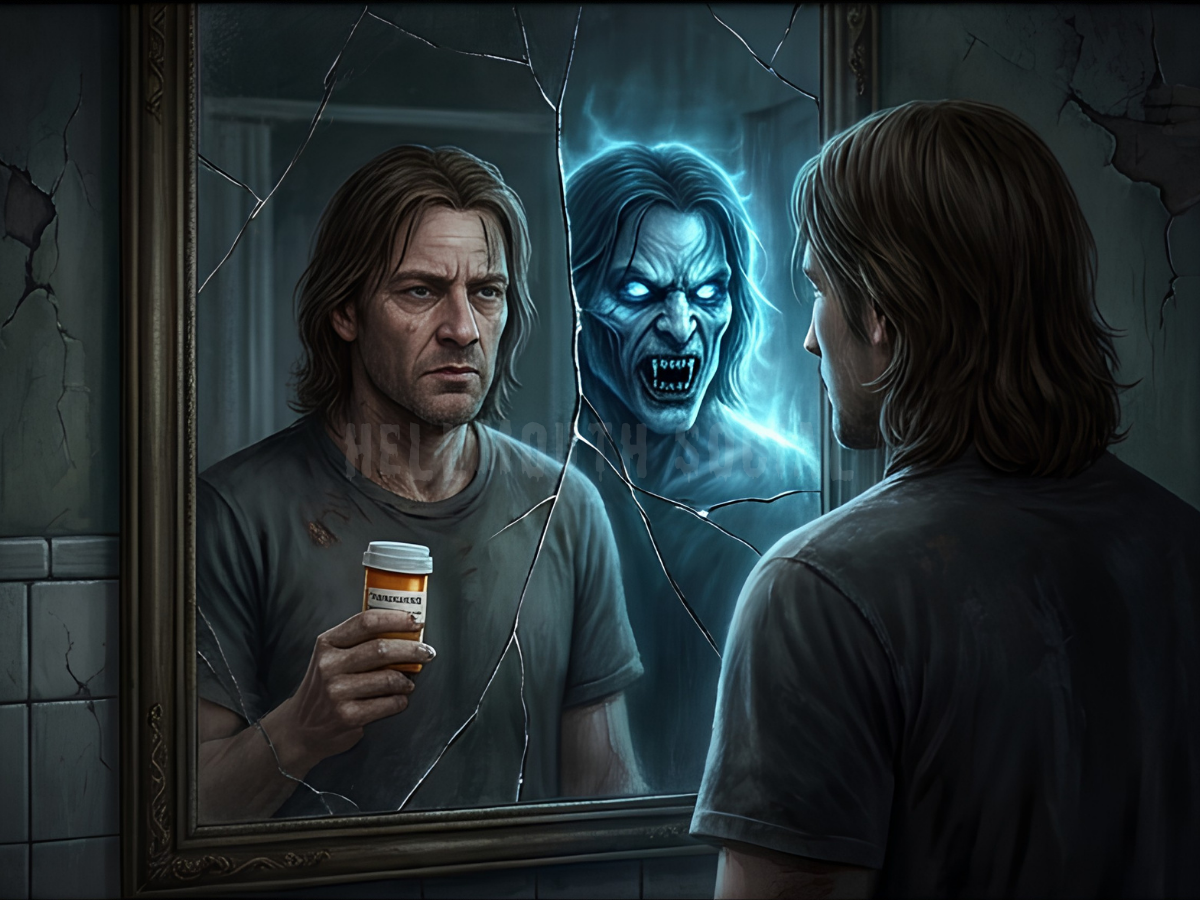
We don’t quite fit the nihilism of Gen X or the earnestness of Millennials. We’re just... here. In the middle. Probably with a slight back ache.
The movie’s obsession with "purity" of the bloodline is a hilarious look back at a time when we thought identity was fixed. Now, we know everything is a messy blend. Michael’s struggle to figure out what he is — vampire? wolf? medical professional? — is basically us every Sunday night trying to decide if we’re "young enough" to go to a concert or "old enough" to stay home and watch a documentary about mushrooms.
The Verdict: Still Blue, Still Moody, Still Us
Underworld is more than just a movie about leather-clad goth-mancers jumping off buildings without breaking their ankles (a feat I can no longer achieve if I step off a curb wrong). It’s a time capsule of an era where we thought the biggest threat to society was a secret war between monsters, rather than a secret war between people who use "Reply All" on company-wide emails.
It captures that early 2000s angst — the feeling that there’s a hidden world just beneath the surface, and that if we just wore enough eyeliner and found the right underground club, we’d finally belong. Looking back from our 40s, the "underworld" isn't a secret society of immortals; it’s just the group chat where we complain about our cholesterol levels and the price of streaming services.
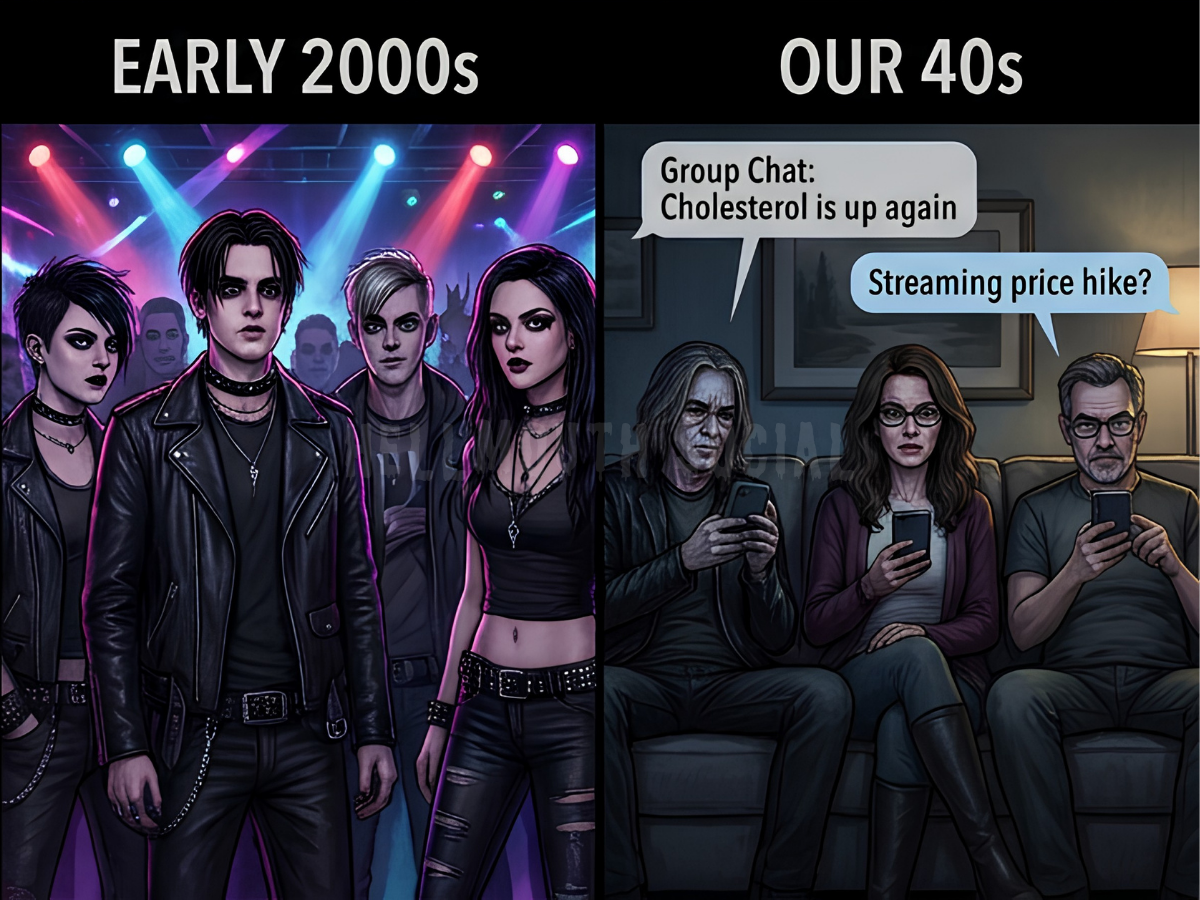
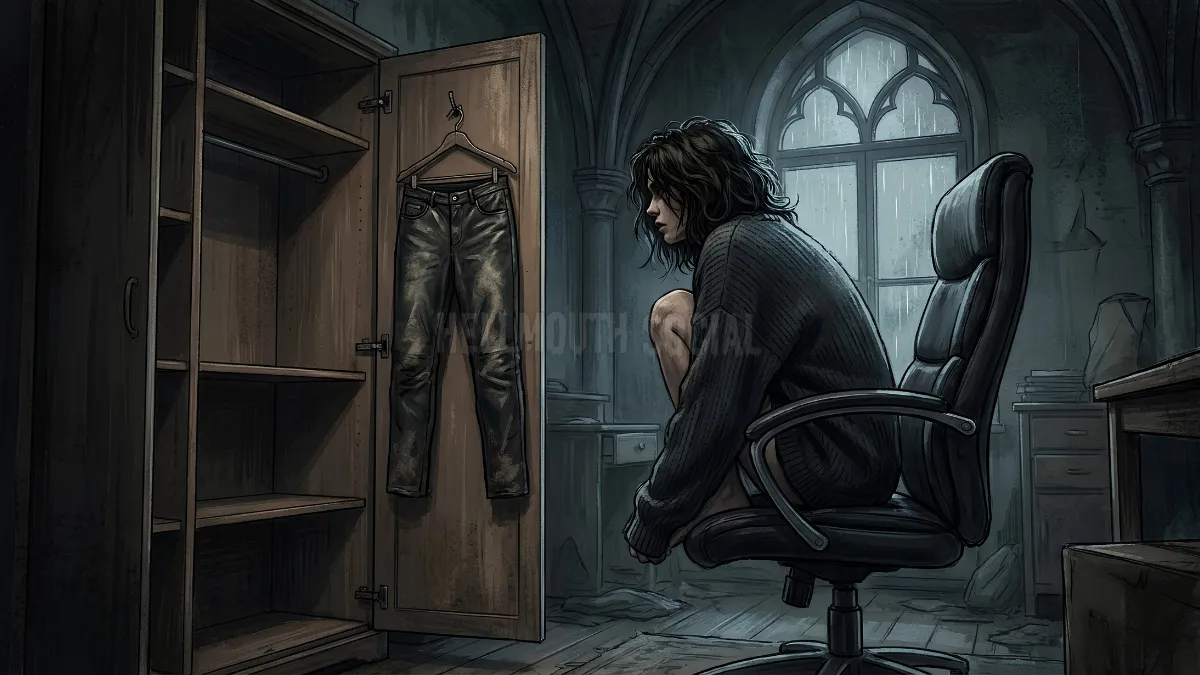
But hey, at least we still have the soundtrack. And maybe, just maybe, if I stretch long enough, I can still fit into those leather pants. (I can't. And that's okay. The Lycans lived in sewers, and honestly? In this economy, that’s just a "studio apartment with industrial charm.")
So, here’s to the blue filters, the over-the-top lore, and the realization that the real monsters were the friends we made along the way — mostly because they’re the ones who keep tagging us in unappealing photos from 2003. Stay thirsty, stay moody, and for the love of Viktor, remember to take your Vitamin D.
You aren't a vampire. You’re just a Xennial who hasn’t been outside in three days.