Custom
AI-Generated Designs for Creators Who Sell
Order custom t-shirt art, wall prints, clipart sets, and more — all tailored to your exact style!




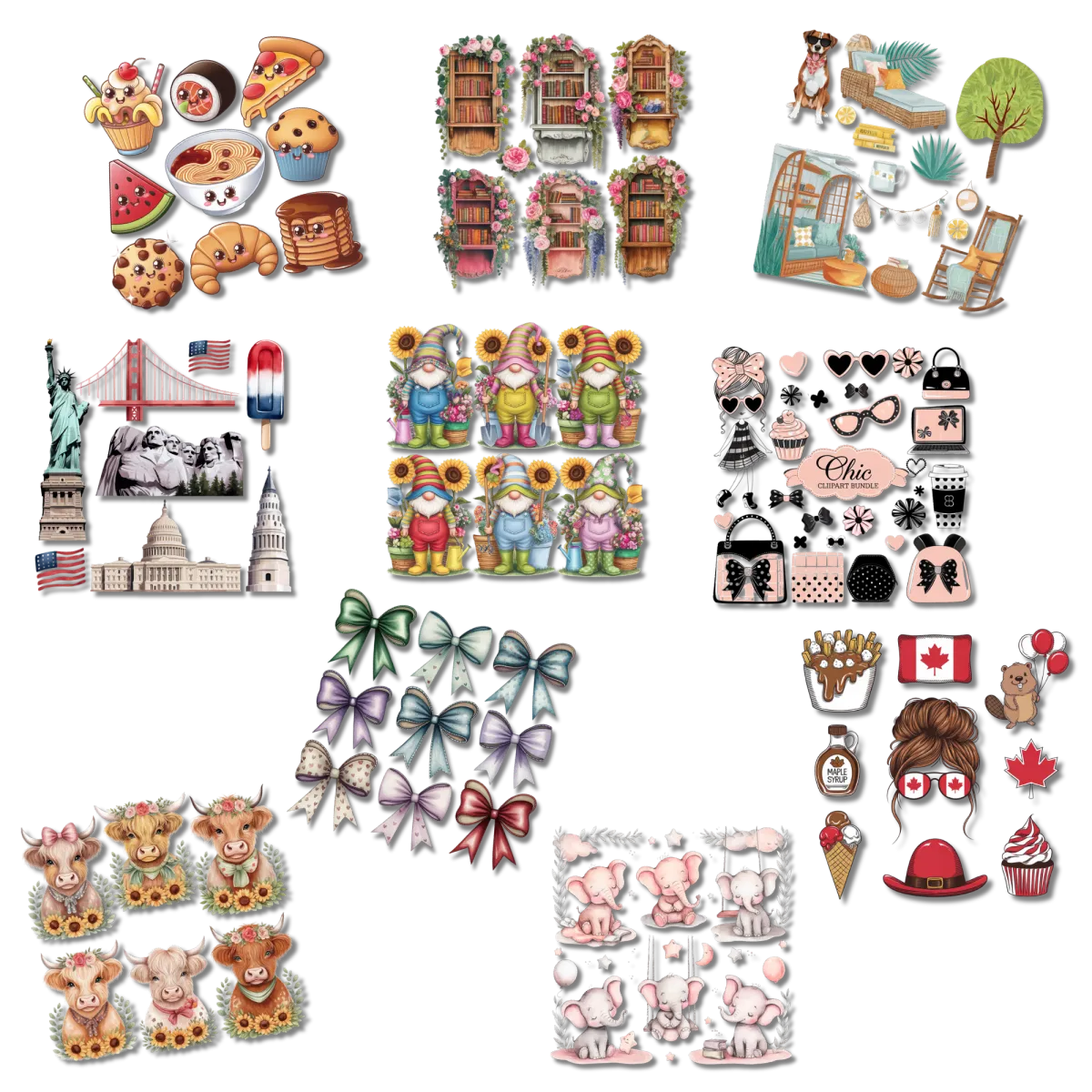
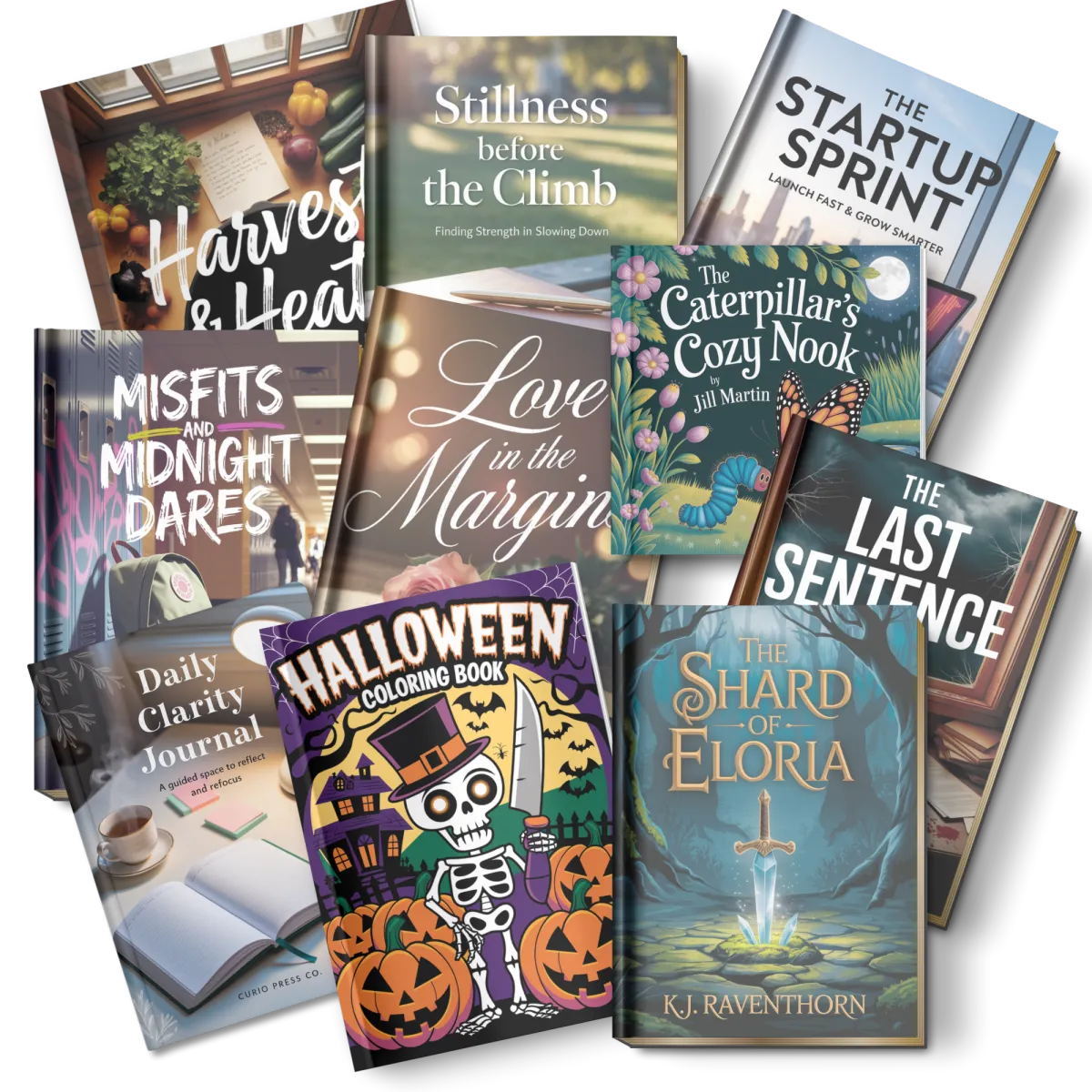
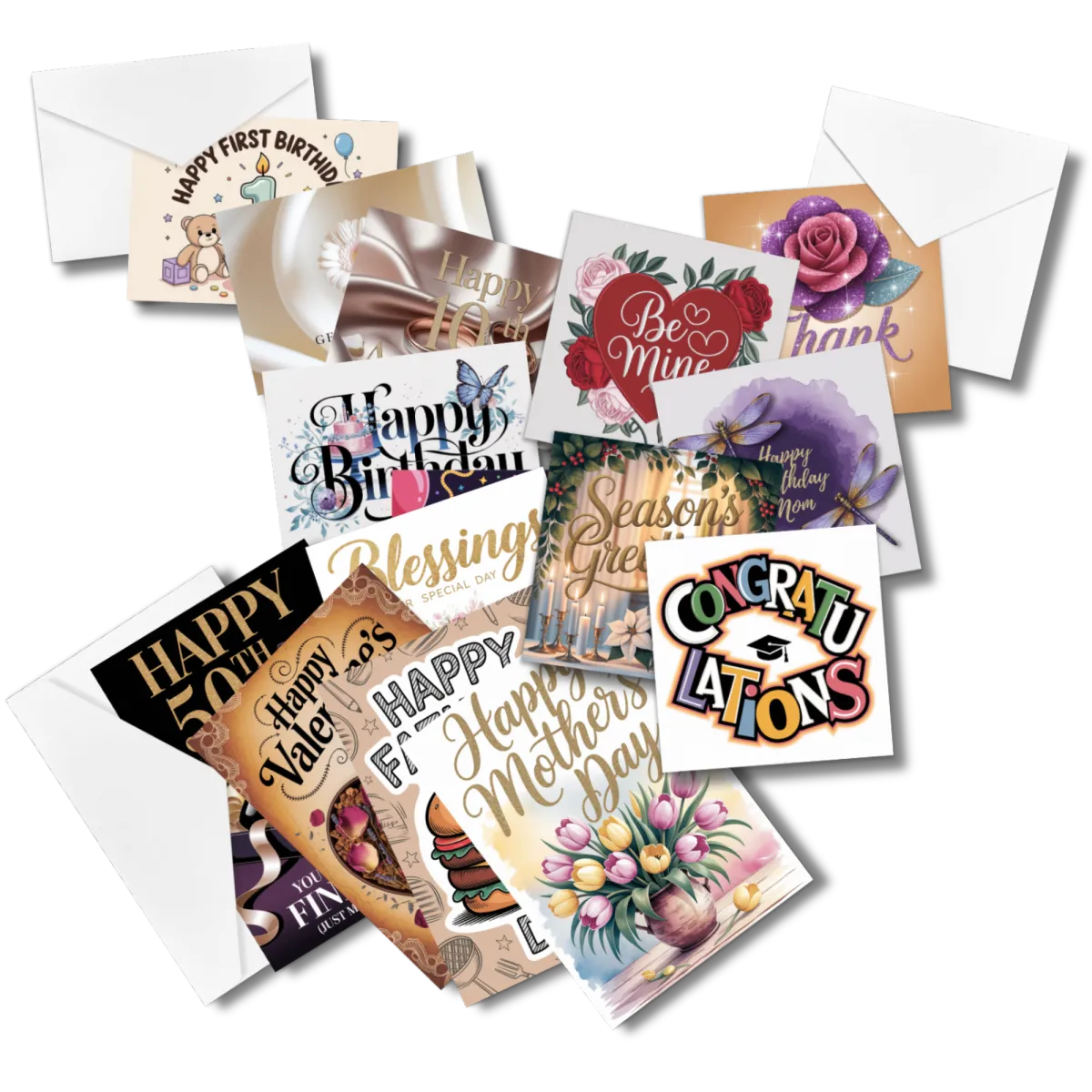

In need of stunning images for your next project?
Let me help you by crafting accurate prompts to generate amazing quality outputs using Ideogram — no guesswork, no fluff. Whether you need bold t-shirt designs, cute clipart sets, moody book covers, or scroll-stopping Pinterest pins, I’ll handle the creative direction so you can focus on what you do best: creating, selling, and growing your brand. Pick your image type below, fill out a quick form, and I’ll take care of the visuals.
Hello There!
Hey, I’m Asha — your AI design whisperer! Fueled by caffeine and Ideogram, I use custom prompts and creative strategy to turn everyday ideas into scroll-stopping designs for shirts, prints, pins, and more. No fluff. No filler. Just clean, custom visuals you can actually use commercially.
Want a closer look at my design style?
I've built an impressive gallery of designs that should give you an idea as to the type of images I can create for you - especially for black colored apparel. Hit that button below and explore my public profile on Ideogram.

Custom AI-generated images made simple
How the Process Works

Step 1
Choose your design type + fill out a form.

Step 2
Pay 50% deposit and I get to work.

Step 3
Pay for the completed work and get your final files.
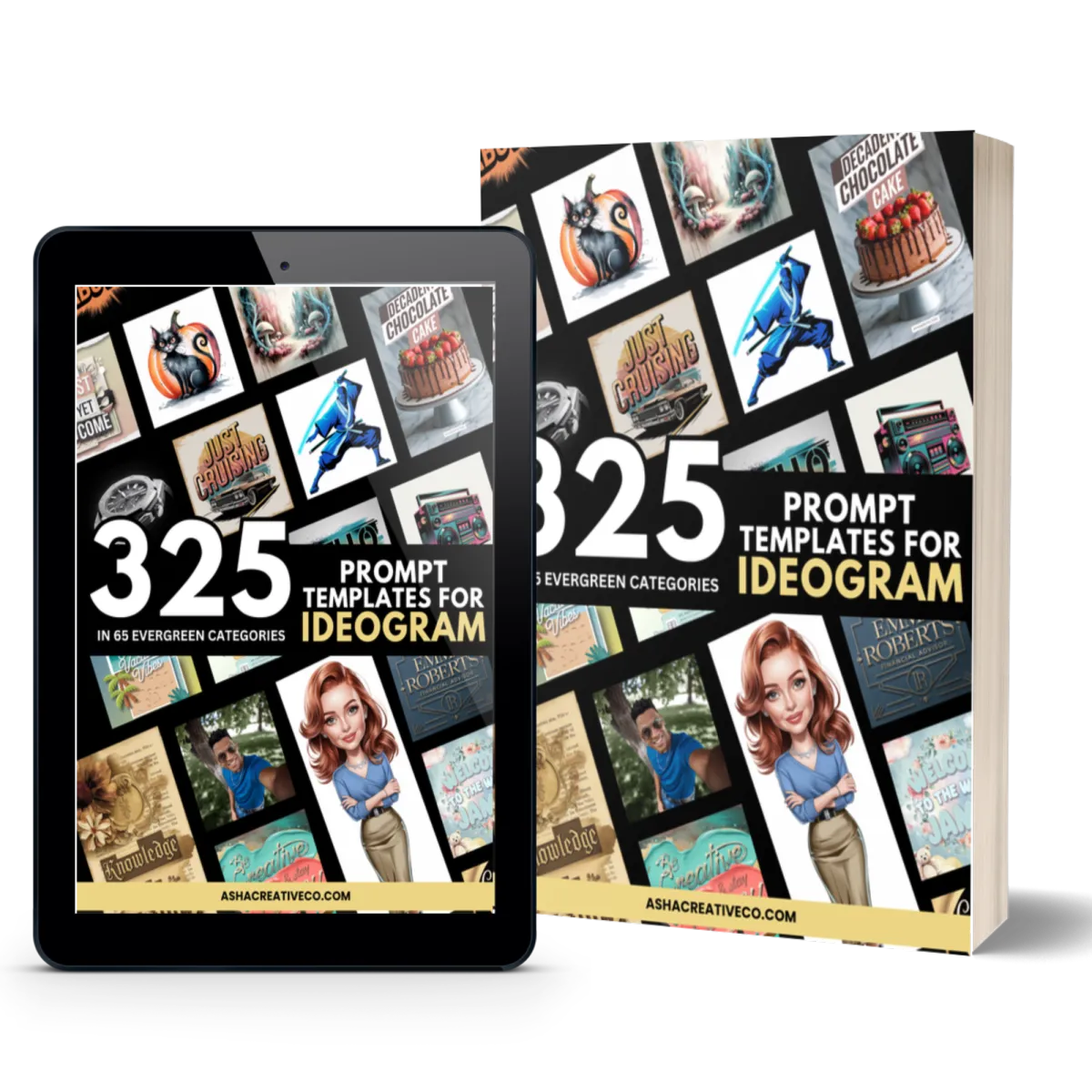
Want to Create Your Own Designs Like I Do?
Grab my exact prompt system and start designing with confidence in Ideogram.
Latest from the Blog
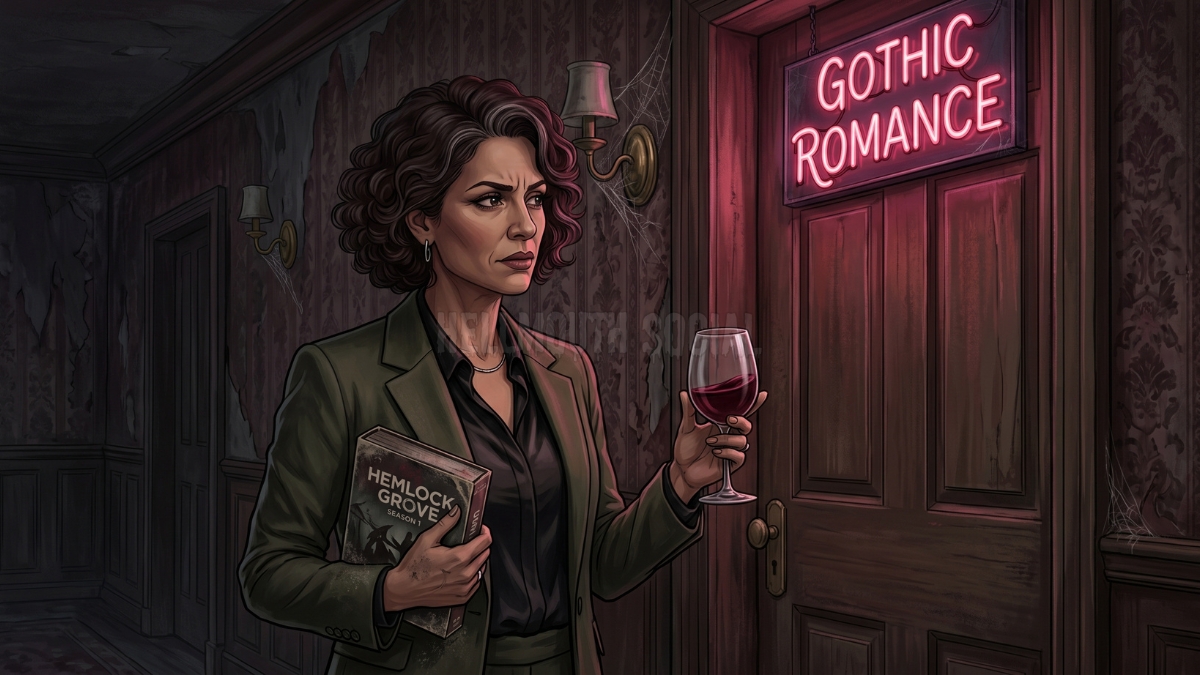
Hemlock Grove: Where the Blood is Red and the Taxes are High
Fellow Xennials, gather round. We are the Oregon Trail generation — the last people on earth who remember the physical sensation of waiting for a webpage to load, who wore low-rise jeans without complaint and then somehow pivoted to high-waist "mom" denim like none of it ever happened. We adapted. We endured. We also sat through a truly remarkable number of prestige-adjacent TV shows that mistook moodiness for depth and a severed limb for a plot twist.
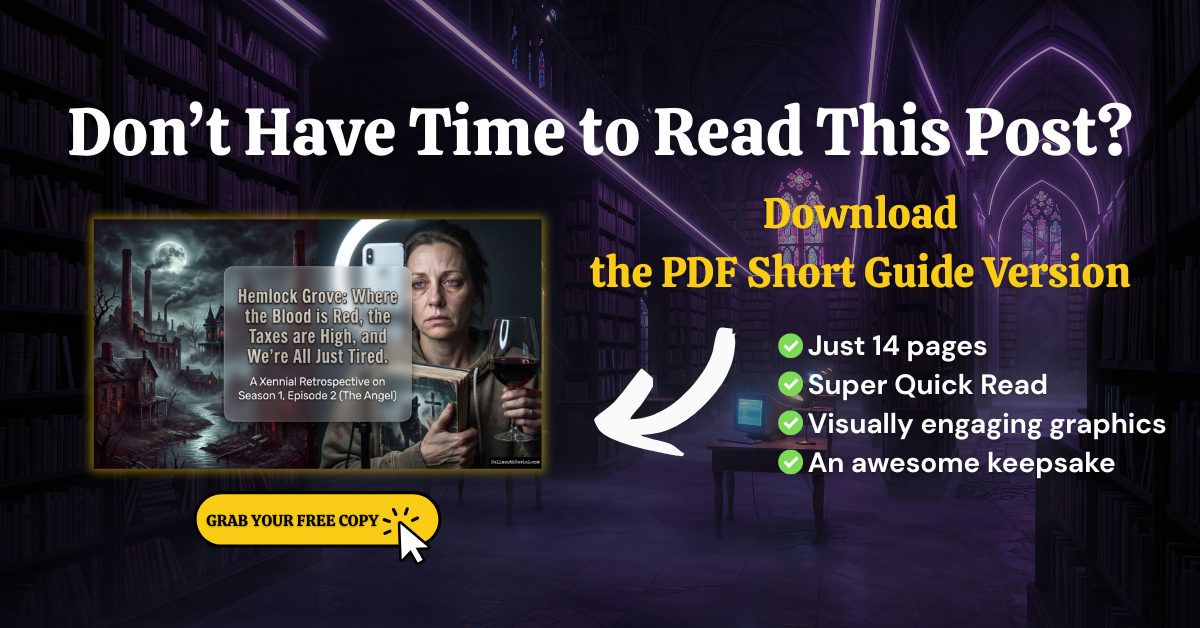
2013 was peak us, really. We were young enough to feel culturally relevant but old enough to be tired about it. Facebook was still theoretically for keeping up with people we actually knew, rather than a place to watch a distant relative lose their mind about a mayonnaise brand. Life had a certain naive texture to it. And into that texture arrived Hemlock Grove — dropped onto that streaming service we've all been sharing login credentials for since approximately forever — like a gothic fever dream someone accidentally greenlit.
Going back to Season 1, Episode 2, "The Angel", is an experience. Not a bad one, exactly. More like finding an old journal in a shoebox and reading it with equal parts affection and secondhand embarrassment.
The episode plants us firmly in Hemlock Grove, Pennsylvania, a town so economically divided it makes your average company town look like a worker's paradise. The Godfrey family own everything within eyeshot — the mills, the mansion on the hill, presumably the concept of eye contact itself. Then there's Peter Rumancek, new in town, living in a trailer, radiating the specific energy of someone who has never once trusted an HOA. The wealth gap between these two worlds is not subtext. It is, generously, text.
"The Angel" is ostensibly about a dead girl and some deeply unsettling small-town secrets. But rewatch it now and it's something else too — a snapshot of exactly how we used to tell stories about class and belonging, dressed up in fog machines and flannel, right before we all quietly gave up on fitting in and started prioritising footwear with proper arch support.
1. The Godfrey Estate: Because Why Have a House When You Can Have a Fortress of Solitude?
Sociologically speaking, this episode leans hard into Social Stratification. Back in 2013, we were deep in our "eat the rich" era — not that we'd actually do anything about it, but we were thinking very hard in that direction. The Godfreys are the show's answer to every trust-fund villain we've ever loved to resent: old money, the kind that's been sitting in a dark room so long it's developed its own ecosystem. It almost certainly smells of mothballs, mahogany, and low-grade institutional corruption.
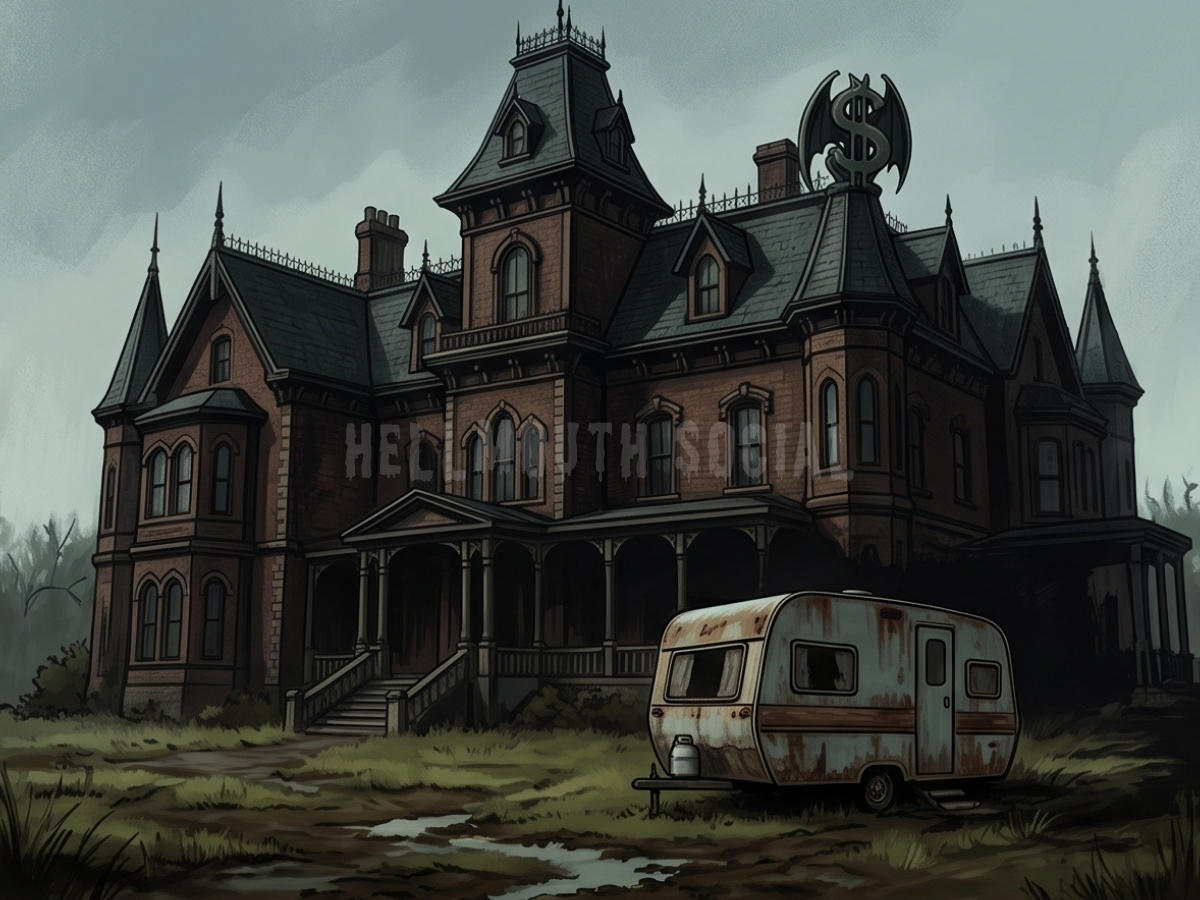
Roman Godfrey is the episode's centrepiece of this particular social tableau. He is, in the most technical sense, a walking red flag in a leather jacket — exactly the sort of brooding, cheekboned bad boy we would have been absolutely feral over in 1998. Watching him now, in our forties, the instinct is somewhat different. Mostly we just want to know whether he's considered a low-fee diversified index fund, and whether that jawline comes with a dental plan.
The show is not subtle about its class politics, and frankly, it doesn't need to be. The Godfreys don't just have money — they exist in an entirely separate atmospheric layer from the rest of Hemlock Grove. They are the town in any meaningful sense: they own the mills, they set the social temperature, they seem to exert a kind of gravitational pull on every other character's decision-making.
In our twenties, wealth like that registered somewhere between aspirational and intoxicating. Forty-something eyes see it differently. Mostly what they see, staring at that vast Gothic estate, is an absolutely punishing heating bill. The property taxes alone on a Pennsylvania castle would be enough to make a grown adult lie down on the floor and not get up.
Against all of this, we have Peter Rumancek. His trailer. His complete absence of inherited anything. And the town's immediate, barely-disguised suspicion of him — not for anything he's done, but for what he represents: an outsider who didn't arrive with the right postcode. The contrast between Roman’s sleek car and Peter’s lived-in trailer is the show’s way of hitting us over the head with Class Consciousness. In 2013 we were still genuinely angry about systemic inequality in a way that felt energising. These days the anger is still there, it's just... horizontal. More of a resigned sprawl than a rallying cry.
"Community", the episode quietly reminds us, has always had a fine-print definition. Reread it and you'll usually find it means: people who look like us, spend like us, and don't ask uncomfortable questions about how the Godfrey family actually made their money.
2. Secrets and Lies: The Original Social Media Privacy Policy
"The Angel" is where the episode's titular mystery properly unfurls: Letha Godfrey, Roman's cousin, is pregnant. The explanation she offers is, to put it gently, unconventional. Miraculous, she says. An angel, she says. The town responds with the measured, compassionate open-mindedness you'd expect from a small Pennsylvania community with a Gothic castle on the hill, which is to say: it does not.
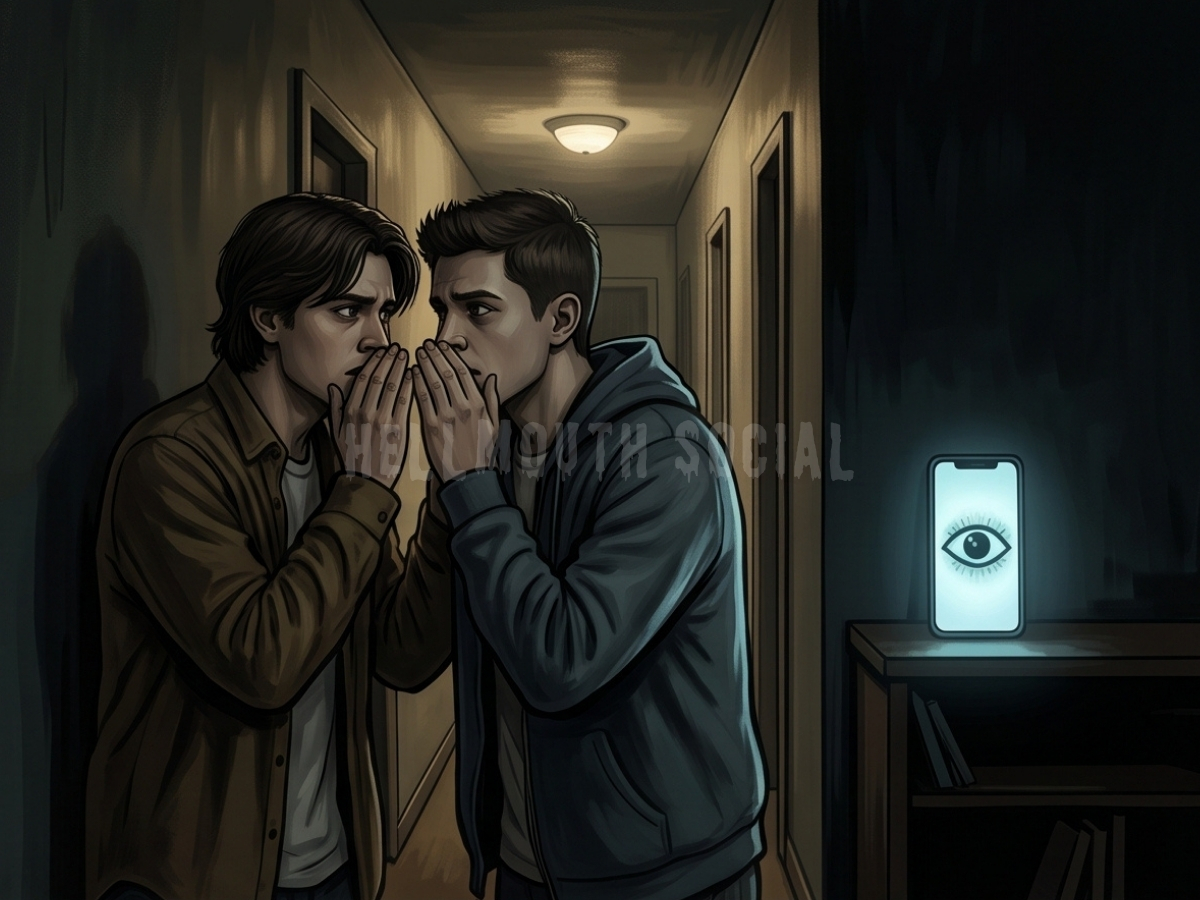
Meanwhile, the rumour mill is already grinding on Peter Rumancek — new kid, trailer, suspicious cheekbones — and the whisper network has reached its verdict well ahead of any actual evidence. The show is operating here in classic Gothic territory: secrets as social currency, reputation as survival mechanism, and the town itself functioning less like a community and more like a jury that's already deliberating.
It's a dynamic that felt timely in 2013, when we were all simultaneously oversharing on Instagram (remember treating a photo of avocado toast like a dispatch from the front lines?) and completely paranoid about what people were saying about us behind our backs. The Cognitive Dissonance was immaculate.
What's genuinely charming about rewatching this now, though, is the method of all this secrecy. They use landlines. They have furtive conversations in actual forests, in the physical dark, with their actual mouths. As Xennials, we remember this world. We remember being unreachable for an entire weekend without it constituting an emergency. No GPS. No read receipts. You could simply vanish for 48 hours and reconvene on Monday with a vague excuse and zero documentation. It was, in retrospect, extraordinary.
Hemlock Grove catches that world right at the hinge point — the last gasp before total surveillance became just the ambient condition of being alive. The Institute looming over the town is the show's heavy-handed metaphor for it, bless its gothic little heart, but the metaphor isn't wrong. The walls were closing in. The eye was opening. The ability to keep a secret was beginning its long, quiet retirement.
If this show were set today, Peter's werewolf transformation would be on TikTok before he'd fully grown the tail. There'd be a reaction compilation within the hour. Someone would make it their personality.
3. The "Outsider" Syndrome: Being the New Kid When You’re Already Weird
If this show has a Xennial spirit animal, it's Peter Rumancek. He's new in town, he lives in a trailer, he has the resting expression of someone who has read too much and trusts too little, and all he really wants is to be left alone to smoke and look architecturally brooding. The town of Hemlock Grove, naturally, will not be granting this request.
The show labels Peter as Romani — "Gypsy" is the word it uses, a term that has not exactly aged into respectability and sits in the script now like a relic you wince at but leave in for historical accuracy. He represents the "Other"— the person the community chooses to blame because it’s easier than looking at their own skeletons.
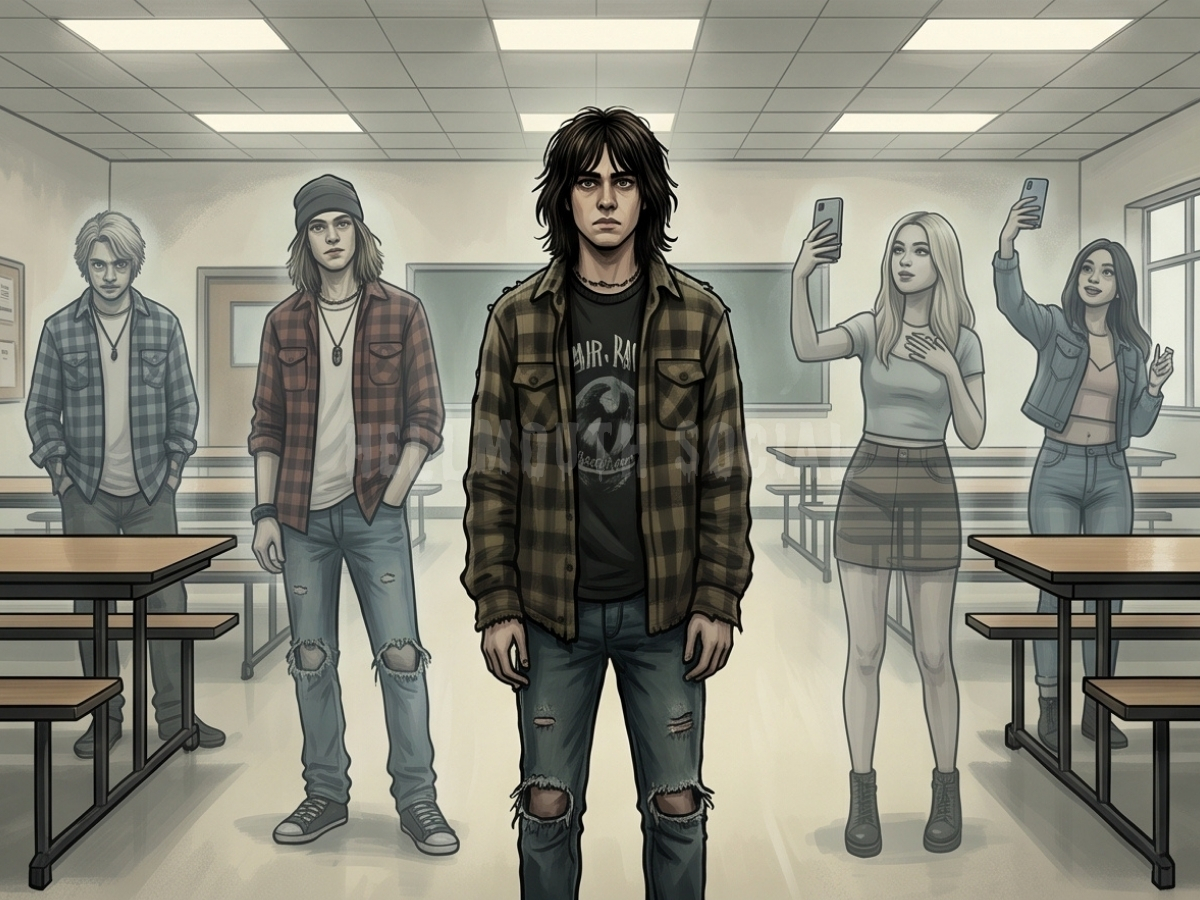
In the mid-2010s, we were still romantically attached to the outsider archetype. The indie kid. The misfit with good taste and a complicated backstory. We rooted for him. We were him, in our heads, at least occasionally. Now, in our forties, we've developed a more grounded perspective on what being an outsider actually means in practice. Mostly it means a harder time getting a mortgage and having to explain yourself at every party. The romance fades.
What doesn't fade is the recognisability of the machinery the town uses against Peter. It's scapegoating in its purest, most efficient form — a young woman is dead, the community is frightened, and rather than sit with that fear or interrogate its own dynamics, Hemlock Grove simply... points.
We grew up in the tail end of the Satanic Panic, watched it morph through successive cultural iterations, and arrived in the 2020s with a front-row seat to how societies in every era find their designated villain and hold on tight. The villain is rarely the actual problem. The villain is a distraction from the actual problem. Peter Rumancek is a very atmospheric distraction.
And yet — and this is where the episode earns some genuine goodwill — out of all this suspicion and low-grade hostility emerges one of the more entertaining dynamics of the season: Peter and Roman, circling each other with the specific wariness of two people who have correctly identified that the other one is also weird, possibly dangerous, and definitely more interesting than everyone else in the immediate vicinity.
It's the Odd Couple by way of a Pennsylvania fever dream. One of them has a black card and a family curse. The other turns into a wolf. They will, inevitably, become friends.
It has the exact texture of those strange, intense friendships we all made in our twenties — the ones with no logical foundation beyond proximity and a mutual, unspoken contempt for the rest of the room. No shared history, no common ground, just: you're also finding this unbearable, I see. Some of those friendships lasted. Some of them were entirely situational. All of them made perfect sense at the time.
Conclusion: We’re All Just Werewolves in Yoga Pants Now
Rewatching "The Angel" is, above all else, a reminder of a very specific aesthetic moment in television history — one where monsters were required to be brooding, lighting was legally obligated to be terrible, and the camera lingered on rain-slicked streets with the solemnity of a man who has just discovered cinema.
We loved it.
We absolutely lapped it up.
We had no idea how much of it was just vibes with a mythology stapled on!
But here's the thing about vibes with mythology stapled on: sometimes the mythology actually holds. Strip away the fog machines and the leather jackets and the inexplicable number of scenes set in forests at 2am, and "The Angel" is engaging with ideas that haven't gone anywhere. Class as destiny. Secrets as both protection and prison. The exhausting, lifelong project of finding people who will tolerate your particular variety of strange. These were not 2013 problems. They were not even 1993 problems. They are, depressingly and comfortingly in equal measure, just problems.
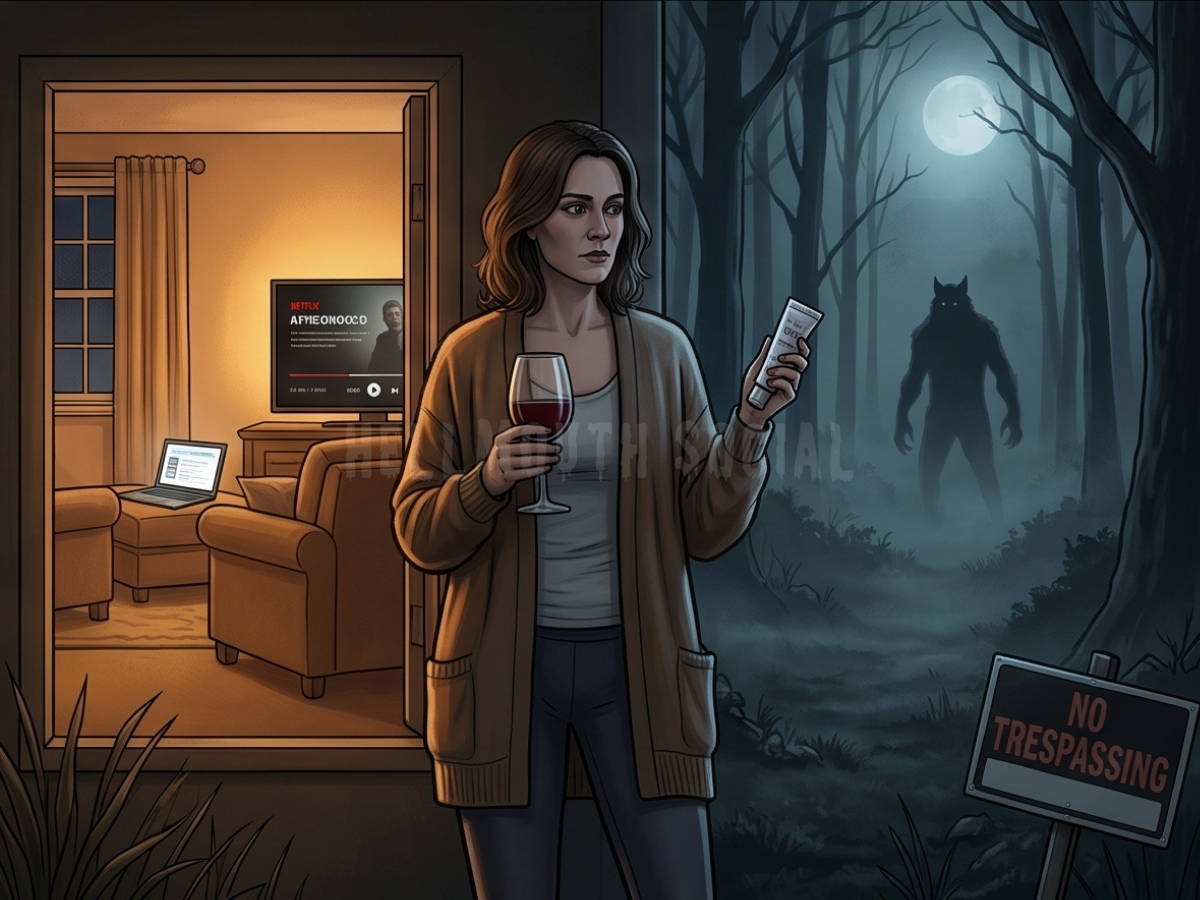
What has changed is what keeps us up at night. We've migrated from fearing the monster in the woods to lying awake doing mental arithmetic about variable interest rates. The Angel's miraculous mystery has been replaced by the thoroughly unromantic transparency of a Google search that takes four seconds and removes all narrative tension from the situation. We have traded atmosphere for information and are not entirely sure we got the better end of that deal.
So here's the recommendation, delivered with full sincerity: dig out your best eye cream, pour something that didn't come out of a cardboard box — though no judgment if it did, we're all doing what we can — and give this episode another hour of your time. It's messy and bloody and occasionally so self-serious it folds back around into endearing. Much like our thirties, in that respect. We got through those too.
Just don't let it inspire any late-night woodland excursions. The knees are not what they were, the terrain in rural Pennsylvania is genuinely uneven, and werewolves have shown a consistent historical disregard for posted signage.
One last thought, offered freely: is it just this show, or does every small town in Pennsylvania look like it's perpetually forty-eight hours away from a full supernatural incident? Asking for a friend. The friend is me. I've looked at a lot of maps.