Custom
AI-Generated Designs for Creators Who Sell
Order custom t-shirt art, wall prints, clipart sets, and more — all tailored to your exact style!
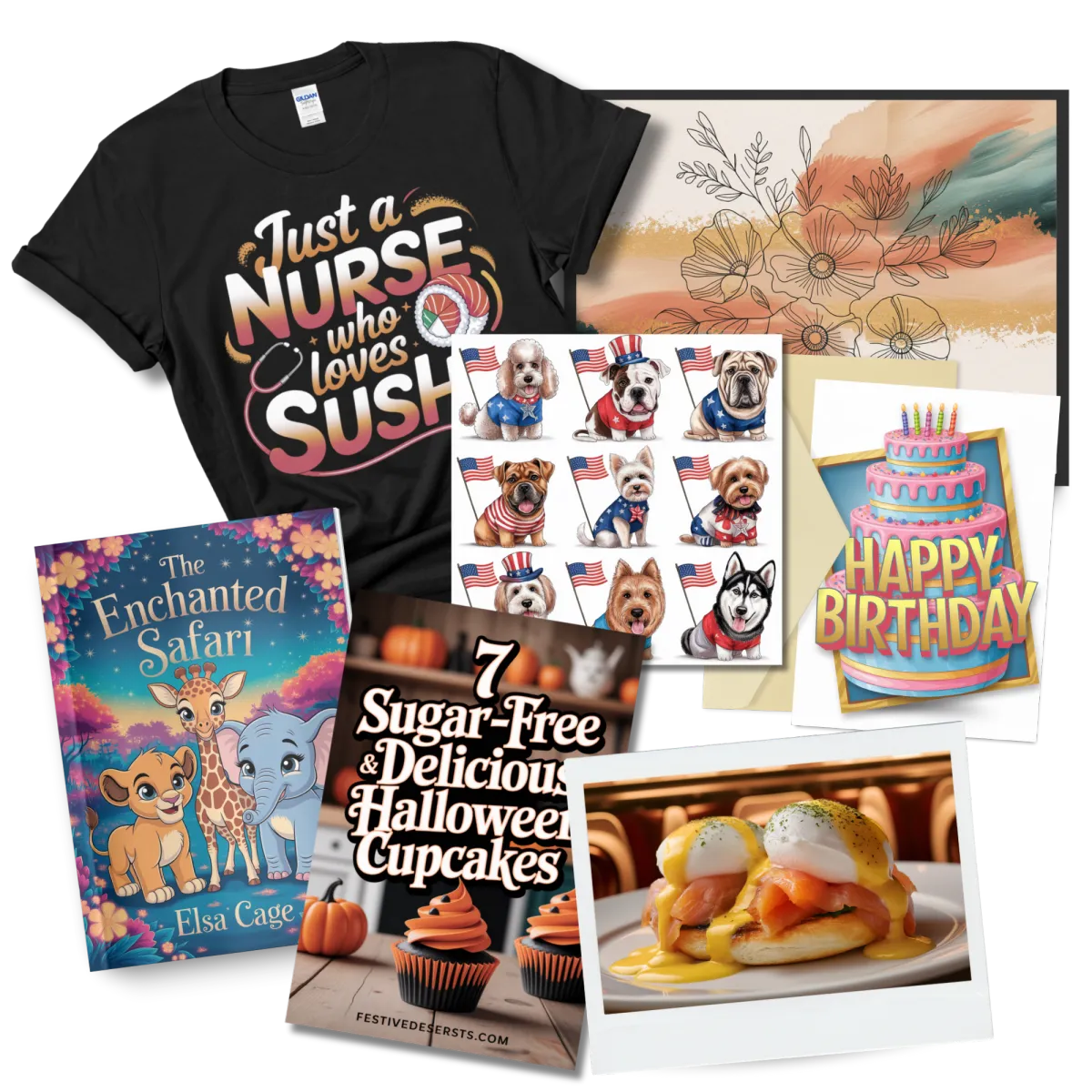

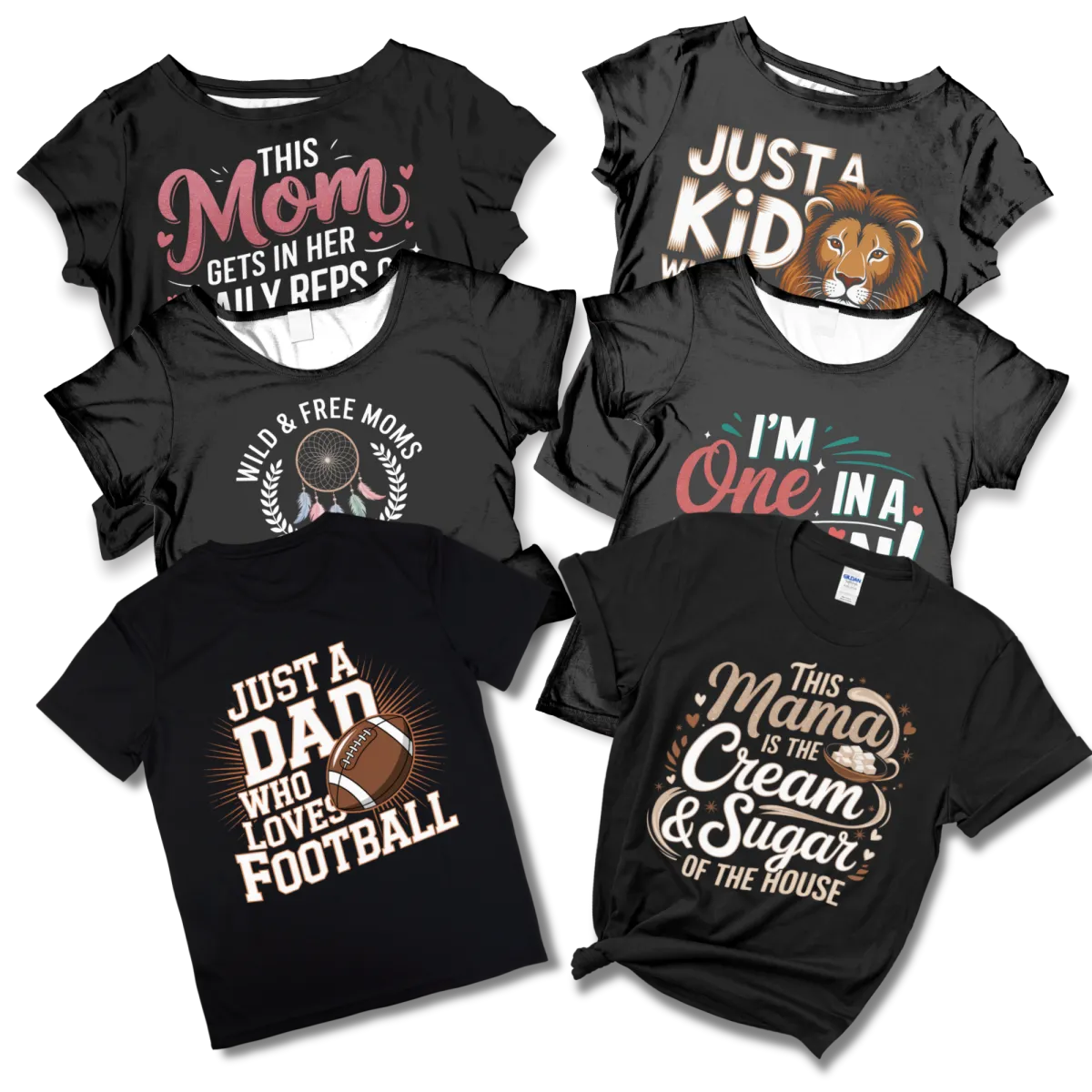
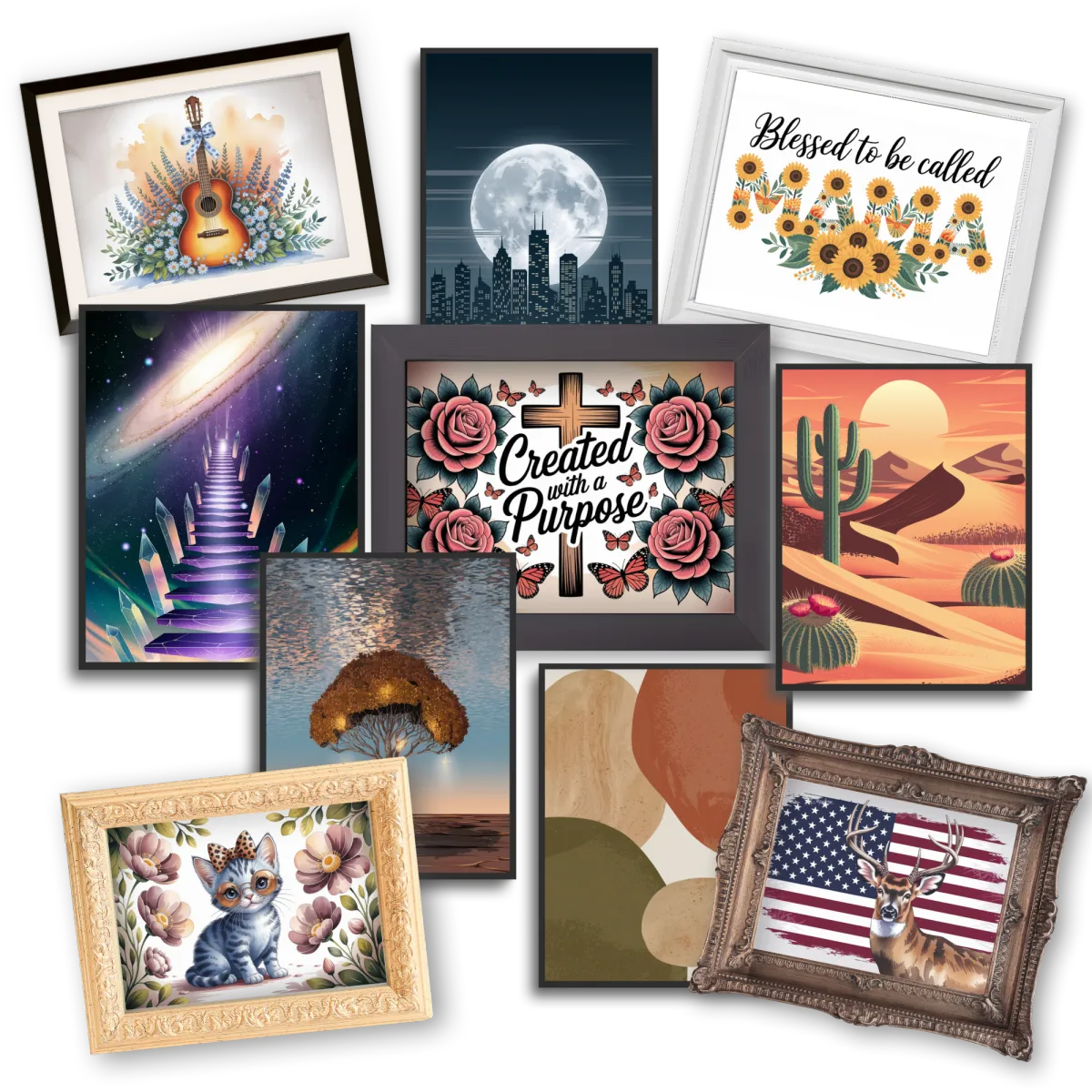
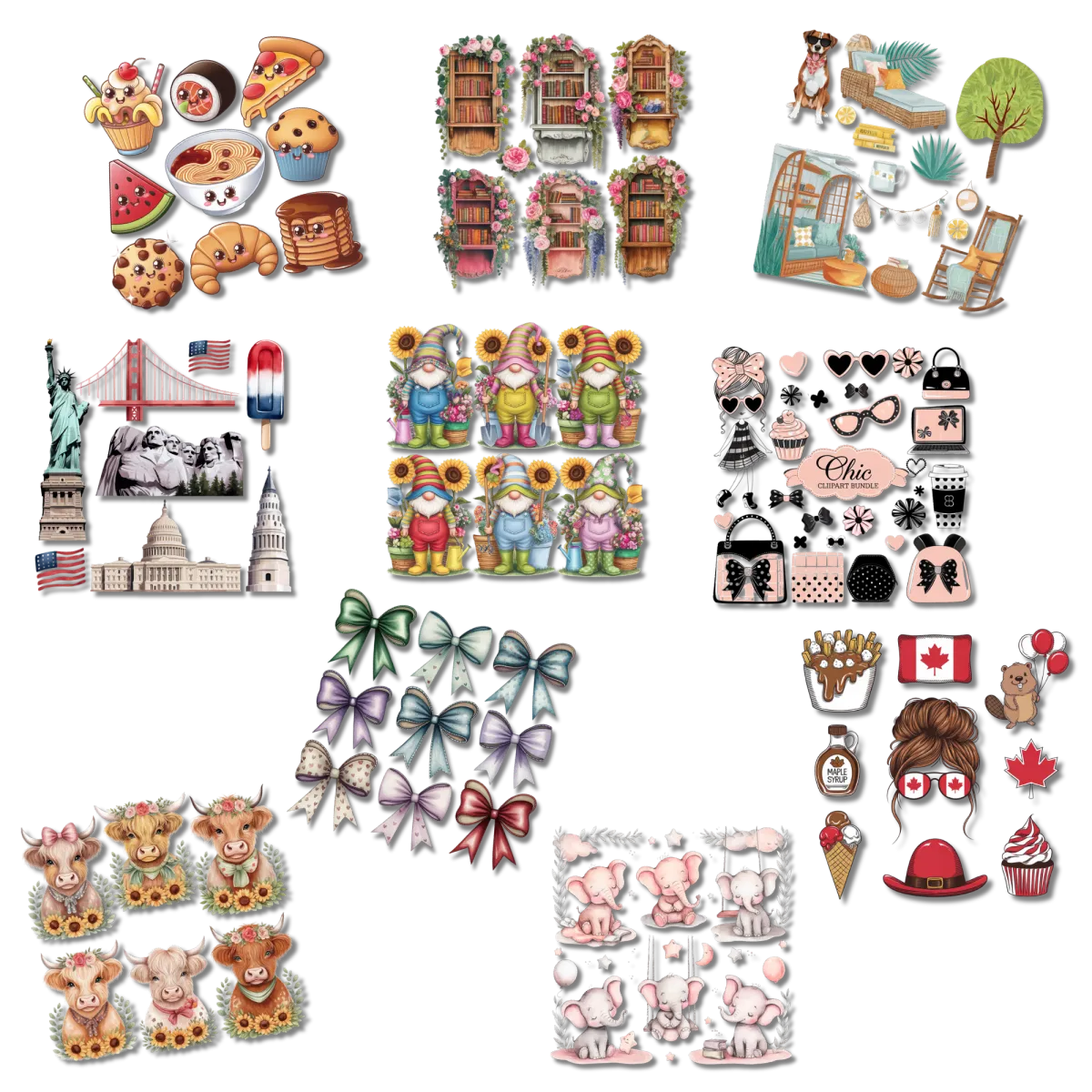
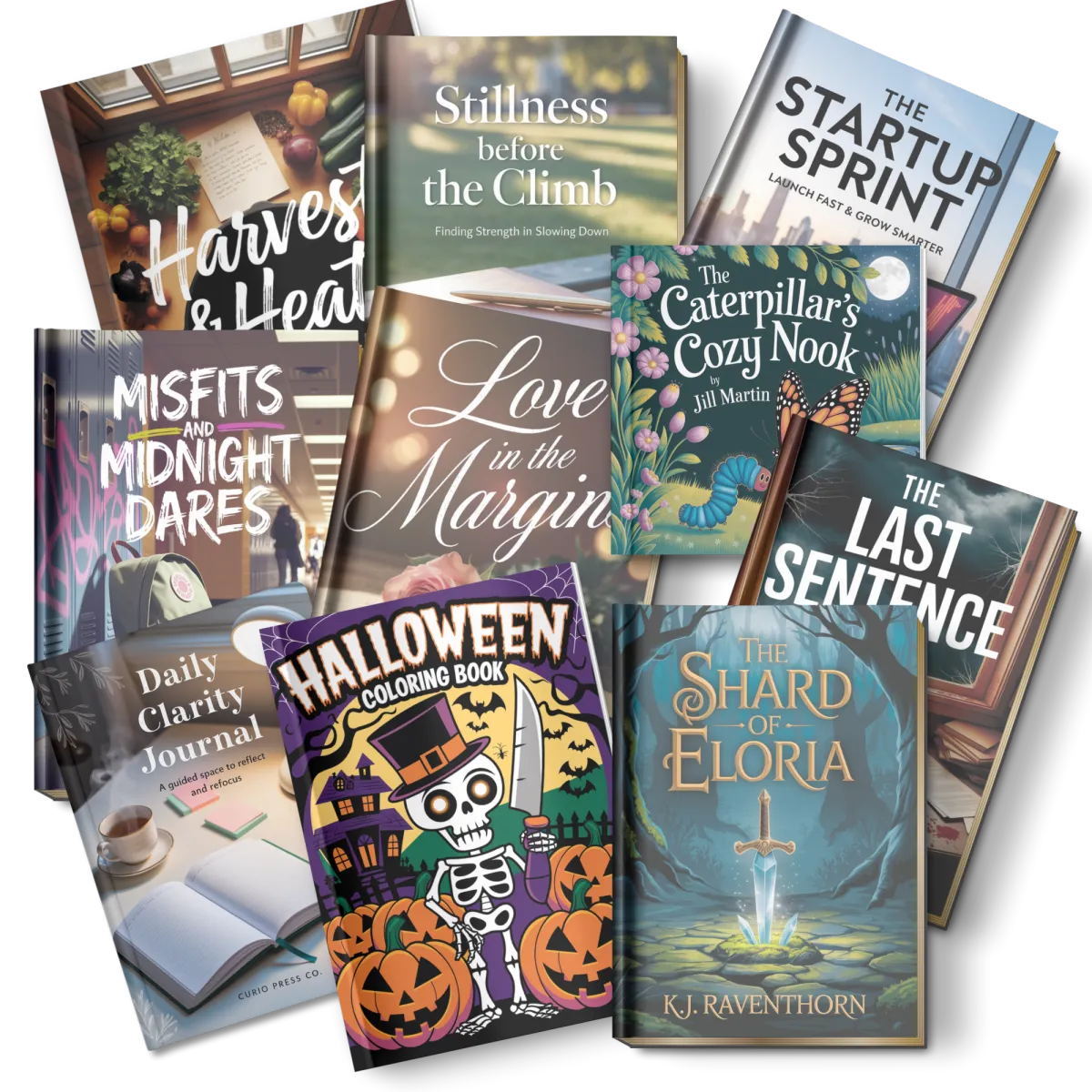
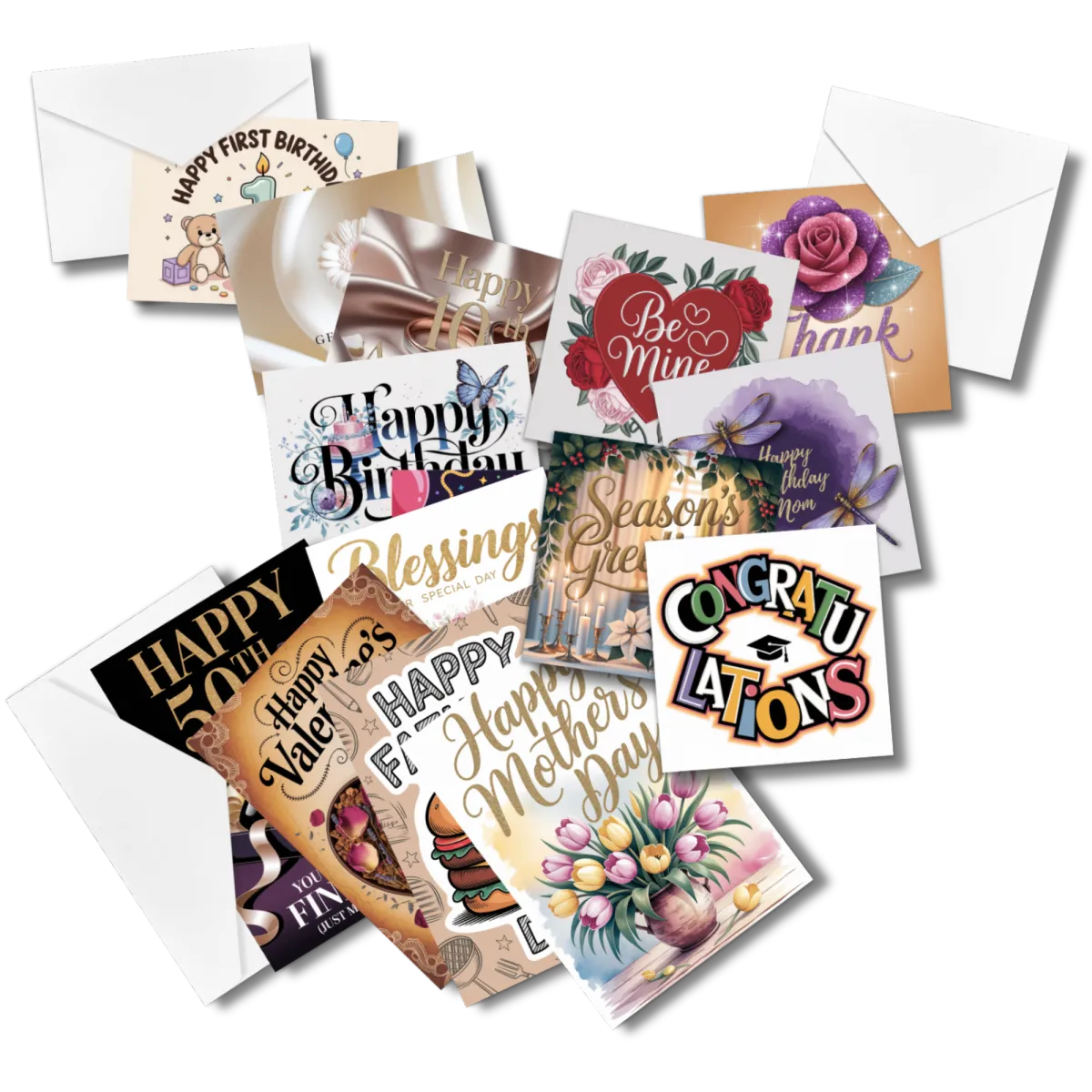
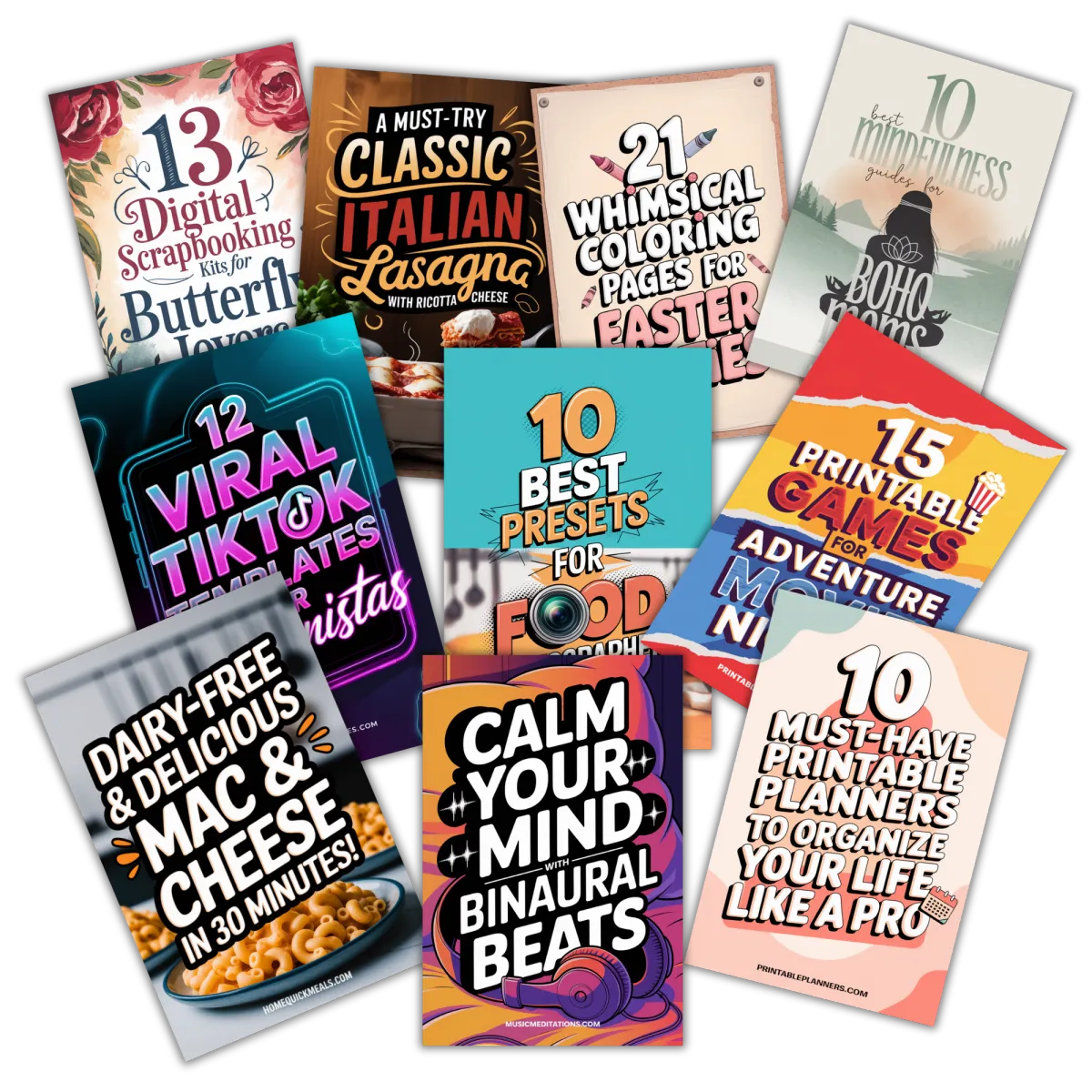
In need of stunning images for your next project?
Let me help you by crafting accurate prompts to generate amazing quality outputs using Ideogram — no guesswork, no fluff. Whether you need bold t-shirt designs, cute clipart sets, moody book covers, or scroll-stopping Pinterest pins, I’ll handle the creative direction so you can focus on what you do best: creating, selling, and growing your brand. Pick your image type below, fill out a quick form, and I’ll take care of the visuals.
Hello There!
Hey, I’m Asha — your AI design whisperer! Fueled by caffeine and Ideogram, I use custom prompts and creative strategy to turn everyday ideas into scroll-stopping designs for shirts, prints, pins, and more. No fluff. No filler. Just clean, custom visuals you can actually use commercially.
Want a closer look at my design style?
I've built an impressive gallery of designs that should give you an idea as to the type of images I can create for you - especially for black colored apparel. Hit that button below and explore my public profile on Ideogram.

Custom AI-generated images made simple
How the Process Works

Step 1
Choose your design type + fill out a form.

Step 2
Pay 50% deposit and I get to work.

Step 3
Pay for the completed work and get your final files.
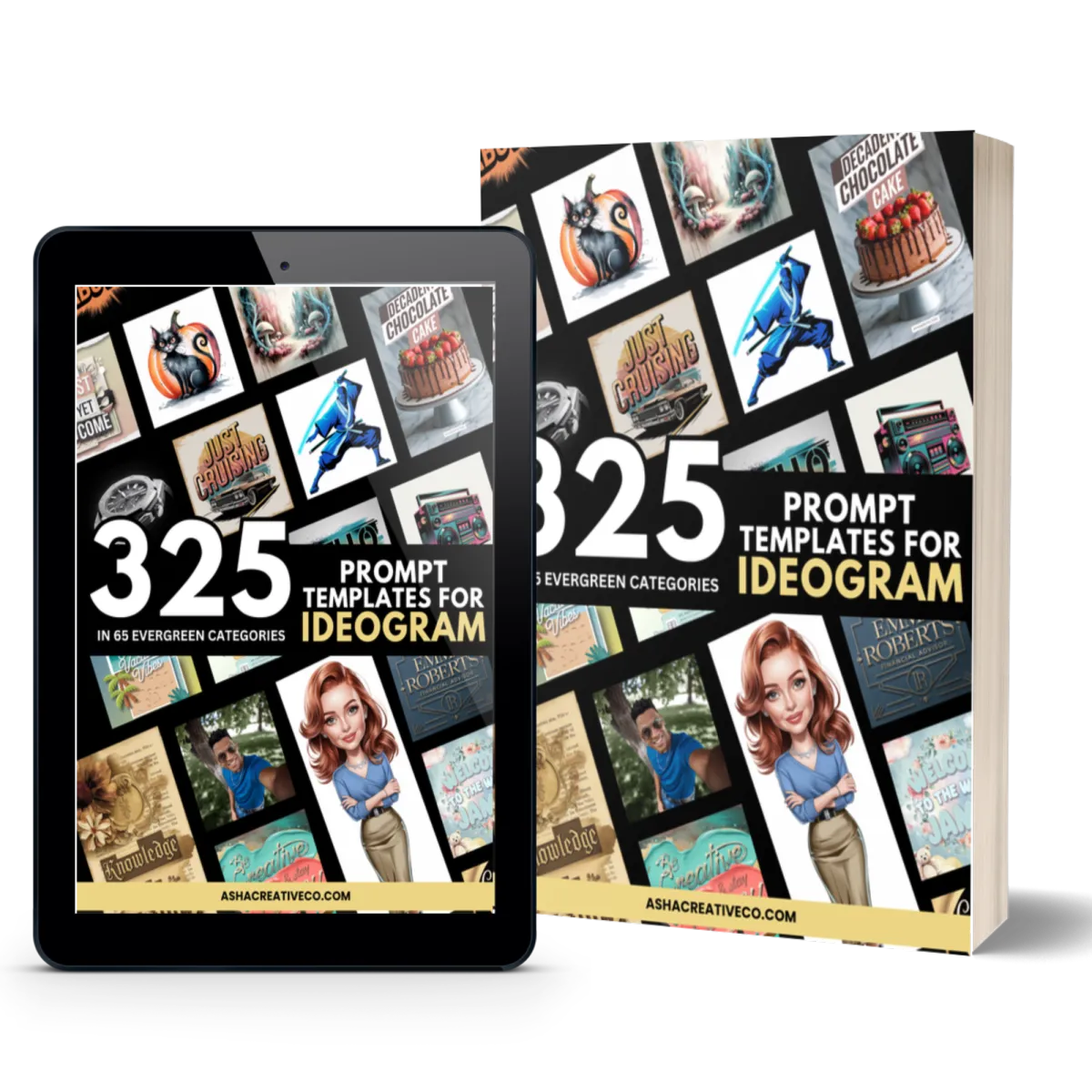
Want to Create Your Own Designs Like I Do?
Grab my exact prompt system and start designing with confidence in Ideogram.
Latest from the Blog
Rental Agreements and Existential Dread: A Xennial Post-Mortem
If you’re a Xennial like me, your early 30s were likely defined by two things: an unhealthy obsession with artisanal cupcakes and the crushing realization that "adulting" was a scam sold to us by people who could still afford houses. Back in 2011, while we were busy debating if we were "Team Edward" or "Team Jacob" (spoiler: we were actually Team Health Insurance), a little show called Being Human dropped.
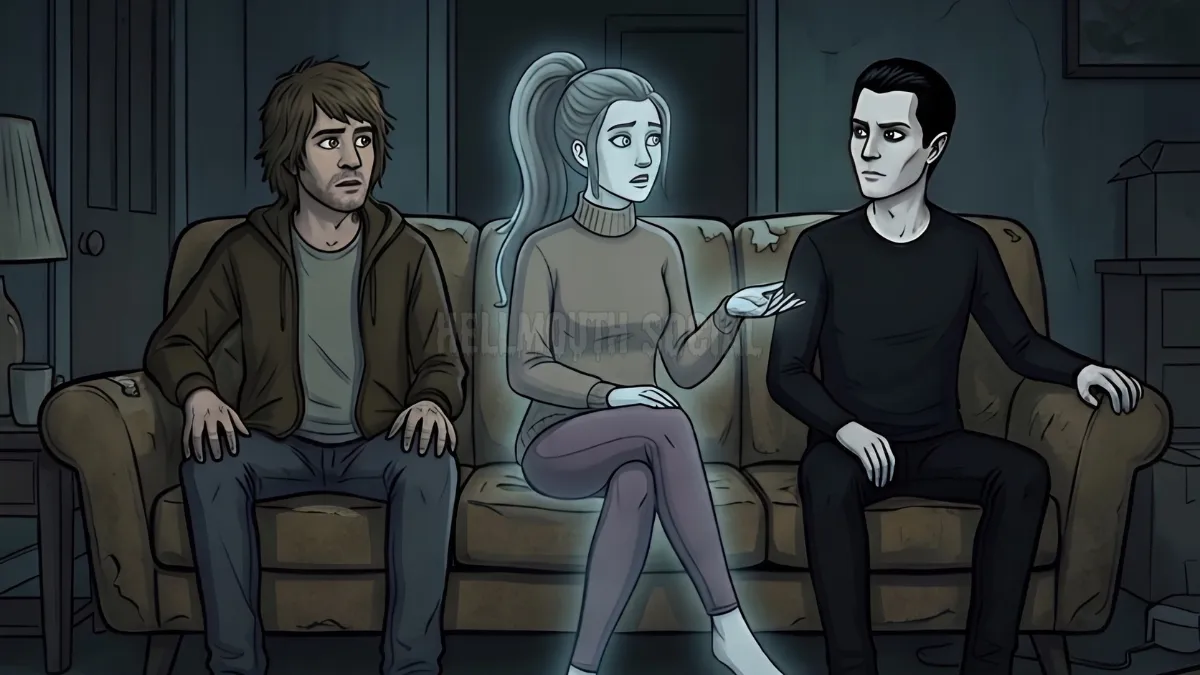
I recently re-watched the pilot, "There Goes the Neighborhood", and let me tell you, nothing highlights the gap between our scrappy New Girl era and our current "I have a favorite brand of dishwasher pods" era quite like a ghost, a werewolf, and a vampire trying to share a kitchen.
Remember the premise? A vampire who works as a nurse (ironic, right?), a werewolf who’s basically a walking panic attack, and a ghost who’s stuck in the house she died in because she didn't get the "move toward the light" memo. It’s the ultimate 2011 roommate comedy, except instead of someone stealing your almond milk, someone might accidentally eat the neighbor.
The Co-Living Crisis: From "Found Family" to "Get Off My Lawn"
Back when this episode aired, the "Found Family" trope was our generation's psychological security blanket. Sociologically speaking, we were witnessing the rise of Emerging Adulthood, a phase where the traditional markers of maturity — marriage, mortgage, kids — were being delayed in favor of intentional community. In the pilot, Aidan and Josh move into a house to try and pass as "normal". In 2011, "normal" meant having roommates well into your 30s because the economy was a dumpster fire.
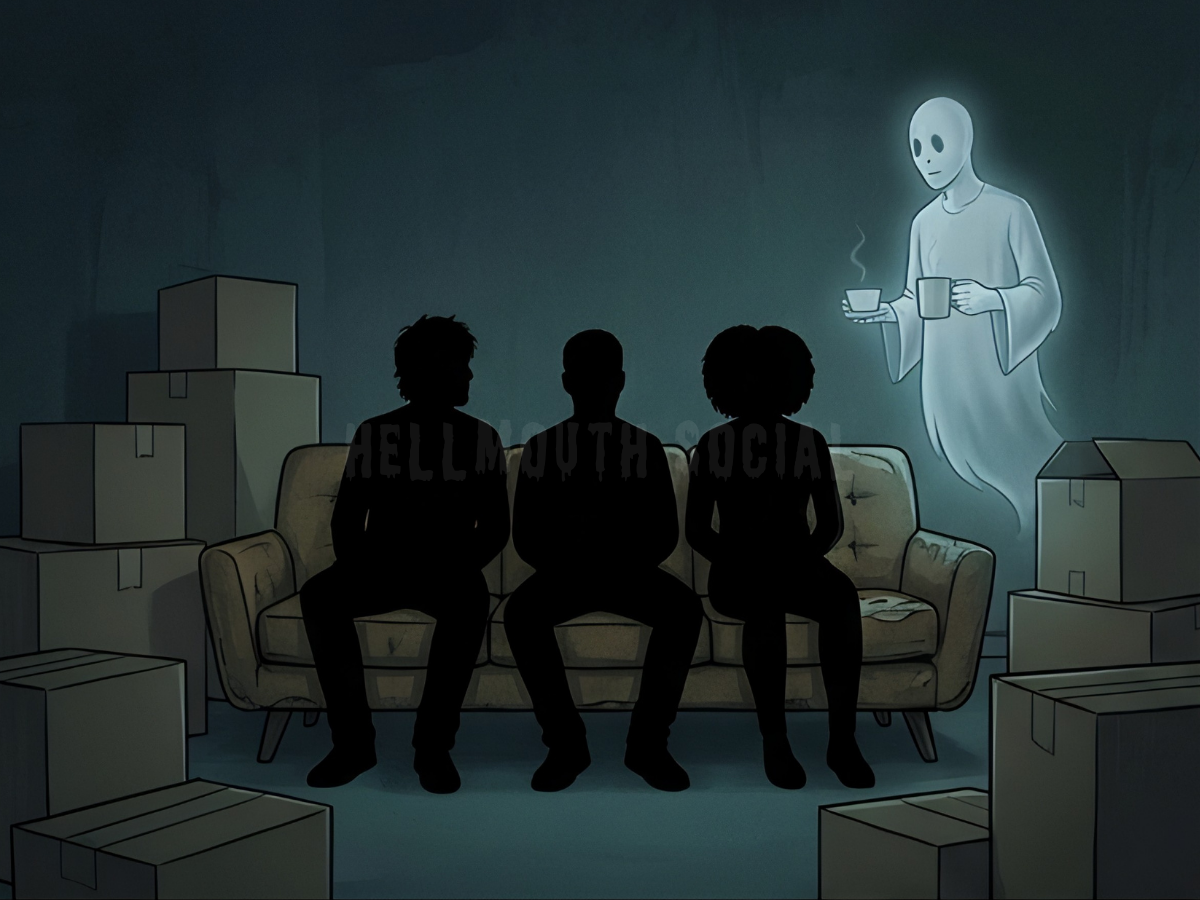
Today, looking back through our 40-something lenses, their desire for a shared living space feels less like a choice and more like a fever dream. While Josh and Aidan are romanticizing the idea of a "fresh start" in a creepy rental, those of us in 2026 are just wondering if they checked the HVAC system or if the lead paint disclosure was signed. The pilot highlights that desperate Xennial need to belong, even if your roommates are literally monsters.
We were the generation that invented the "roommate agreement" as a form of social contract, attempting to civilize the chaos of our delayed transitions. Now, we just want a quiet house where the only ghost is the one who didn't return our texts in 1999.
The Professional Mask: If My Coworkers Only Knew
Aidan and Josh work at a hospital, which is the perfect sociological stage for Impression Management. In the pilot, they are working overtime to perform "humanness". Aidan, the vampire, is trying to be the good guy nurse while surrounded by his literal food source. It’s the ultimate metaphor for the Xennial workplace experience.
We were the last generation to remember life before LinkedIn took over our souls, yet we were the first to have to curate a "professional persona" that masked our internal existential crises.
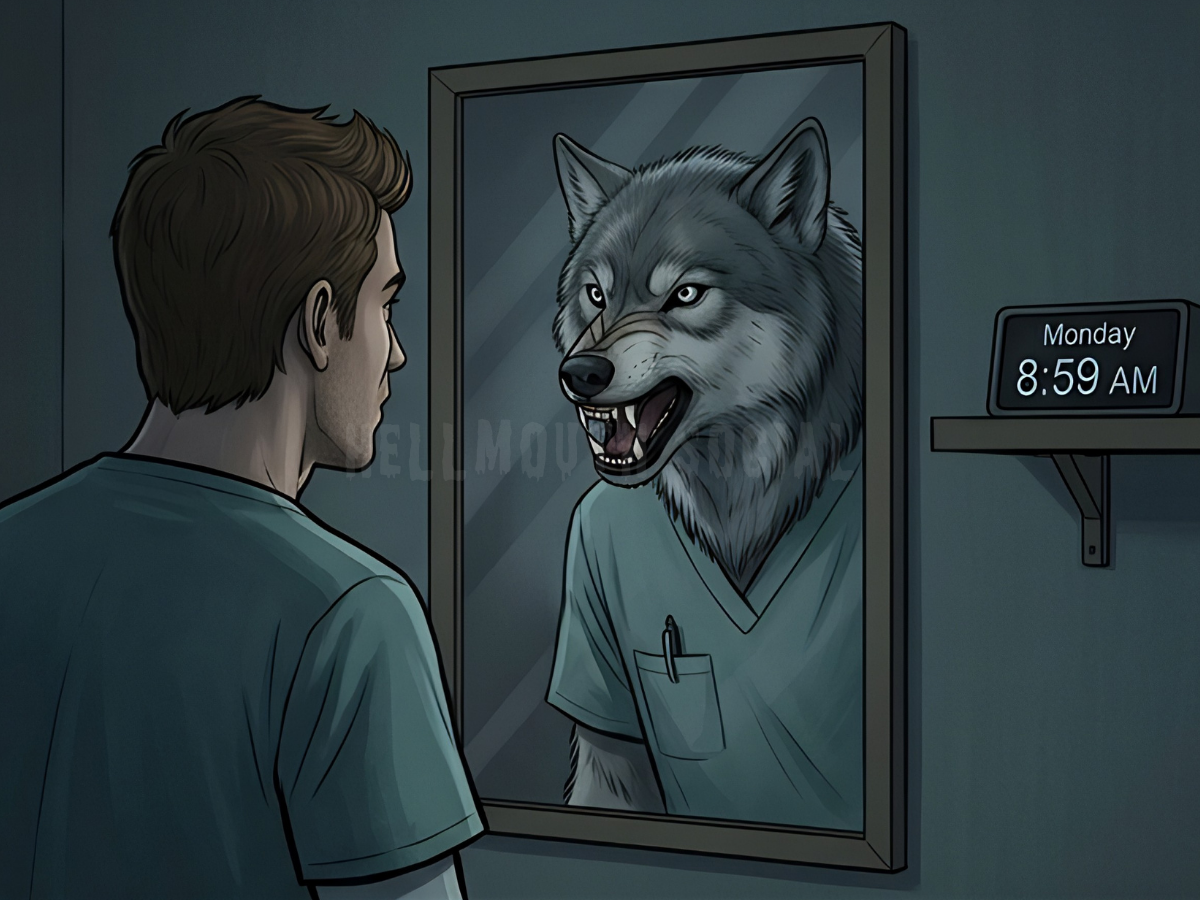
Watching Aidan struggle with his cravings while dealing with hospital bureaucracy is basically just a 2011 version of trying to survive a Zoom call while your toddler is screaming and your student loans are looming. We’ve always been the "bridge" generation — we can code a website but we still prefer a paper planner. We’re experts at the "mask".
The pilot captures that exhausting effort of trying to fit into a societal mold that wasn't designed for us. In 2011, we thought we could change the system from the inside; in 2026, we’re just hoping the system doesn’t crash while we’re trying to order grocery delivery.
The Domestic Ghost: The Original "Stay-at-Home" Influencer
Then there’s Sally. Oh, Sally. The ghost who can’t leave her house. If Sally were around today, she wouldn’t be haunting the water pipes; she’d be a TikTok sensation with 5 million followers for her "Haunted Home Aesthetic". But in the pilot, she represents the Gendered Domestic Sphere and the isolation of being unseen. She’s trapped in the domestic space, literally unable to interact with the world unless she’s being "perceived" by her supernatural roommates.
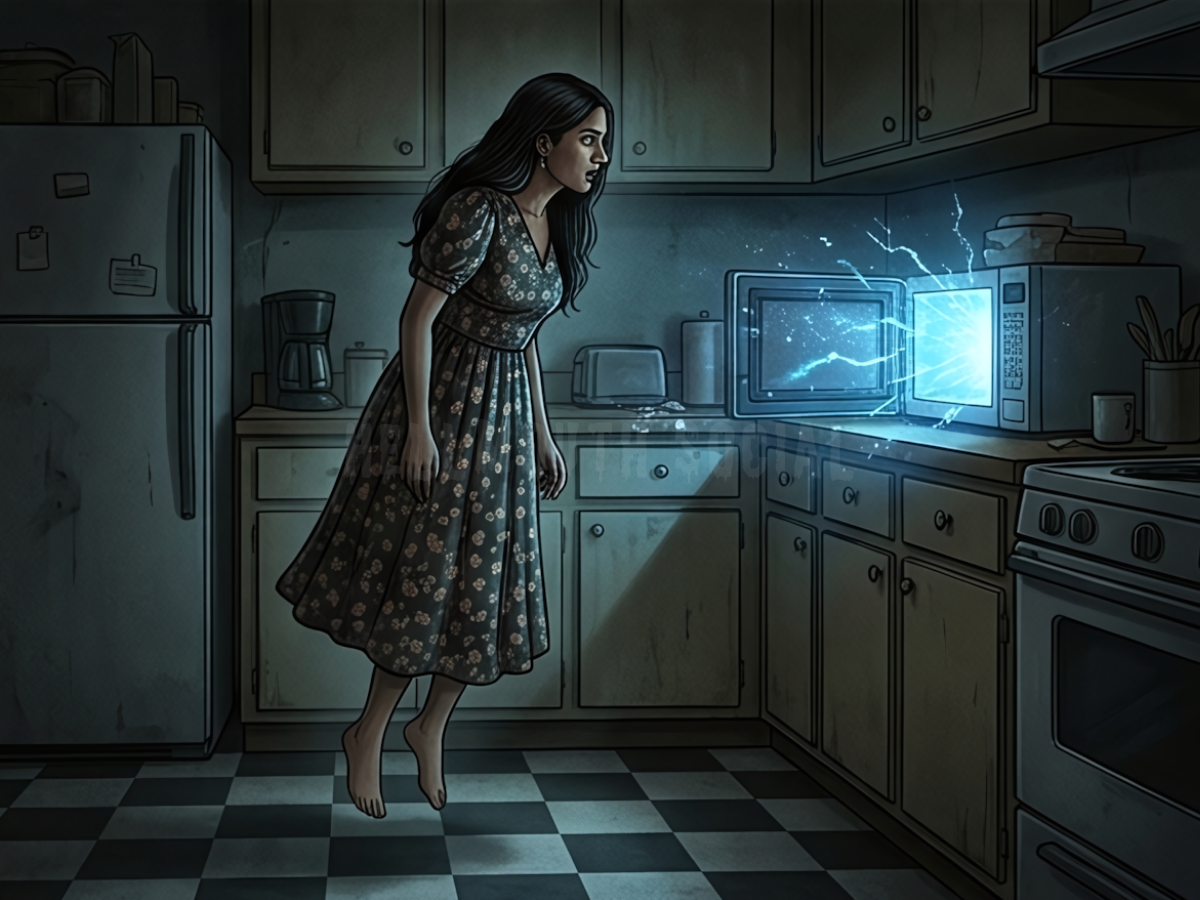
For us Xennials, Sally’s predicament hits different now. We’ve spent the last few years oscillating between being trapped in our homes (thanks, global events) and feeling invisible in a youth-obsessed culture. Sally’s struggle to regain her agency within the home mirrors the way many Xennial women feel as they navigate the "sandwich generation" years — taking care of everyone else while feeling like a spectral presence in their own lives.
In 2011, Sally was a tragic figure; in 2026, she’s basically an avatar for anyone who has ever felt like they’re shouting into the void of an empty nest or a crowded office.
The Final Walk-Through: Why We’re Still Haunted by the 2010s
Looking back at "There Goes the Neighborhood", it’s clear that Being Human was about the monstrous effort required to be a functional member of society during a time of massive cultural shift. We were transitioning from the analog world to the digital one, from the "American Dream" to the "Shared Economy", and from "being young" to "being... well, whatever we are now."
The pilot reminds us that whether you're a vampire or just in your 40s with a back ache, the struggle to find your "tribe" and maintain your sanity is universal. We’re all just trying to keep the wolf at the bay — or in Josh’s case, the wolf in the basement.
Tell me, did you ever have a roommate situation that made living with a vampire look like a spa retreat?