
Custom
AI-Generated Designs for Creators Who Sell
Order custom t-shirt art, wall prints, clipart sets, and more — all tailored to your exact style!




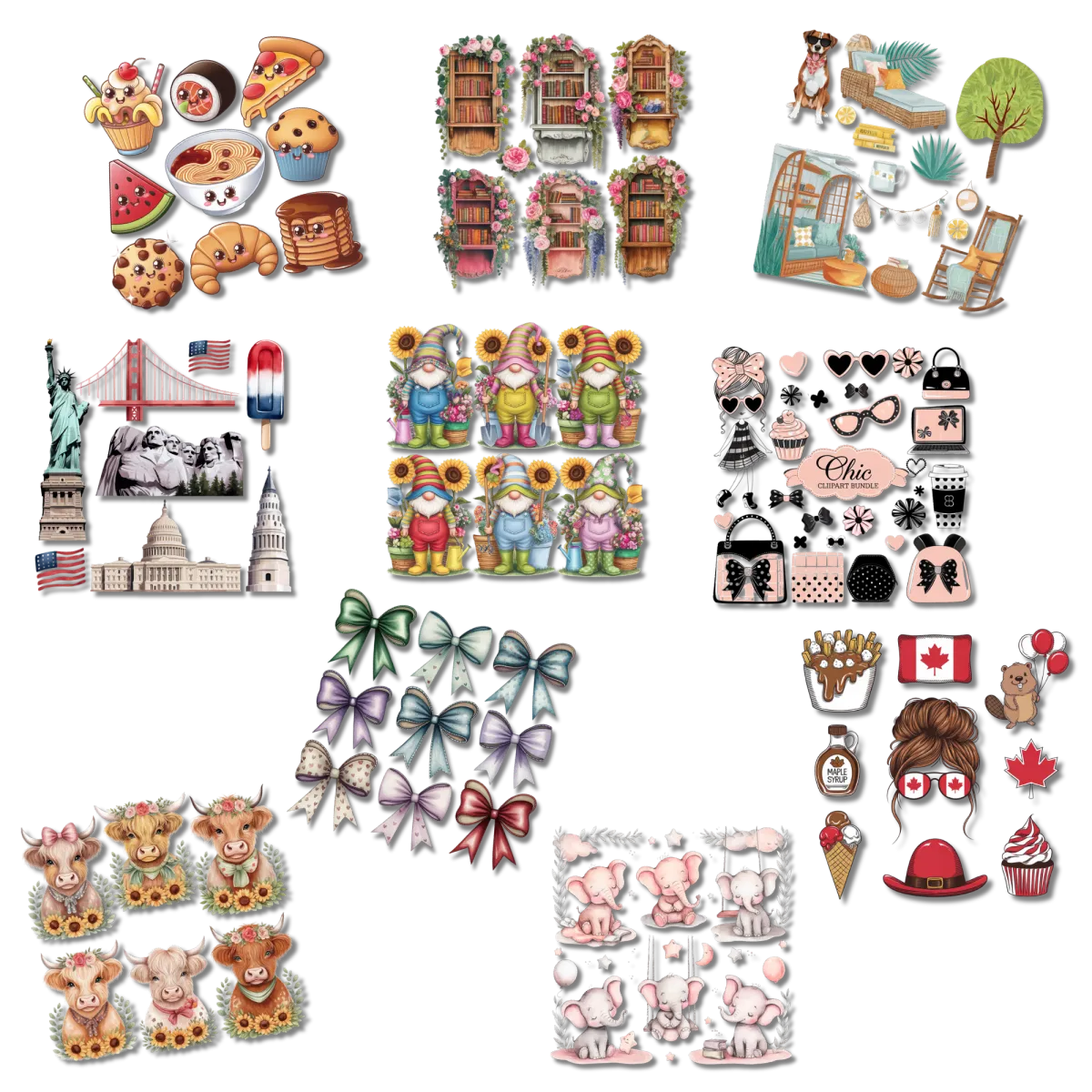
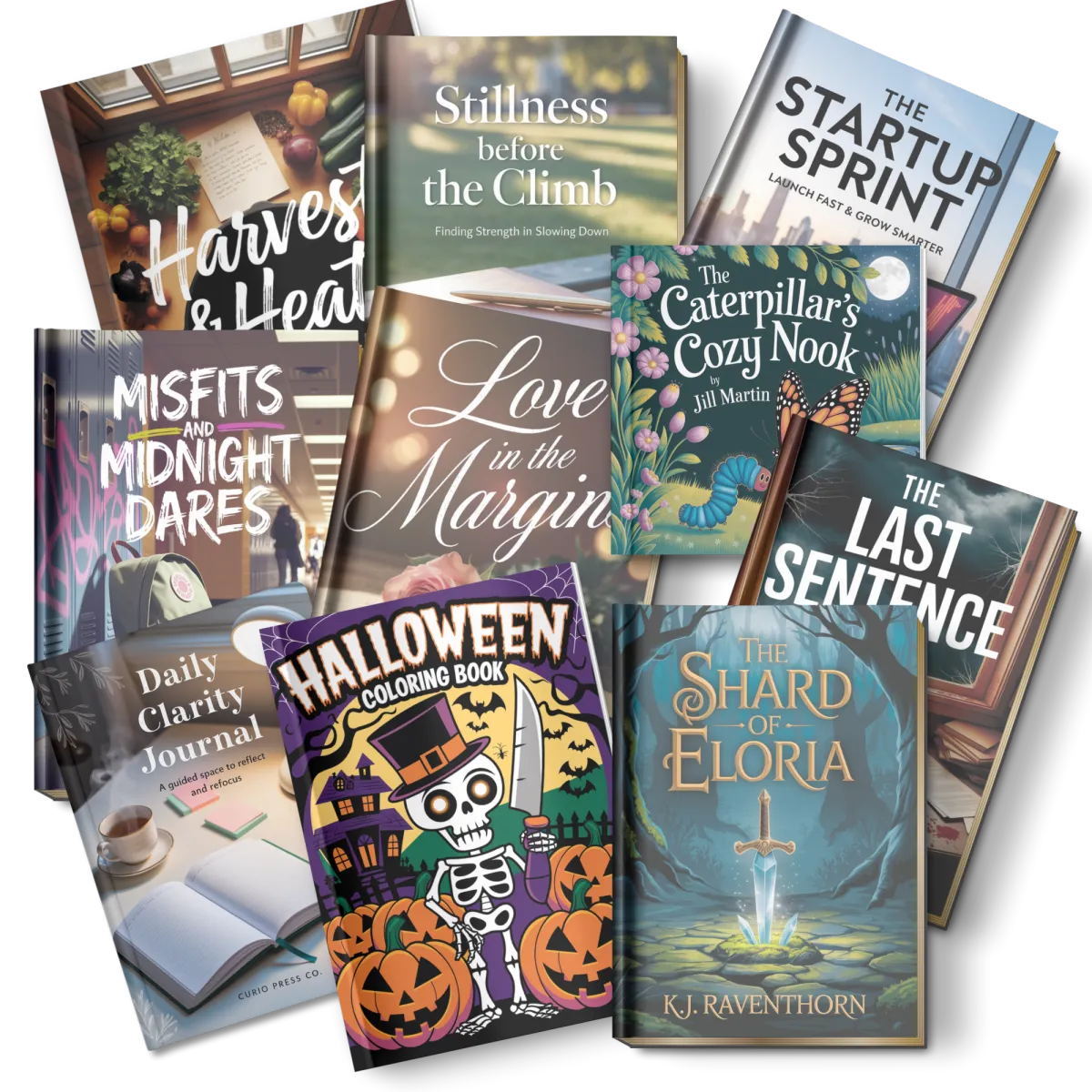

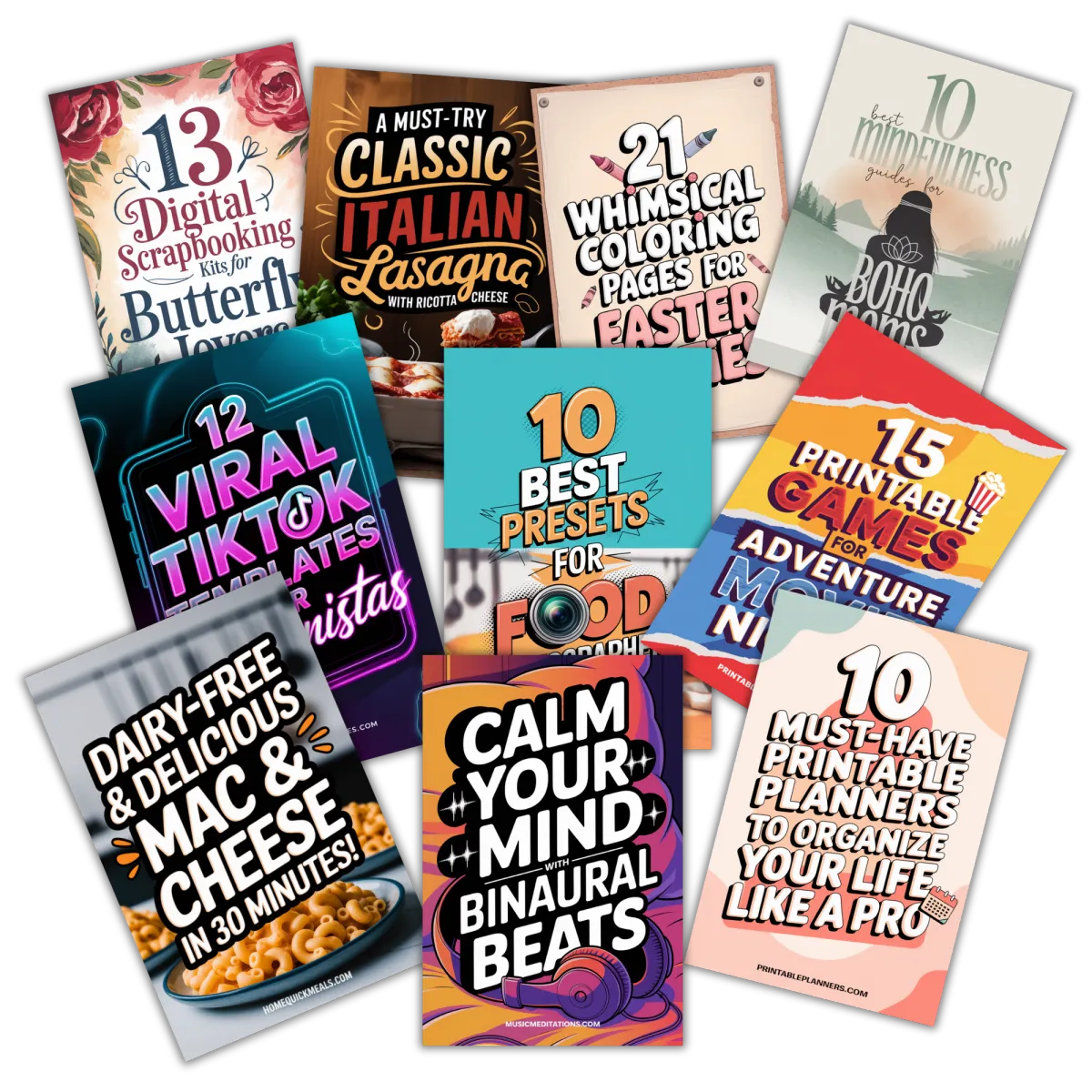
In need of stunning images for your next project?
Let me help you by crafting accurate prompts to generate amazing quality outputs using Ideogram — no guesswork, no fluff. Whether you need bold t-shirt designs, cute clipart sets, moody book covers, or scroll-stopping Pinterest pins, I’ll handle the creative direction so you can focus on what you do best: creating, selling, and growing your brand. Pick your image type below, fill out a quick form, and I’ll take care of the visuals.
Hello There!
Hey, I’m Asha — your AI design whisperer! Fueled by caffeine and Ideogram, I use custom prompts and creative strategy to turn everyday ideas into scroll-stopping designs for shirts, prints, pins, and more. No fluff. No filler. Just clean, custom visuals you can actually use commercially.

Want a closer look at my design style?
I've built an impressive gallery of designs that should give you an idea as to the type of images I can create for you - especially for black colored apparel. Hit that button below and explore my public profile on Ideogram.

Custom AI-generated images made simple
How the Process Works

Step 1
Choose your design type + fill out a form.

Step 2
Pay 50% deposit and I get to work.

Step 3
Pay for the completed work and get your final files.
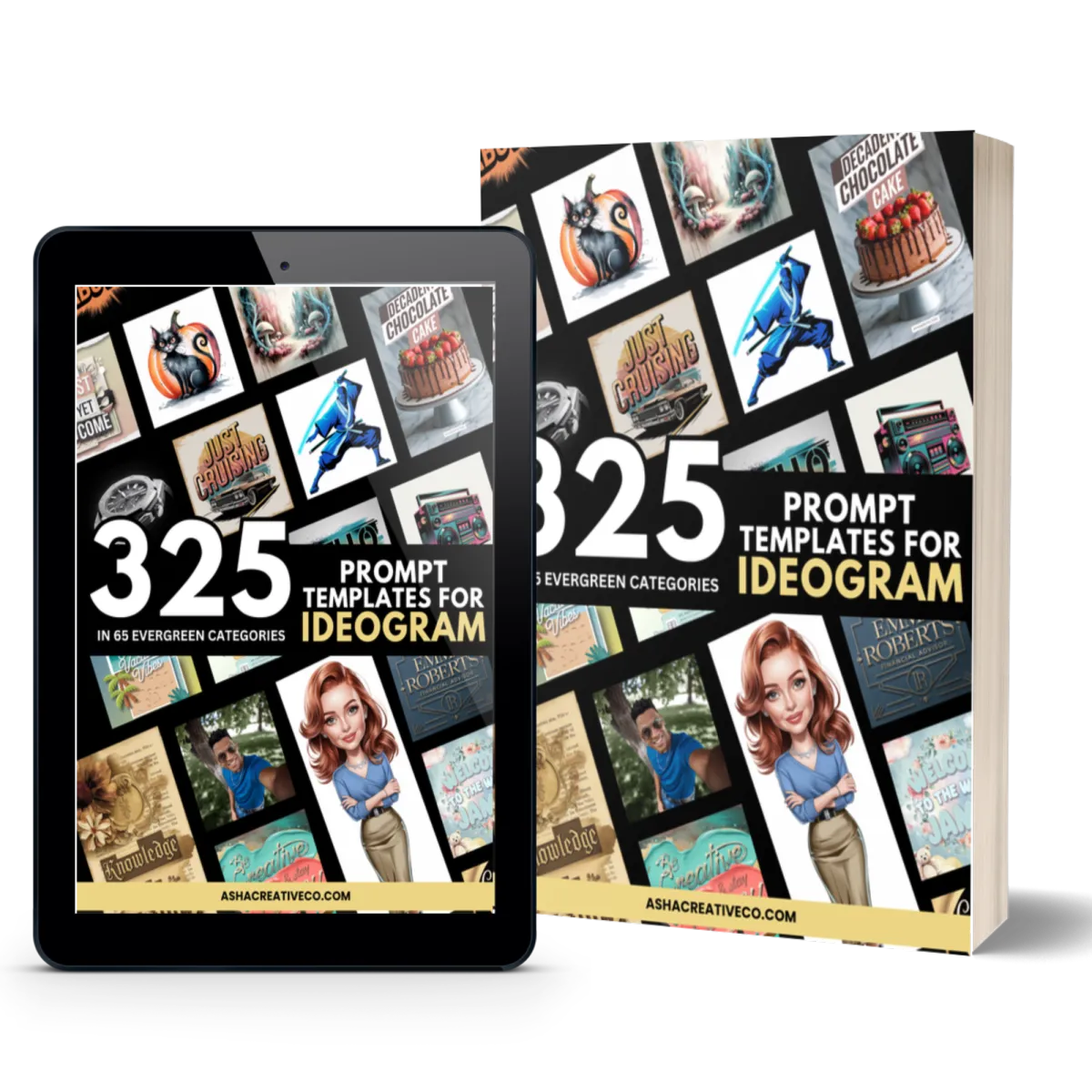
Want to Create Your Own Designs Like I Do?
Grab my exact prompt system and start designing with confidence in Ideogram.
Latest from the Blog
The 15 Seasons of Adulthood: Which Supernatural Era Are You?
Carry on, wayward Xennial. You've got 15 years of trauma to sort through and a quiz at the end.
Here's a fun thing nobody warned us about: Supernatural premiered in September 2005 and limped, gloriously, to its grave in November 2020.
That's fifteen years.
Fifteen seasons.
A show that started when most of us were in our early-to-mid twenties — still convinced our "real life" was about to start any minute now — and ended when we were squarely middle-aged, googling "is it normal for one knee to just decide" at 11pm.
Think about that. While we were aging out of the cool-young-person demographic and into the demographic that has opinions about mattresses, two impossibly pretty men in flannel were also aging, on screen, in real time, getting more tired and more haunted and more "we found a house and now we're weird about it" right alongside us. Supernatural didn't just keep us company through our twenties and thirties. It went through them with us, slightly better lit and with significantly better hair.
So I've come to a conclusion, and you can't stop me: each season of Supernatural isn't really a season. It's a survival strategy for adulthood. And like all the best survival strategies, you don't get to pick yours. Adulthood assigns it to you, usually around 2am, usually right after you've made a financial decision you can't undo.
We're going to walk through all fifteen — every single doomed, soulless, salt-flinging year — and I've grouped them into the four eras the show actually had, because a fifteen-item list reads like a CVS receipt and I respect you too much for that. Each era is a type. By the end you'll know which one adulthood turned you into.
Then there's a quiz. The quiz knows things you don't. The quiz is going to tell you that you are not, in fact, the noble free-will icon you think you are, and that you are probably a Season 7 burnout in a Season 5 t-shirt. Be brave.
Driver picks the music. I'm driving. Let's go!
Era One: The Kripke Years (Seasons 1–5)
Archetype: The Kripke-Era Romantic
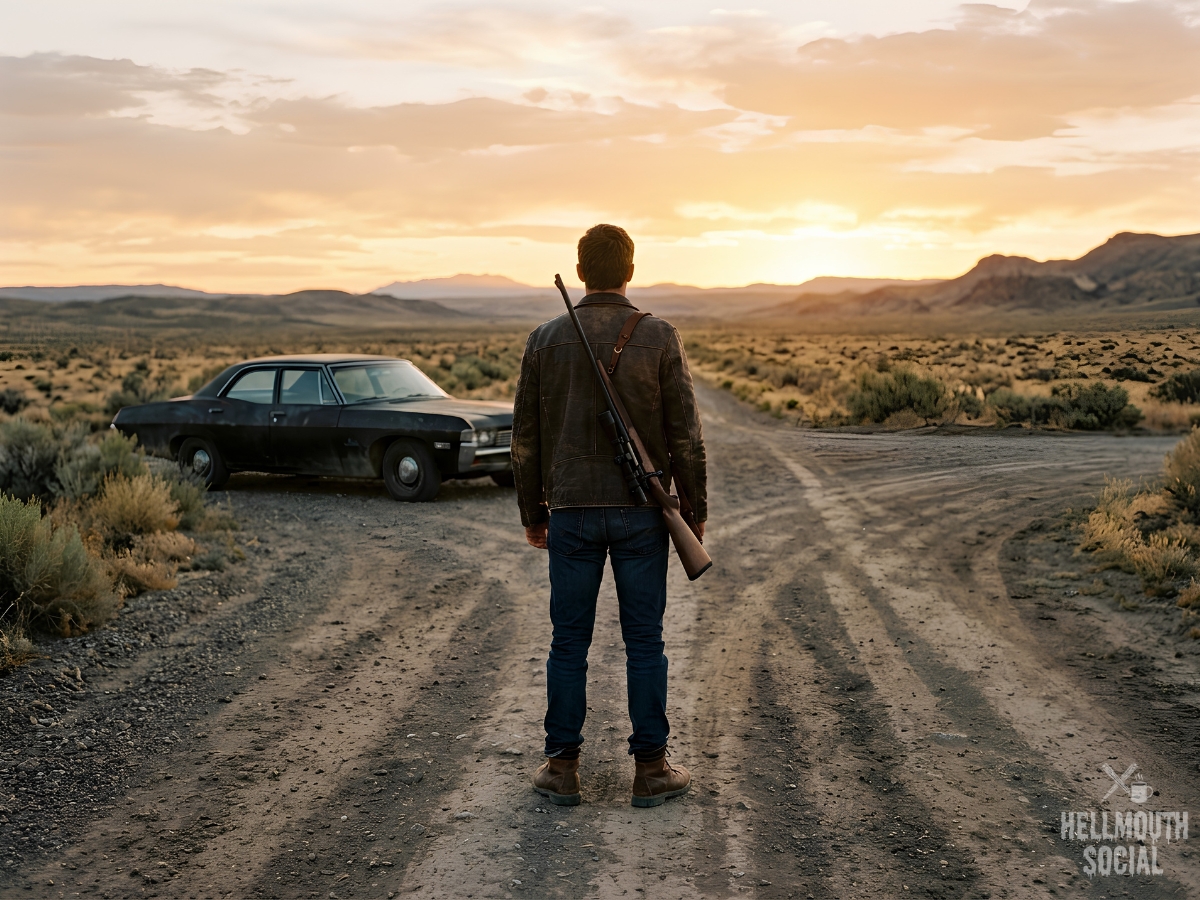
This is you in your twenties. You are beautiful, you are doomed, and you genuinely believe you can win.
These are the seasons creator Eric Kripke actually planned — a tight, five-year arc with a beginning, a middle, and an ending that meant something. They are, not coincidentally, the seasons where the show is still hopeful enough to think the story has a point. Which is exactly how your twenties felt, right up until they didn't.
Season 1 — The Reluctant Recruit. Two brothers get dragged back into "the family business" by a missing dad and a dead mom. Monster of the week, an old car, a trunk full of weapons.
👉 Adulthood translation: you swore on everything you'd never end up like your parents, and now you own a label maker and have feelings about gutter maintenance. Welcome to the family business. It's unpaid.
Season 2 — The Grief-Bargainer. John Winchester dies in the first episode after literally selling his soul to save Dean, and the boys spend the year drowning in inheritance and guilt.
👉 Adulthood translation: a parent is gone, you are now the de facto estate executor, and you would do absolutely anything — sign anything, owe anyone — to make the bad feeling stop.
Spoiler: the bad feeling does not stop. It just learns your name.
Season 3 — The Borrowed-Time Hedonist. Dean has exactly one year to live thanks to a deal, so he spends it eating pie, picking fights, and refusing to discuss his feelings.
👉 Adulthood translation: this is YOLO before YOLO had a hashtag and a financial planner telling you to stop. You booked the trip you can't afford. You bought the boots. Live fast, die in approximately fourteen episodes (thanks, writers' strike!).
Season 4 — The Newly Woke Believer. Castiel rips Dean out of Hell — "I'm the one who gripped you tight and raised you from perdition" — and suddenly there are angels, and a Heaven, and the horrifying revelation that the universe has a middle-management layer.
👉 Adulthood translation: you started therapy. You learned the word "boundaries". You discovered that the chaos you'd been living in was actually a system, and the system has a boss, and the boss has a boss, and none of them are returning your emails.
Season 5 — The Destiny Refuser. Lucifer and Michael want Sam and Dean as vessels for a pre-written apocalypse, and our boys do the most Xennial thing imaginable: they say hell nah. They refuse the assigned role. They invent Team Free Will out of two humans, a fallen angel, and a guy named Bobby.
👉 Adulthood translation: you quit the respectable career path everyone mapped out for you, and free will is now your entire personality, and your mother is "just worried, that's all". This was meant to be the series finale. It should have been. We'll talk about that later, in the same tone you use to discuss your ex.
You're a Kripke-Era Romantic if: you still believe the right grand gesture fixes things, you'd sacrifice yourself before you'd sacrifice the bit, and somewhere in your house there is a Kansas song doing emotional labor you can't articulate.
Era Two: The Wilderness Years (Seasons 6–8)
Archetype: The Wilderness Burnout

This is you in your early thirties. You are functioning. Technically. Don't poke it.
Kripke left. The story was supposed to be over and wasn't. So the show did what we all do when the original plan ends but the bills don't: it kept going, a little lost, a little soulless, trying to figure out who it was now. These seasons get dragged by fans, and I won't fully defend them, but I will say they are the most honest depiction of being thirty-three that television has ever produced.
Season 6 — The Soulless Functionary. Sam comes back from Hell without his soul and the wild part is he's fine. Efficient, even. Hunts great. Sleeps zero. Feels nothing.
👉 Adulthood translation: this is high-functioning dissociation, and everyone keeps telling you that you "really have it together". You do not have it together. You have simply stopped having the inconvenient inner life that was slowing you down. Productivity is up. The soul is in a box in Hell. Same energy as your Q3.
Season 7 — The Corporate Burnout. The villains are the Leviathans, ancient monsters who take over a corporation (SucroCorp) and try to farm humanity, and you cannot kill them, and then Bobby dies.
👉 Adulthood translation: you are fighting an enemy with an HR department. It cannot be defeated, only "escalated to your manager". You lost your Bobby — your mentor, your steady one, the person who called you an idjit with love — and you are running on fumes and gas-station coffee and spite. This is the burnout season. We've all had a Season 7. Some of us are filing one right now.
Season 8 — The Homesteader. They find the Men of Letters bunker. An actual home base. Walls. A library. A room that is yours.
👉 Adulthood translation: you bought a house (or you rent one and have developed romantic feelings about the radiator), and something in your chest unclenched that you didn't know was clenched, and now you're alarmingly invested in the thermostat being correct. Having a home base healed something in these boys. It'll do the same to you, right up until the property taxes arrive.
You're a Wilderness Burnout if: people describe you as "so strong" and you experience that as a threat, you've optimized your entire life into a system you no longer remember choosing, and the most emotional you've gotten this year was about a building.
Era Three: The Mark & The Darkness (Seasons 9–11)
Archetype: The Shadow-Wrestler
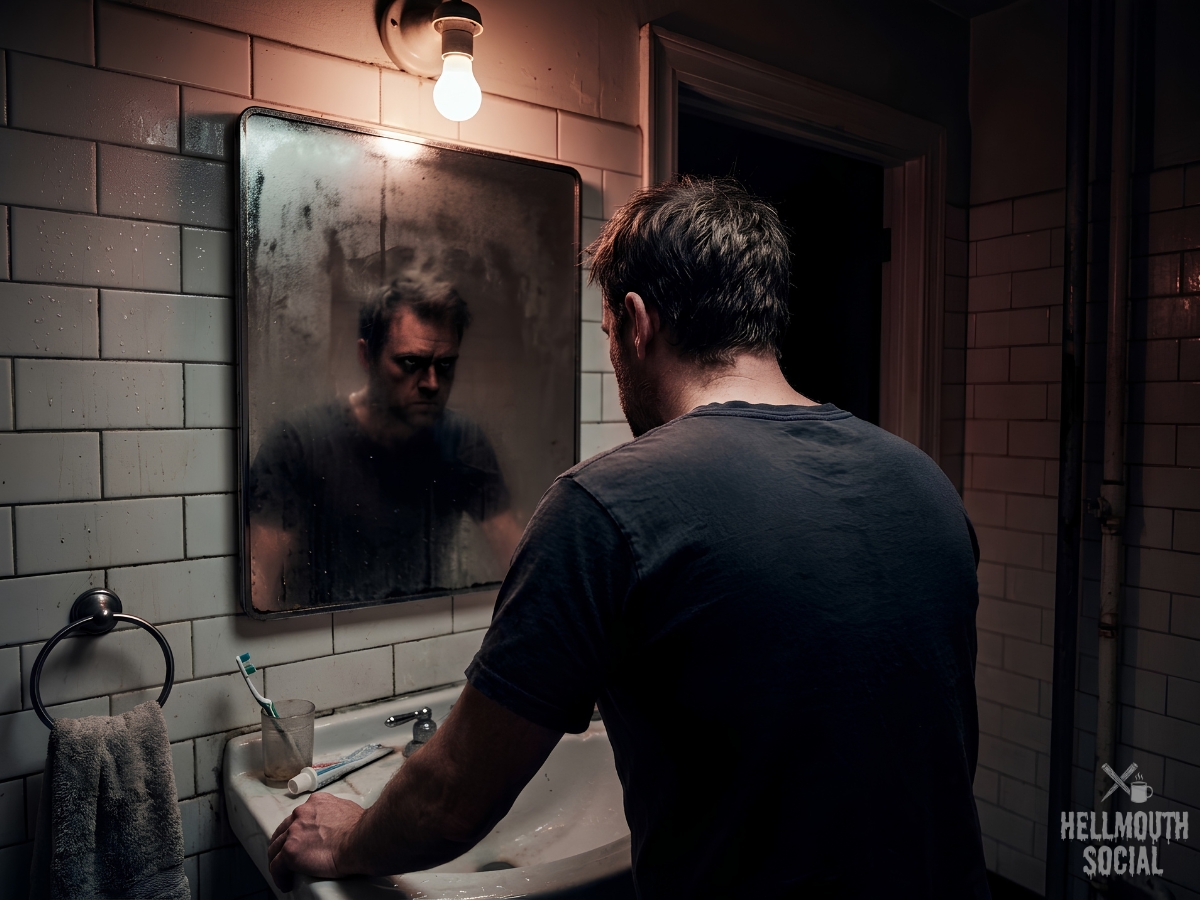
This is you in your mid-thirties. The call is coming from inside the house, and the house is your own personality.
The threats in these seasons stop being out there and start being in here. The boys aren't fighting monsters so much as fighting what they're willing to become to win. Which, frankly, is the entire emotional curriculum of your mid-thirties: discovering your darkest tendencies, naming them, and then having to live with the ones you can't evict.
Season 9 — The Desperate Bargainer. Dean takes on the Mark of Cain because it gives him the power to kill Abaddon, and we all know how taking on a cursed source of power "just this once for a good reason" works out.
👉 Adulthood translation: you accepted the promotion / the loan / the favor with the terrifying strings attached because in the moment it solved the urgent thing. The urgent thing is solved. The strings are now a personality. Short-term fix, long-term invoice — the official Winchester family financial philosophy.
Season 10 — The Shadow-Wrestler. The Mark slowly turns Dean into something he can't control, and the whole season is him white-knuckling his own rage.
👉 Adulthood translation: you and your temper are in couples counseling. You've named your inner darkness, you've maybe given it a journal, and on a good day you manage it and on a bad day it manages you and snaps at a barista.
The Mark isn't a curse. It's just unprocessed anger with a backstory.
Season 11 — The Family Mediator. The big bad is the Darkness, also known as Amara, also known as God's estranged sister, and the season's climax is essentially couples therapy for the two oldest beings in existence.
👉 Adulthood translation: you are now the person managing everyone else's family drama in the group chat. You've brokered peace between people who do not deserve your diplomacy. You reconciled a parent and a sibling who should be reconciling themselves. You are exhausted and weirdly good at it and nobody's thanked you.
You're a Shadow-Wrestler if: your villain origin story is just "tired and unsupported", you've done genuine work on yourself and resent that the work is never done, and you're the one holding the whole family's peace treaty together with your bare, exhausted hands.
Era Four: The Found-Family Years (Seasons 12–15)
Archetype: The Found-Family Lifer
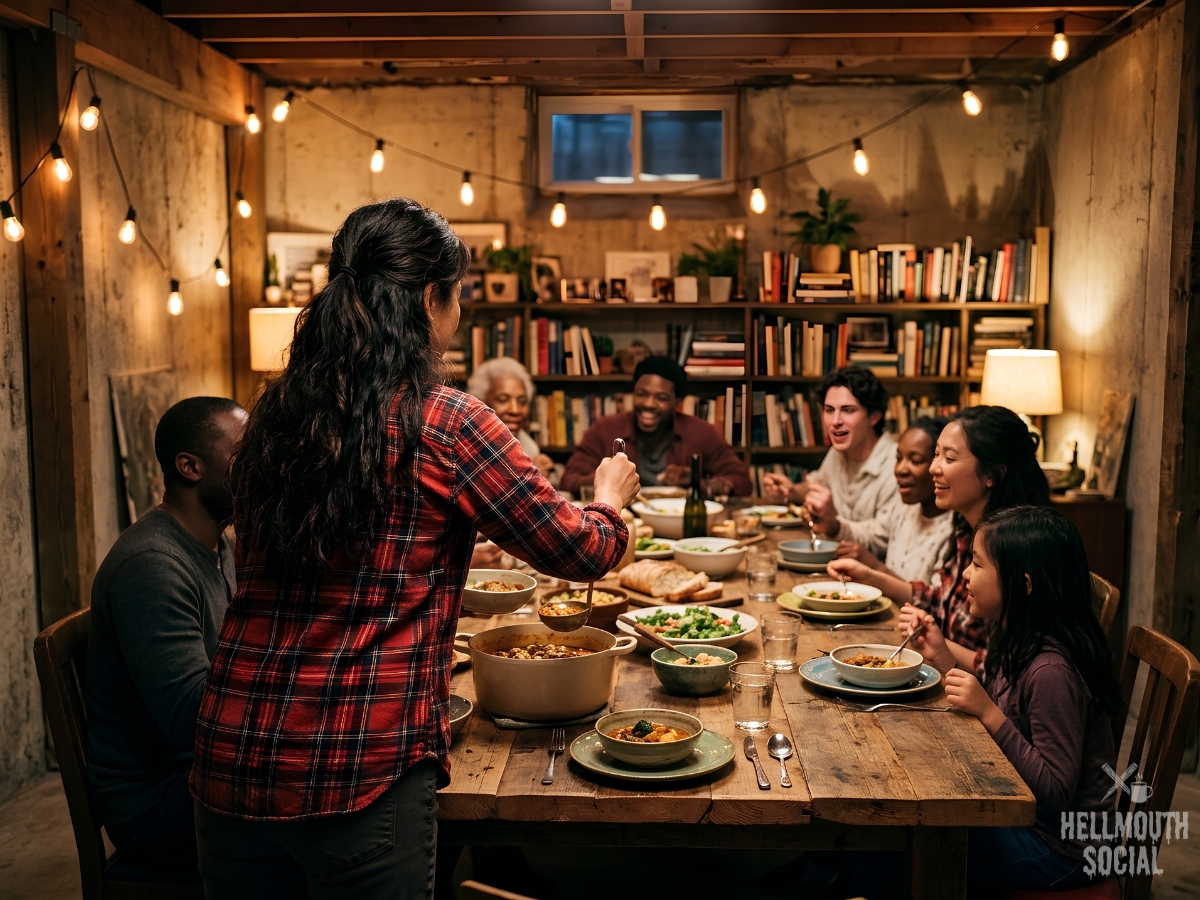
This is you from your late thirties on. You are the responsible one now. Congratulations. Here is your existential dread.
The boys stop being the kids in the story and become the people the kids depend on. The found family expands — Mary comes back, Jack arrives, Cas is basically a co-parent — and the central question shifts from "how do we survive this?" to "how do we keep them alive, and what is all of this even for?" If you have ever realized, mid-task, that you are now the adult everyone is looking at, this is your era.
Season 12 — The Adult Child, Renegotiated. Mary Winchester comes back from the dead, and it's awkward, because the boys are grown men now and she's relating to memories of toddlers.
👉 Adulthood translation: a parent reenters your life and you have to renegotiate the whole relationship as equals, except neither of you knows the new rules and somehow you're parenting them now. Add a meddling overseas institution (the British Men of Letters) for the full "extended family has opinions" experience.
Season 13 — The Accidental Mentor. Lucifer's son Jack shows up, and despite every reason not to, the boys raise him. Team Free Will 2.0.
👉 Adulthood translation: found family, fully committed. You've got a kid now — biological, chosen, plant-based, or a 24-year-old intern — and you would absolutely set the world on fire for them, which is concerning, because in this exact season they keep an entire alternate apocalypse in the wings.
Season 14 — The Overwhelmed Caretaker. It all comes apart. Michael possesses Dean, Jack loses his soul, Mary dies. The people you're protecting become the source of the catastrophe.
👉 Adulthood translation: this is the season where everyone leans on you at once and you have genuinely nothing left to give, and the strength everyone admires in you starts to feel like a trap you built yourself. You are the strongest one. You hate it a little. That's allowed.
Season 15 — The Author of Their Own Ending. The final reveal: God (Chuck) has been writing their story all along. Every tragedy, every loss, every doomed romance — narrative beats for his amusement. So Team Free Will does the only thing left to do: they take the pen. They beat the author and write their own ending. Dean dies on an ordinary hunt, on a piece of rebar, in the dumbest, most human way, and goes to a Heaven he helped fix. Sam lives a full apple-pie life and grows old and dies and finds his brother again, on a bridge, with the radio on.
👉 Adulthood translation: you finally understand that most of your life ran on a script someone else wrote — your parents', the culture's, the algorithm's — and the only real freedom left is choosing how the last act goes. It's about mortality. It's about peace. It's about a long drive with the windows down and a song you don't have to explain to anyone. (The finale is called "Carry On." Yes, I cried. No, we're not discussing it.)
You're a Found-Family Lifer if: you're the one everyone calls, you've stopped waiting for life to "start" and started living the one you've got, and you've made peace with the fact that the goal was never to win — it was to get the people you love to a good ending, and maybe get there yourself.
So which one are you?
Here's the thing about these four.
You will want to be a Kripke-Era Romantic, because the twenties looked the best on camera and free will is sexy.
You will fear being a Wilderness Burnout, because nobody wants to admit they're running soulless and efficient toward a corporate hydra.
And you will secretly already know you're a Shadow-Wrestler or a Found-Family Lifer, because you've read this far and you've been quietly clocking yourself the whole time.
But knowing yourself and being honest about it are two different hunts. That's what the quiz is for. Fifteen quick, painless, occasionally invasive questions — no trivia, no "name the Colt's nemesis", just you and your coping mechanisms under a desk lamp. At the end, it'll tell you which era adulthood actually carved you into.
It might not be the one you'd pick. It's almost never the one you'd pick. That's kind of the point.
Carry on, wayward one
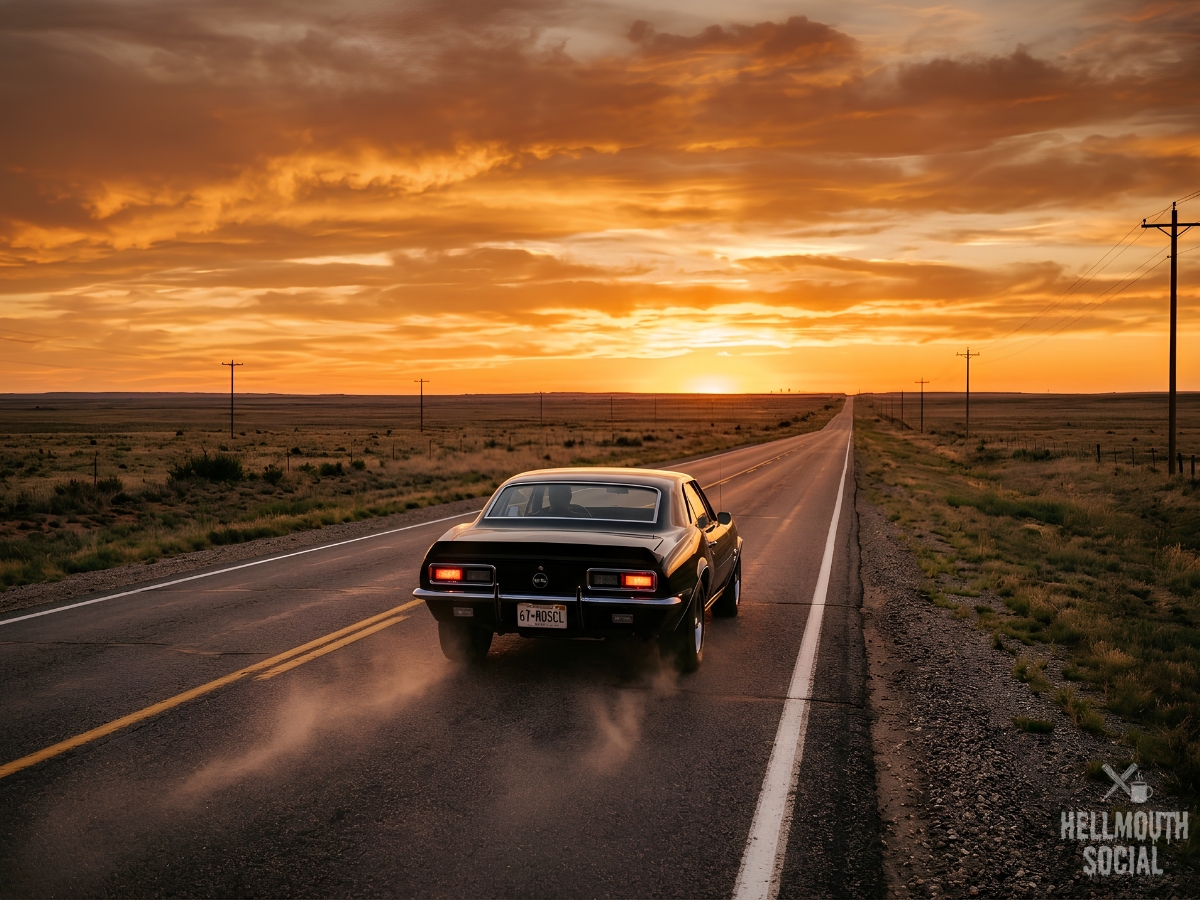
The show ended. We didn't. That's the deal nobody signs but everybody honors — you keep going, soul intact or in a box, mentor or no mentor, script or no script. You carry on, mostly because the alternative is worse and partly because there's still pie.
Fifteen seasons. Fifteen years. One impossibly long road trip that aged into the exact shape of our lives. If that's not the most Xennial thing that's ever happened to a television show, I don't know what is.
Now go take the quiz and find out who you really are. And then join the Council — one satirical briefing every Sunday, 36 free digital stickers, and a standing reminder that you are not, in fact, the only one organizing your entire emotional life around a CW show about two men and their car.
Driver picks the music. You picked this. No regrets.
— filed under The Hunter's Journey, with salt lines down and the trunk packed.