
Custom
AI-Generated Designs for Creators Who Sell
Order custom t-shirt art, wall prints, clipart sets, and more — all tailored to your exact style!
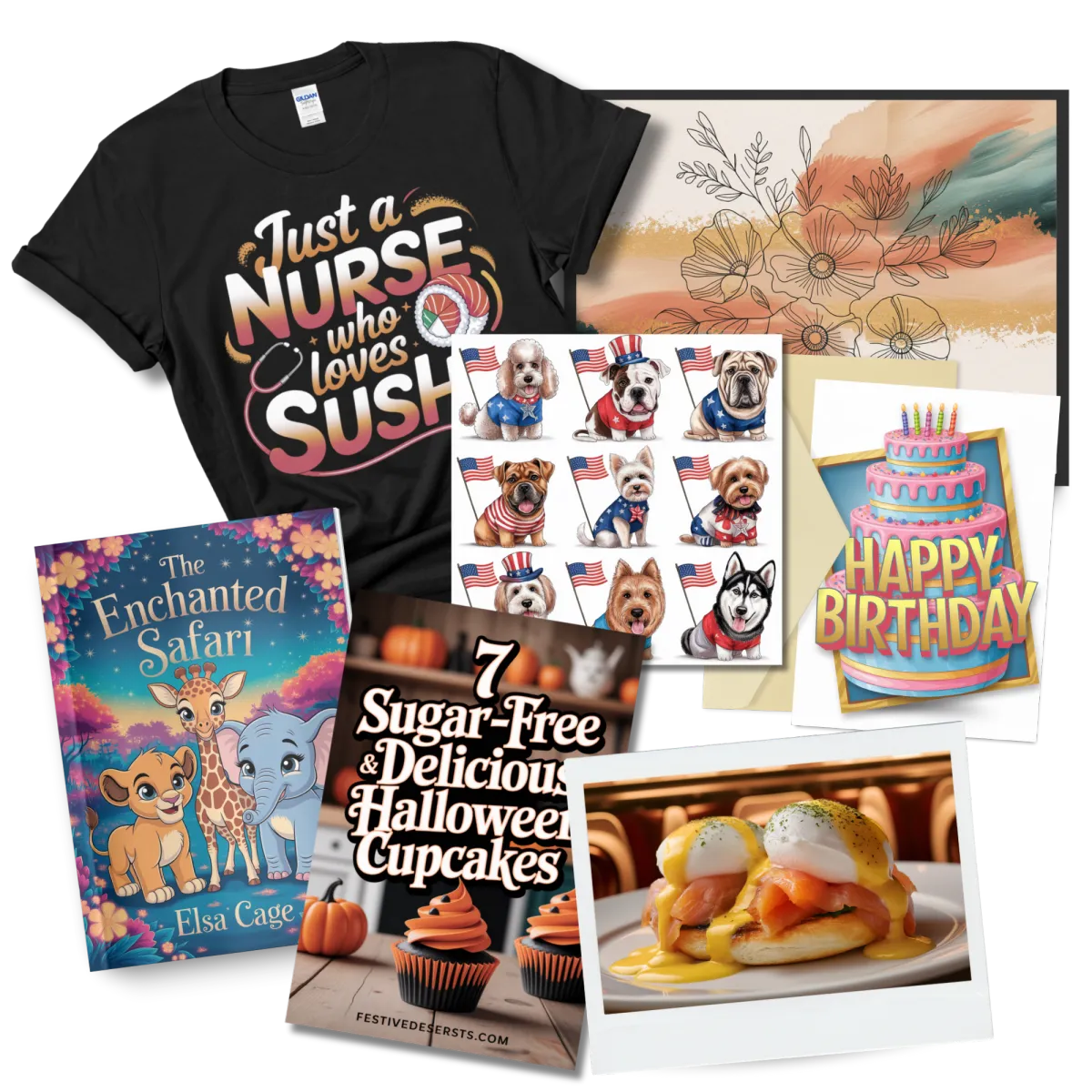

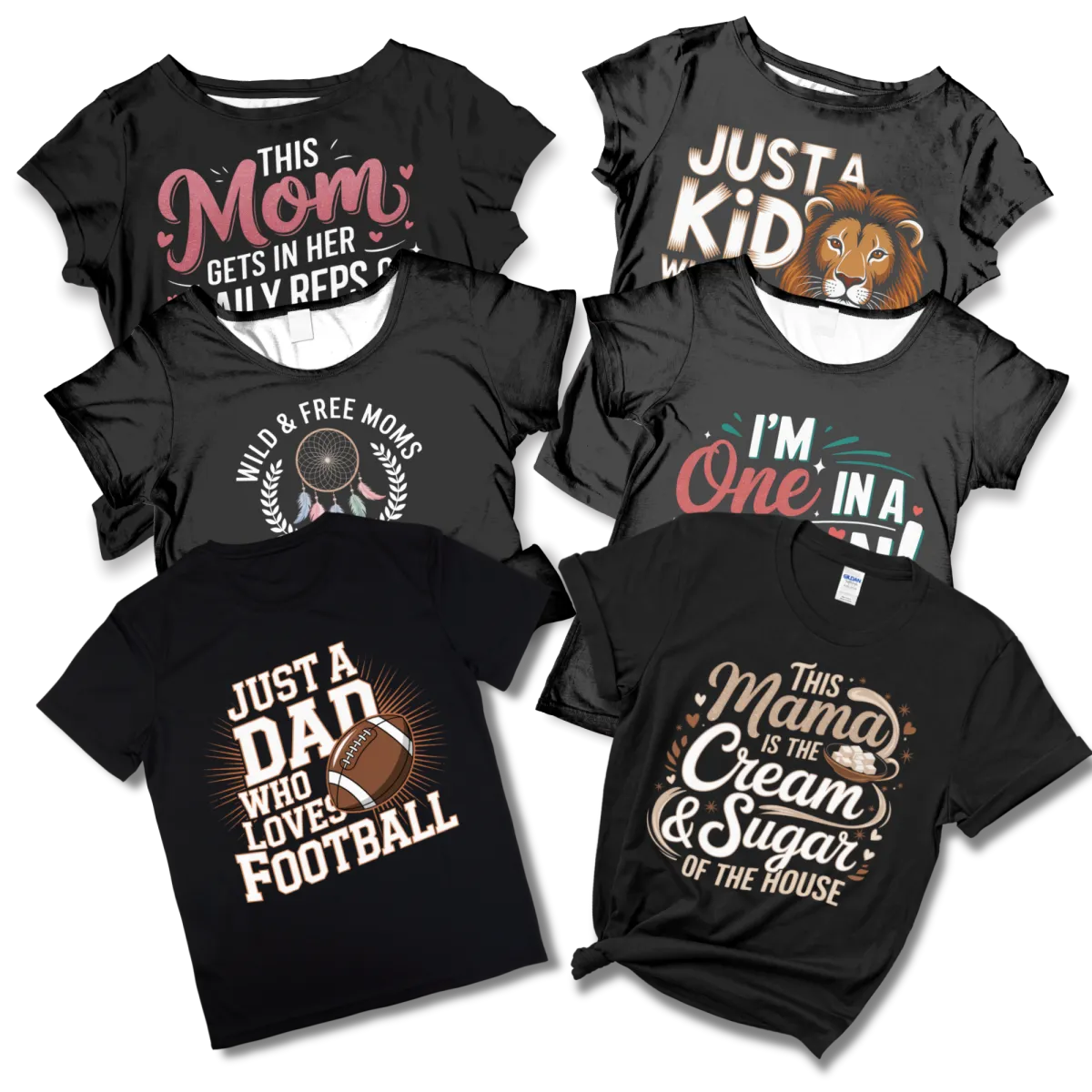
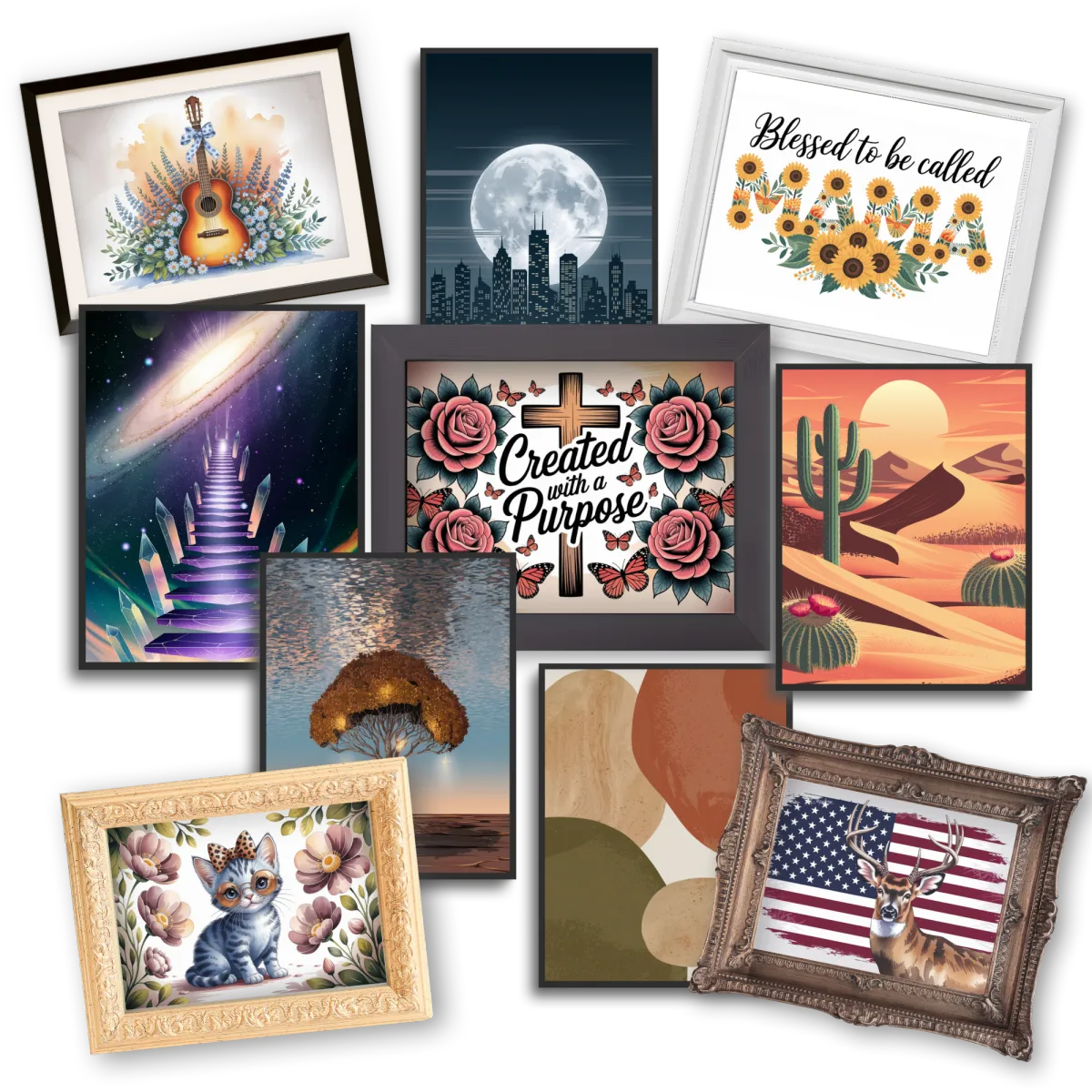
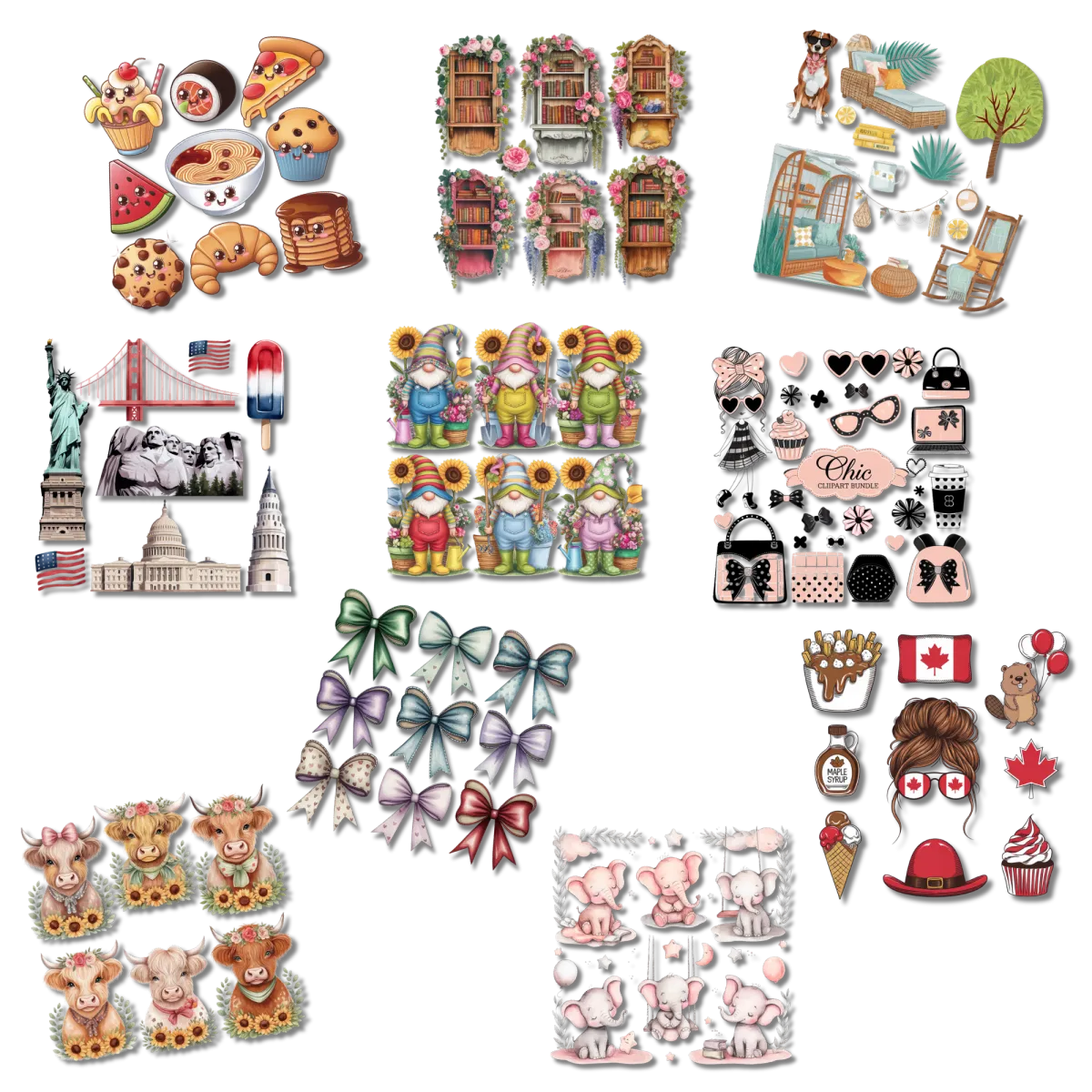
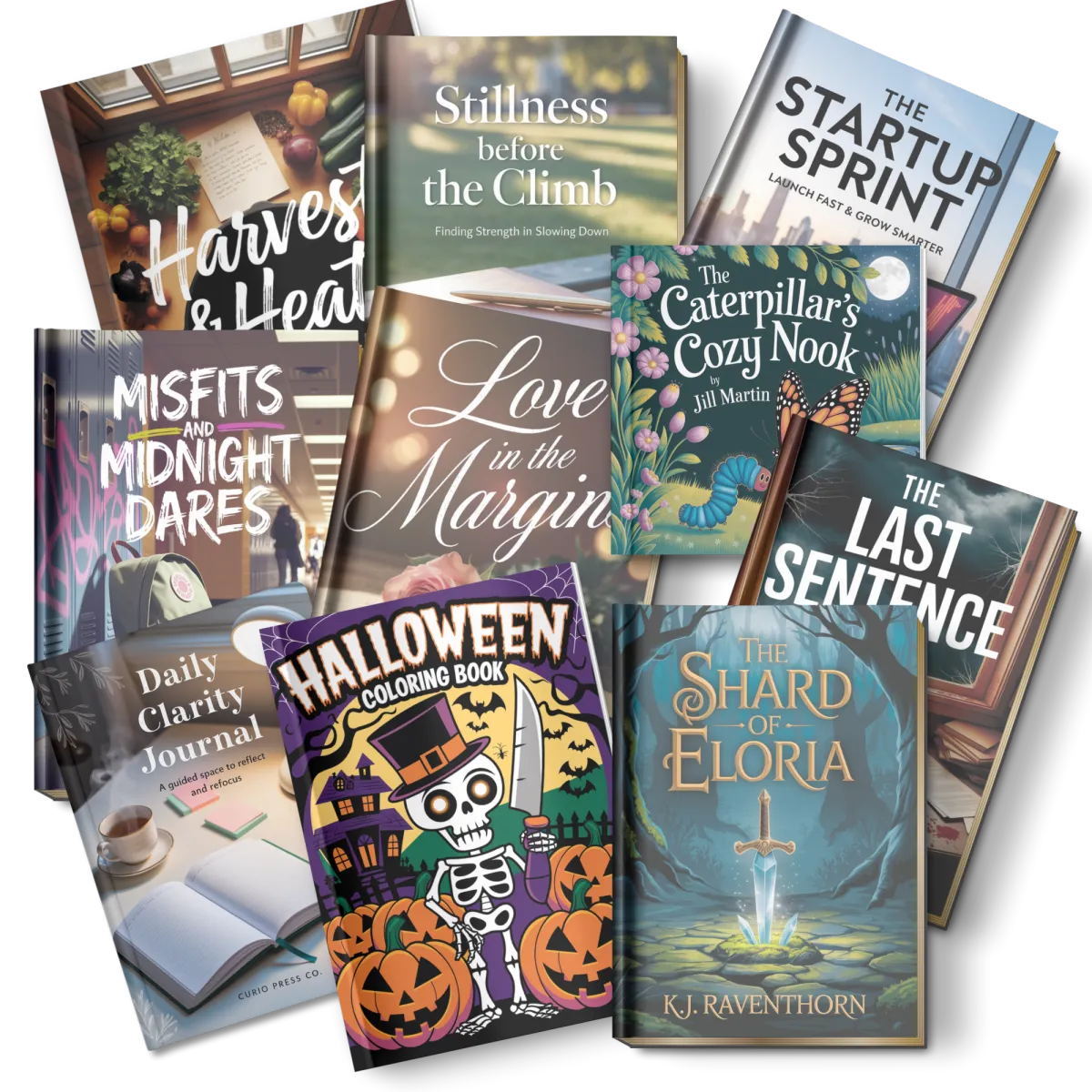
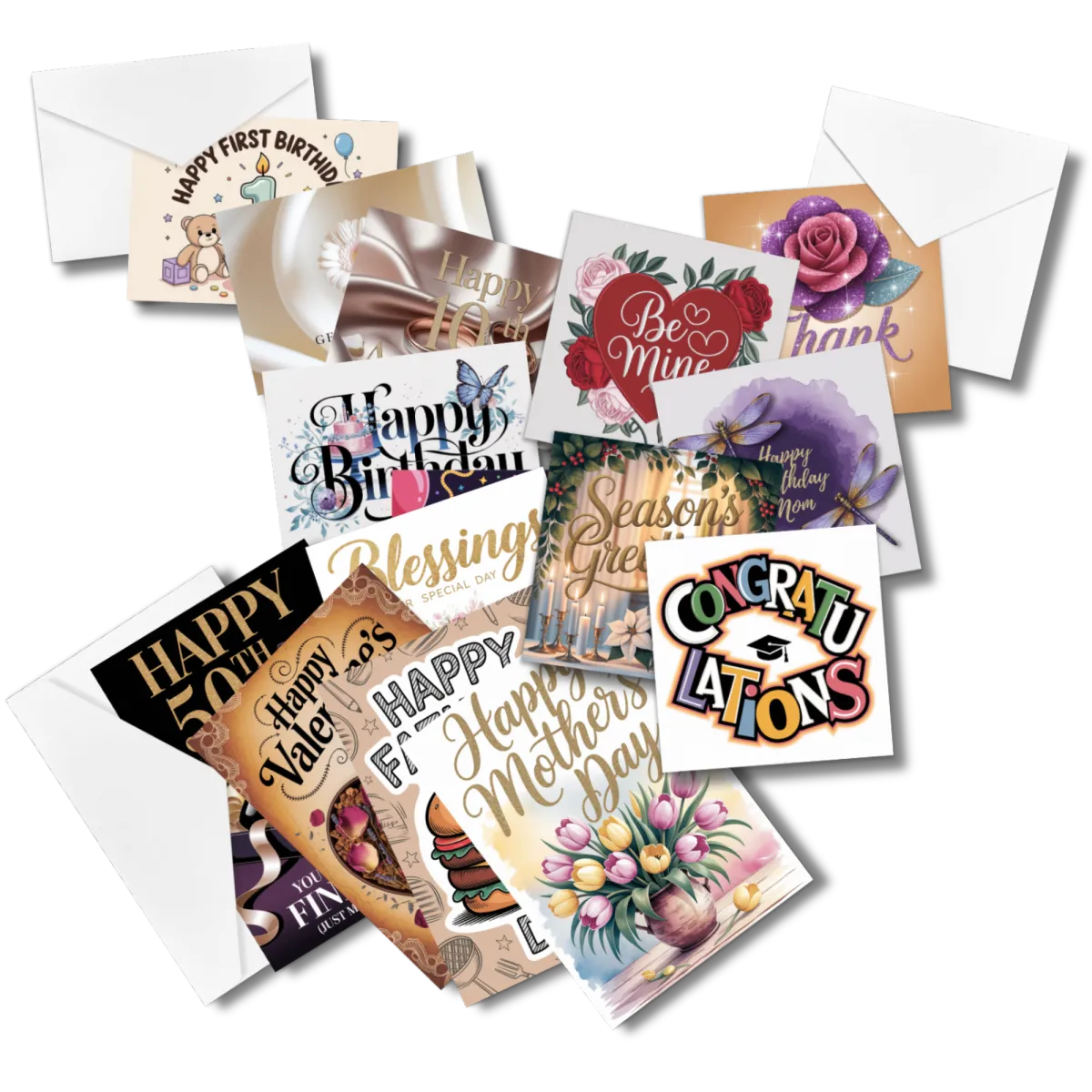
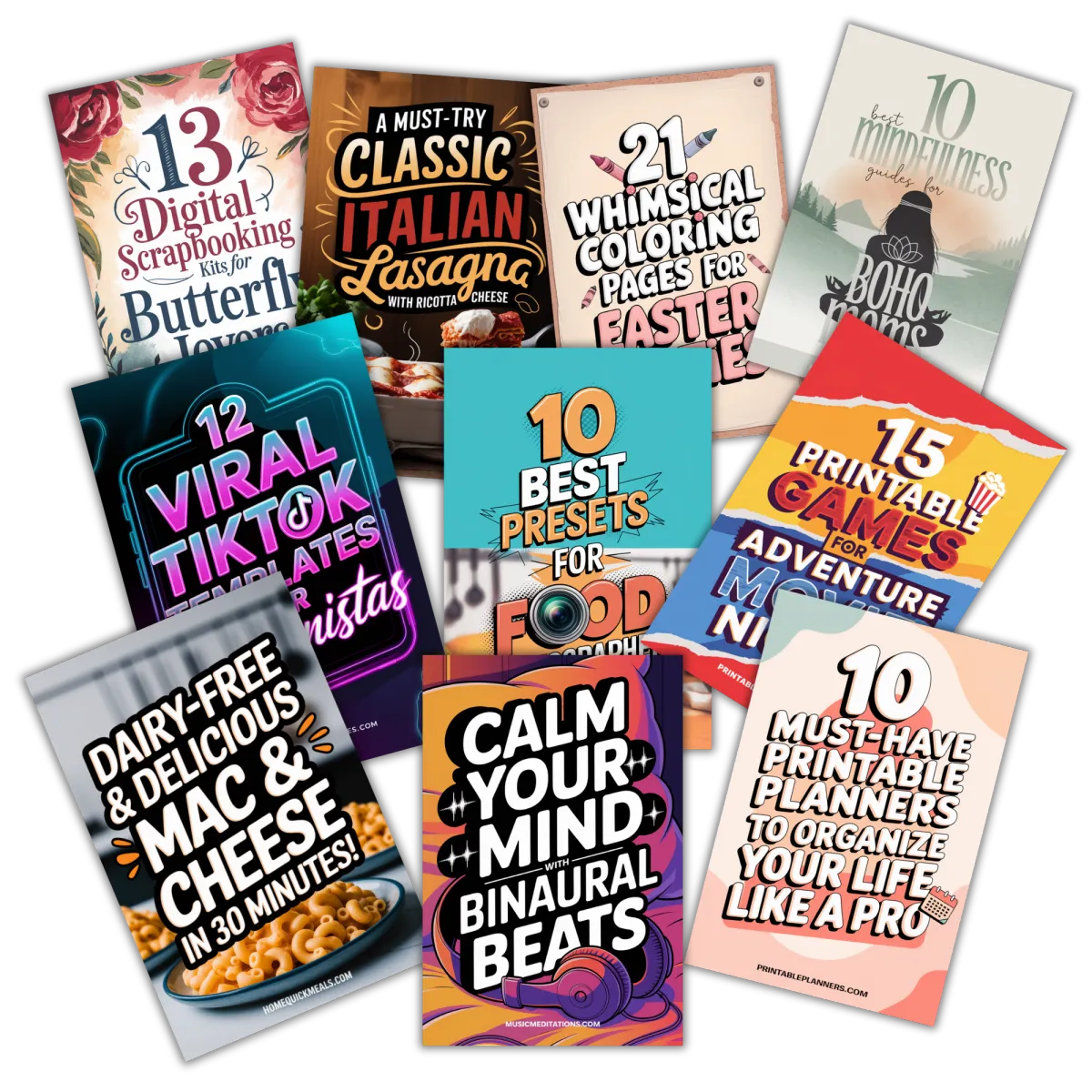
In need of stunning images for your next project?
Let me help you by crafting accurate prompts to generate amazing quality outputs using Ideogram — no guesswork, no fluff. Whether you need bold t-shirt designs, cute clipart sets, moody book covers, or scroll-stopping Pinterest pins, I’ll handle the creative direction so you can focus on what you do best: creating, selling, and growing your brand. Pick your image type below, fill out a quick form, and I’ll take care of the visuals.
Hello There!
Hey, I’m Asha — your AI design whisperer! Fueled by caffeine and Ideogram, I use custom prompts and creative strategy to turn everyday ideas into scroll-stopping designs for shirts, prints, pins, and more. No fluff. No filler. Just clean, custom visuals you can actually use commercially.

Want a closer look at my design style?
I've built an impressive gallery of designs that should give you an idea as to the type of images I can create for you - especially for black colored apparel. Hit that button below and explore my public profile on Ideogram.

Custom AI-generated images made simple
How the Process Works

Step 1
Choose your design type + fill out a form.

Step 2
Pay 50% deposit and I get to work.
Step 3
Pay for the completed work and get your final files.
Want to Create Your Own Designs Like I Do?
Grab my exact prompt system and start designing with confidence in Ideogram.
Latest from the Blog
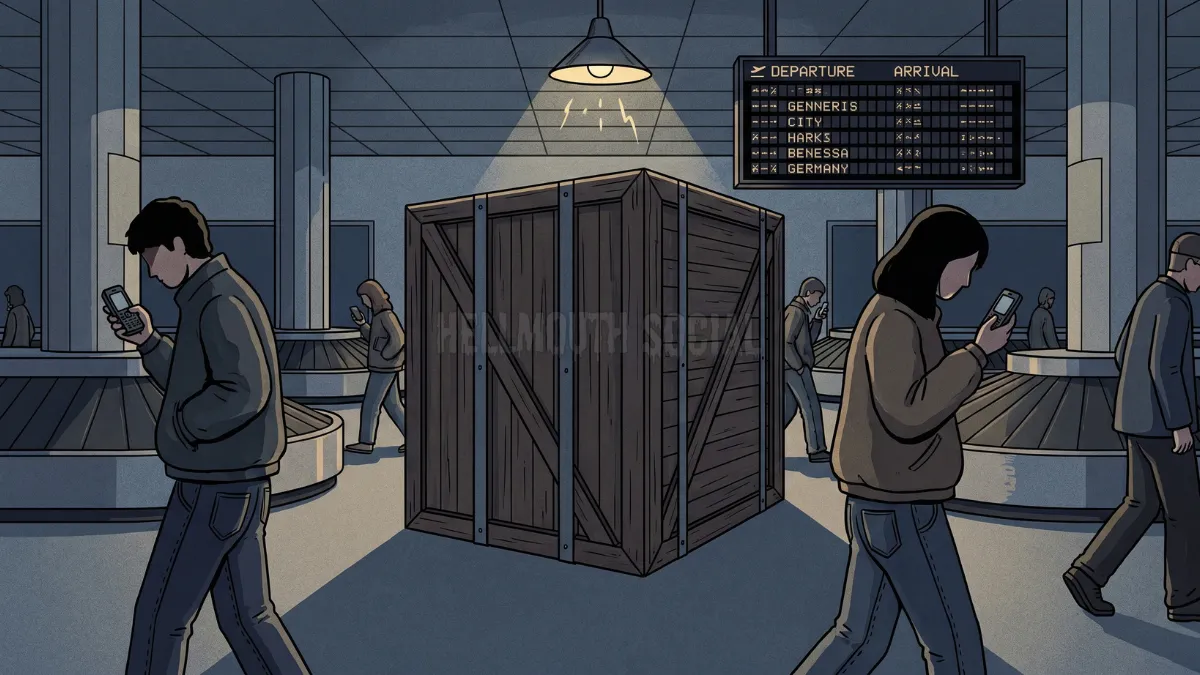
The Box: Why 2014 Was the Last Time We Cared About Careers
Let’s travel back to 2014. A time when we still thought "disruption" was a good thing, we were all secretly addicted to Candy Crush, and the biggest threat to humanity wasn’t an algorithm — it was a giant, dirt-filled box on a Boeing 767.
I just rewatched episode two of The Strain, titled "The Box", and honestly? It’s a sociological time capsule. Back then, we actually believed the government had "protocols". We thought the CDC was a group of cool, untouchable rockstars in hazmat suits rather than... well, whatever we think of them now after three years of sourdough starters and Zoom fatigue.
Watching Dr. Ephraim Goodweather try to manage a biological apocalypse while navigating a messy divorce is the most Xennial "work-life balance" nightmare ever captured on film.
Here is why "The Box" is the ultimate 2014 mood ring for those of us currently wondering if our knees will ever stop clicking.
1. The CDC vs. The Red Tape: When We Thought "Systems" Worked
In "The Box," we see Ephraim Goodweather (aka 'Eph' in this post) — a man whose hair is far too lush for someone working 100-hour weeks — trying to convince the world that a plane full of corpses is a "bad thing". He’s met with bureaucrats who are more worried about the stock market and airport PR than, you know, the literal extinction of the human race.
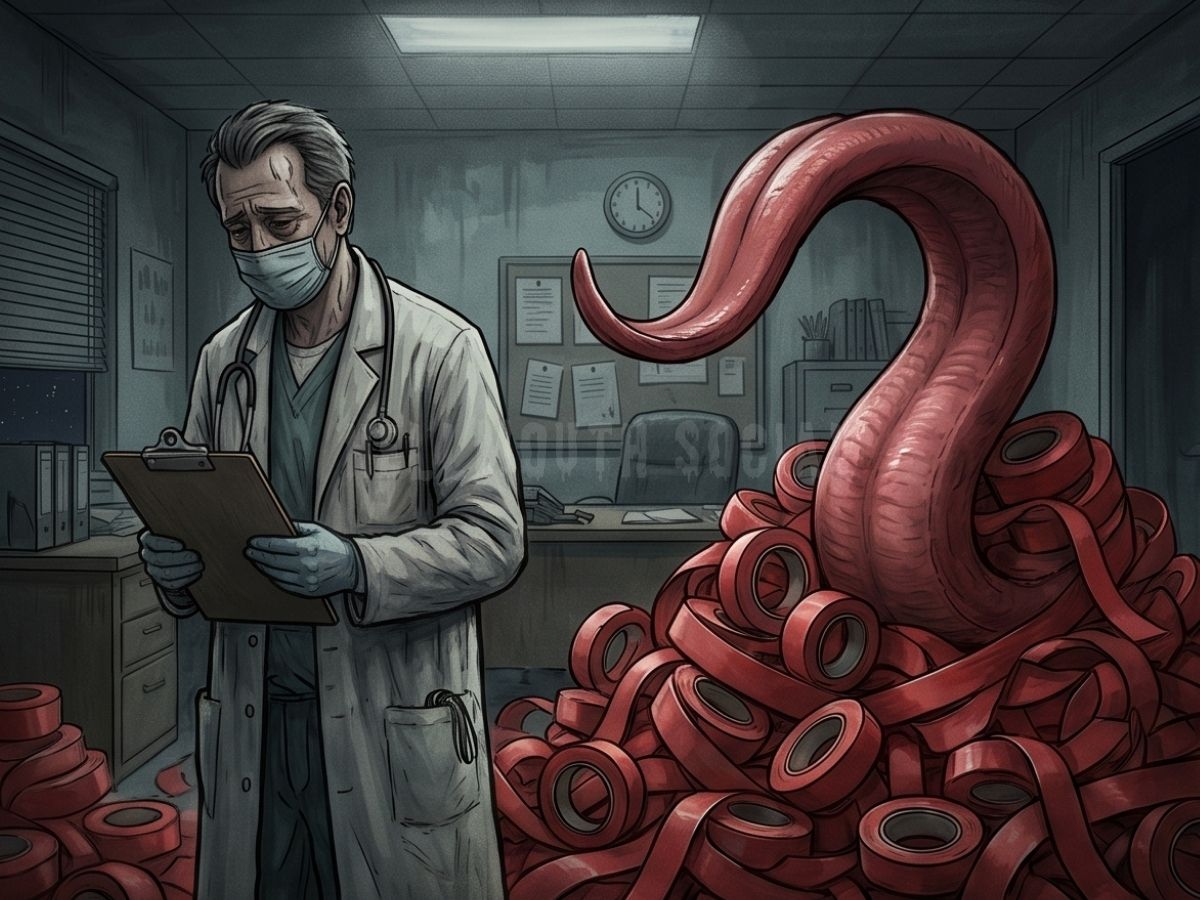
In 2014, this was a classic "man against the machine" trope. Today, as over-40s who have survived actual global "events," this hits different. We’ve moved from Institutional Trust to Institutional Exhaustion.
The Sociological Twist: Bureaucratic Inertia
Sociologically, this episode is a masterclass in Bureaucratic Inertia. Back in the mid-2010s, we still operated under the "efficiency myth". We believed that if you just followed the data, the system would pivot. Watching Eph get shut down by his boss is a painful reminder of our own corporate experiences.
Remember when we thought a well-placed PowerPoint deck could change the world? Now, we just hope the "Reply All" chain ends before Friday at 4 PM.
Eph represents the Xennial transition: the last generation to believe that working harder than everyone else would grant you the moral authority to lead.
Spoiler alert for real life: it usually just gets you more emails.
2. The Four Survivors: 2014’s Version of "Influencer Culture"
One of the weirdest parts of "The Box" is the four survivors. They are basically the 2014 "Starter Pack" for social relevance: a goth-rock star, a lawyer, a pilot, and a guy who probably had a very intense LinkedIn profile. Instead of being kept in a high-security lab, they are basically given a "get out of jail free" card because they have high-profile lives.
The Sociological Twist: Status Anxiety
In 2014, we were at the peak of Status Anxiety. The survivors don't want to be quarantined because it might hurt their "brand" or their billable hours. Watching them demand to leave the hospital is a hilarious look at pre-pandemic entitlement.
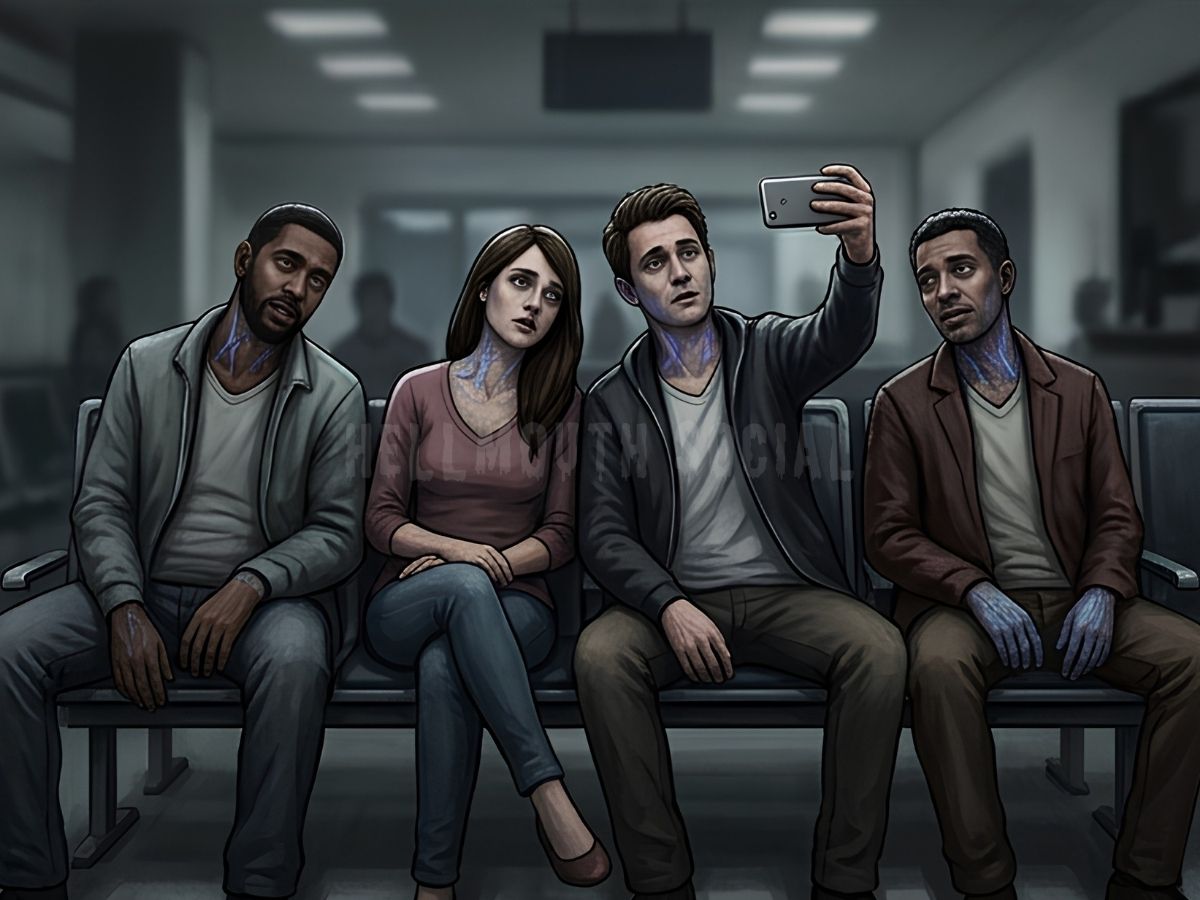
Today, as people over 40, we watch this and think, "Honey, if a doctor tells me I have to stay in a bed and someone else will bring me lukewarm Jell-O, I am staying forever." The survivors’ desperate need to get back to their "busy" lives is a relic of a time when being busy was a personality trait. Now, our personality trait is "being tired" and "hoping the kids don't need a ride to soccer."
The rockstar, Bolivar, represents the peak of 2010s edge-lord culture. Seeing him struggle with his changing anatomy is basically a metaphor for how we feel every time we try to understand a new TikTok trend. We’re changing, we’re slightly horrified by it, and we just want someone to bring us a steak (even if, in his case, it's raw).
3. The Master’s Box: The Ultimate Unwanted Delivery
The central plot involves moving a massive, hand-carved cabinet out of the airport. It’s the ultimate "This shouldn't be my job" moment. Gus, the guy hired to move it, is the quintessential gig-economy worker before we had a fancy name for it. He’s just a guy trying to make a buck, unaware that he’s transporting the literal end of the world in the back of a van.
The Sociological Twist: The Globalized Risk Society
Sociologist Ulrich Beck talked about the Risk Society, where the hazards of modern life (like a vampire virus in a box) are a byproduct of our own global interconnectedness. In 2014, we were still enamored with the "Global Village." We loved that we could get things shipped from anywhere.
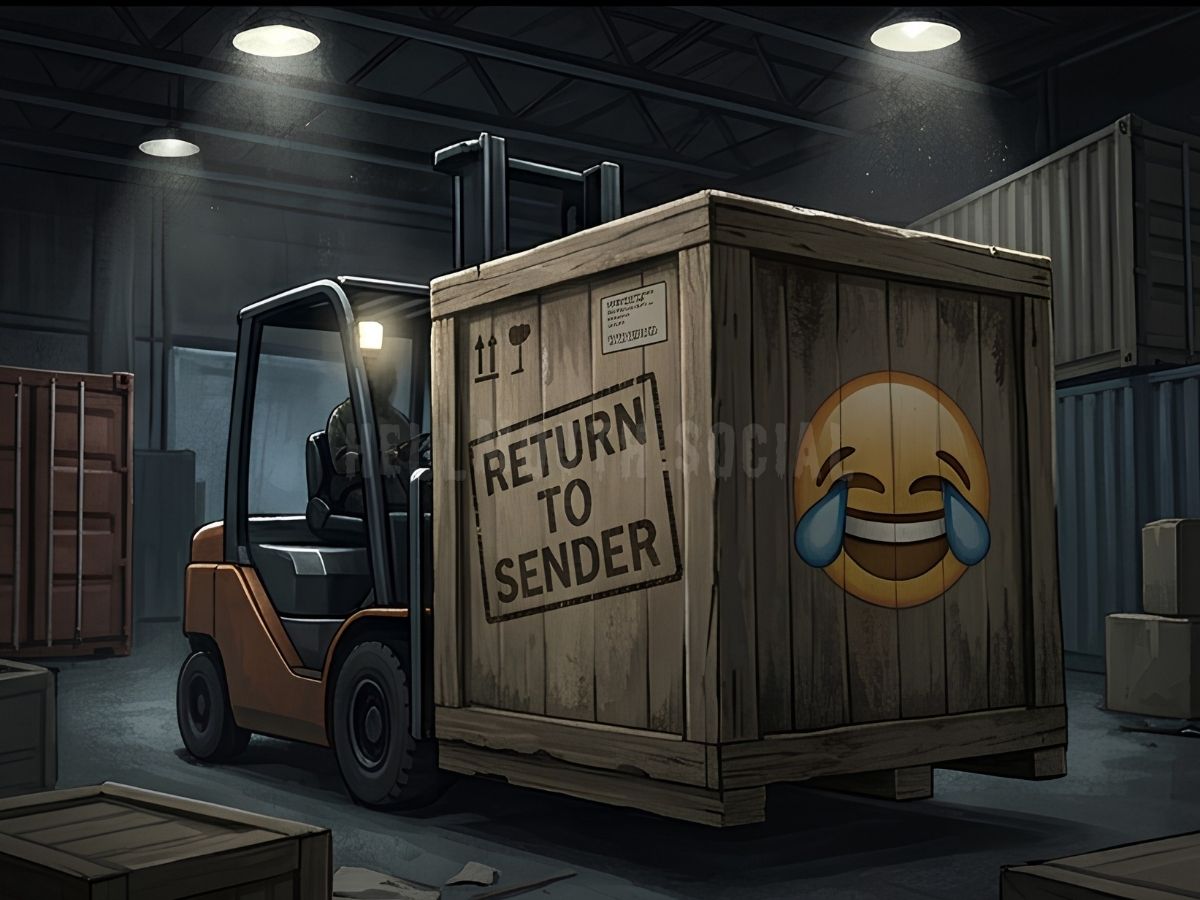
Looking at that box through 40-year-old eyes, all I see is a logistics nightmare. If that box arrived at my house today, I wouldn't open it — not because I fear vampires, but because I don't have the floor space and I’m tired of breaking down cardboard for the recycling bin.
The episode highlights how easy it is to bypass security when everyone is looking at the wrong things. In the 2010s, we were worried about external threats; we didn't realize the biggest threats were already "cleared for takeoff" because they looked like luxury cargo.
It’s a perfect metaphor for how we ignored our own burnout back then — treating our health like a box we could just shove in the basement and deal with later.
Why We Should’ve Seen the Thirst Coming
There’s a specific kind of dread in "The Box" that felt like sci-fi in 2014 but feels like a documentary about The Great Resignation today. The characters are all so desperate to return to their "normal" lives that they ignore the fact that they are literally turning into monsters.
If there’s one thing being over 40 has taught me, it’s that "Normal" is a setting on a dryer, not a state of being. We spent the mid-2010s trying to maintain the veneer of the perfect career, the perfect family, and the perfect health. This episode of The Strain takes that veneer and rips it off with a giant, stinger-like tongue.
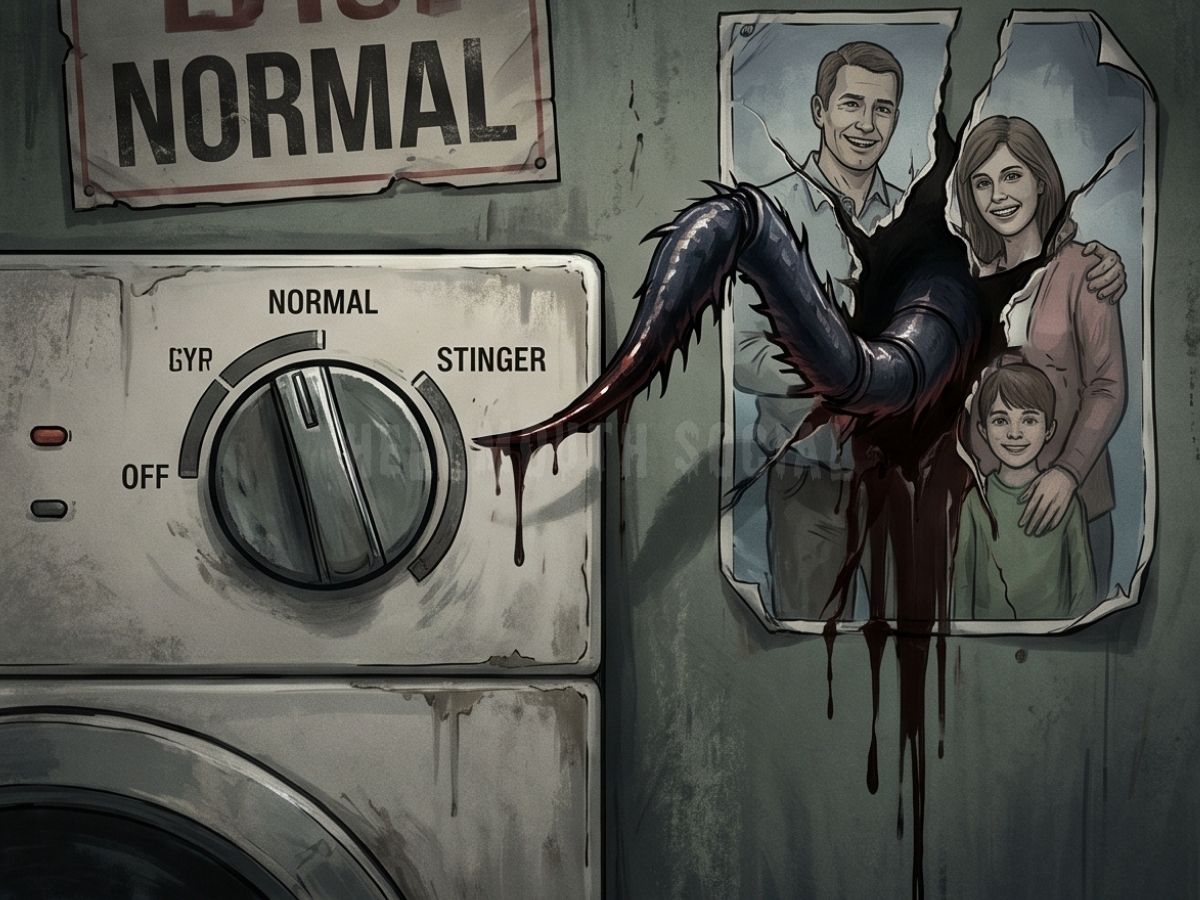
The episode ends with the realization that the "problem" has left the building. And honestly? That’s the most Xennial feeling ever. You spend all day trying to fix a crisis at work, only to realize the crisis has already evolved, moved house, and is currently eating your neighbor’s cat.
We used to think "The Box" was something we could control with a clipboard and a stern voice. Now we know better. We know that sometimes, you just have to let the vampires have the airport and go home to drink a glass of wine that costs more than $12.
In a Nutshell…
If you’re feeling nostalgic for 2014, watch "The Box". It will remind you that while we didn't have gray hairs back then, we were also dangerously optimistic about how much the people in charge actually knew what they were doing.
We were young, we were hopeful, and we didn't realize that the "gig economy" was eventually going to ask us to transport our own demise in the back of a rented truck.
At least today, we’re cynical enough to check the manifest before we drive away. Stay thirsty, my friends — but maybe not that kind of thirsty.