Custom
AI-Generated Designs for Creators Who Sell
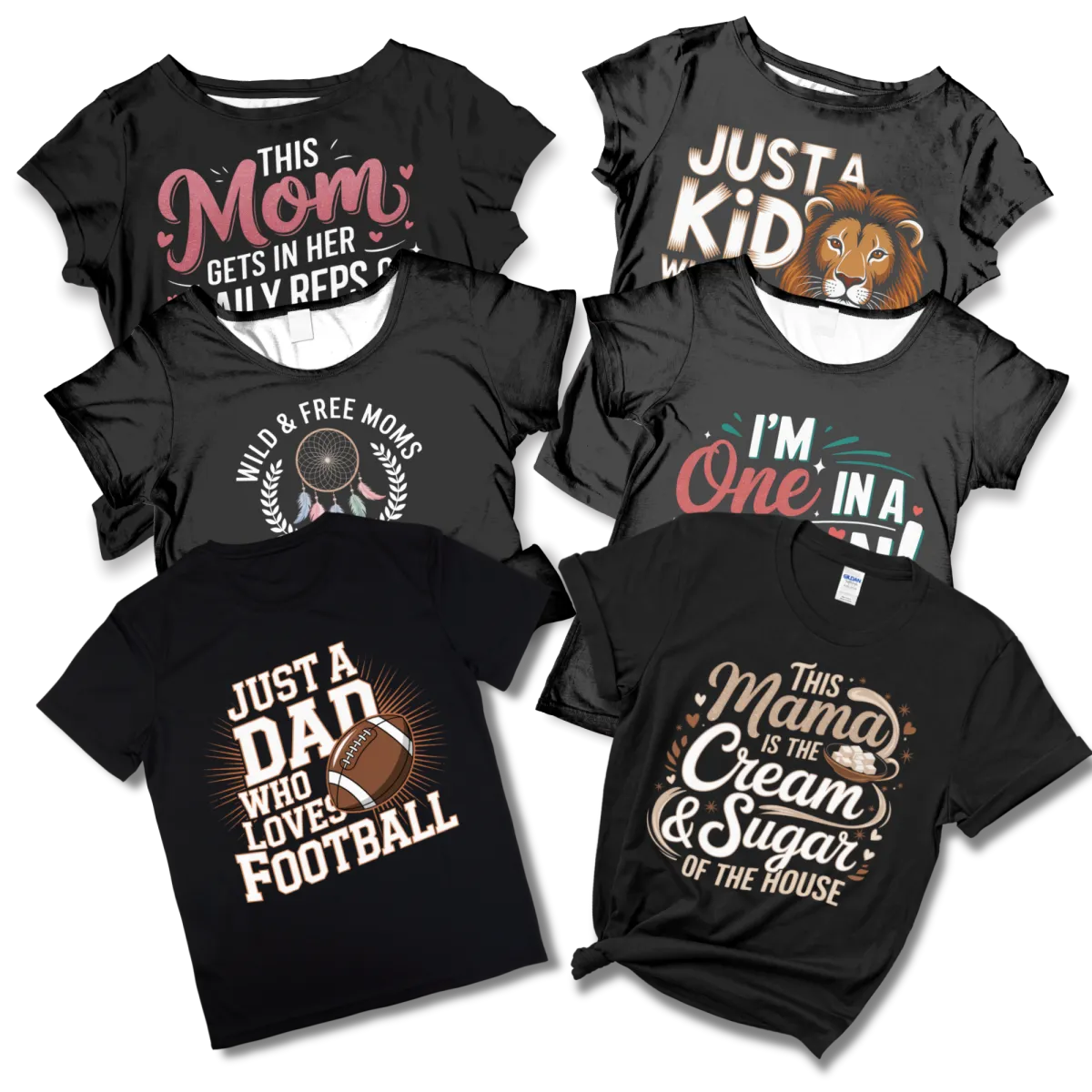
Order custom t-shirt art, wall prints, clipart sets, and more — all tailored to your exact style!
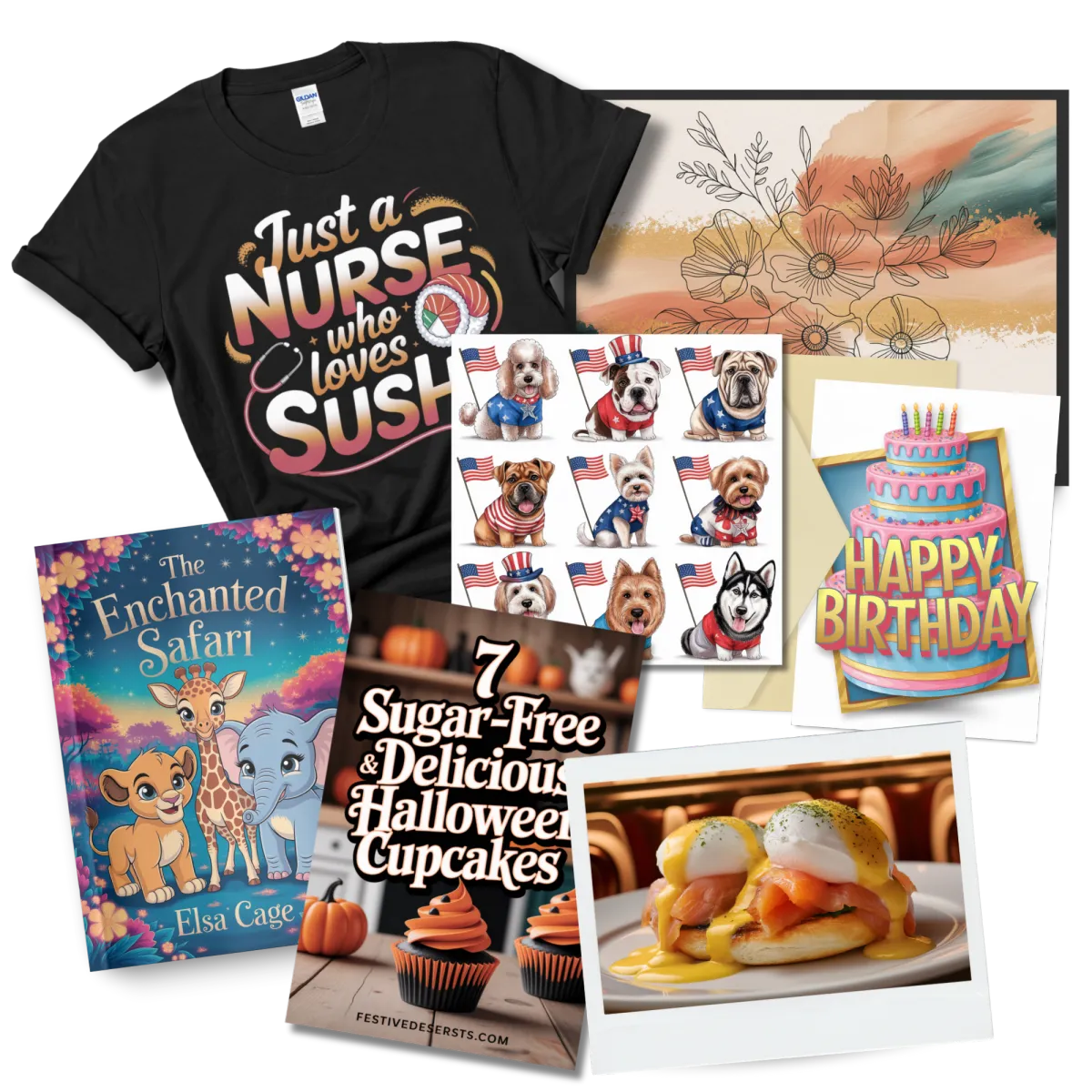
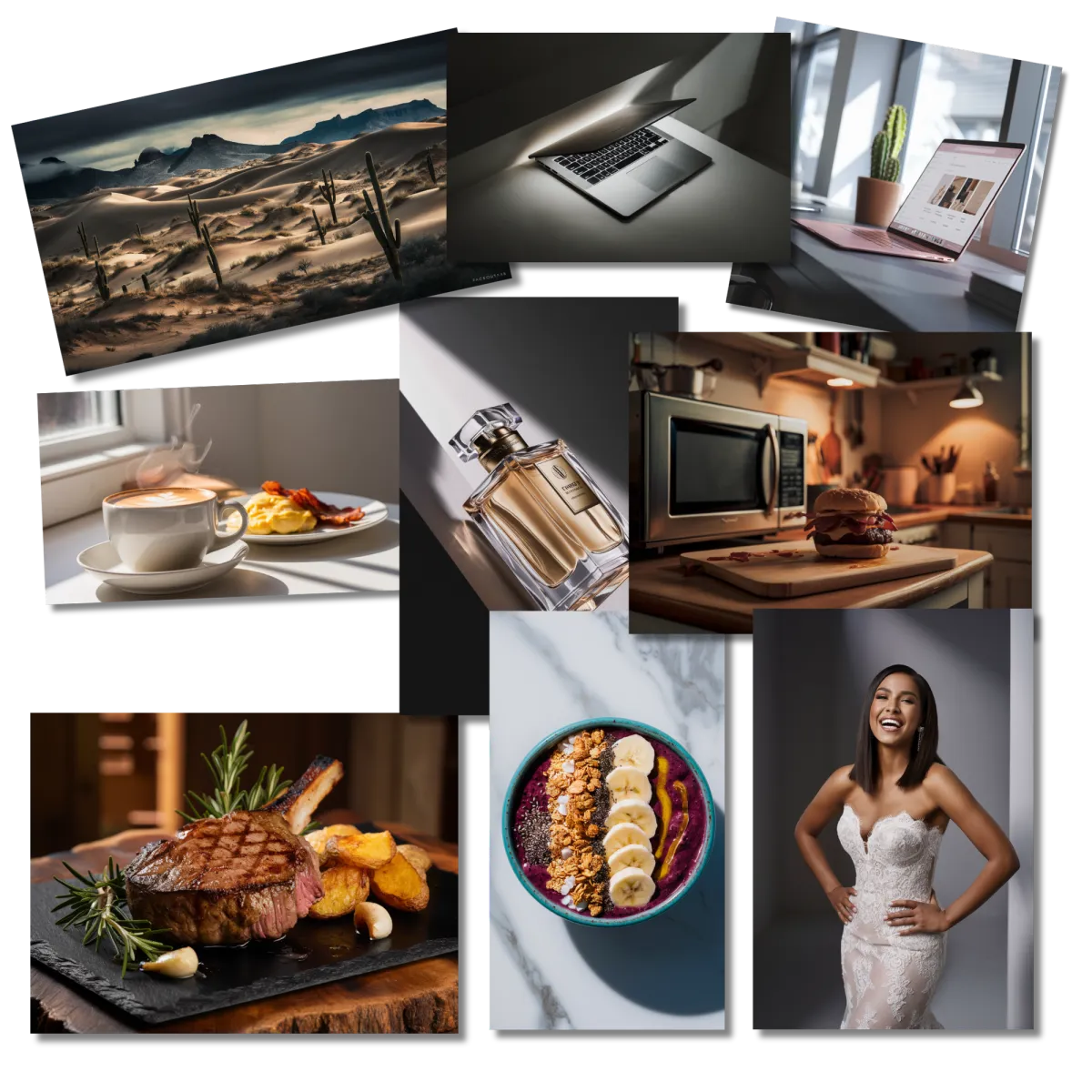
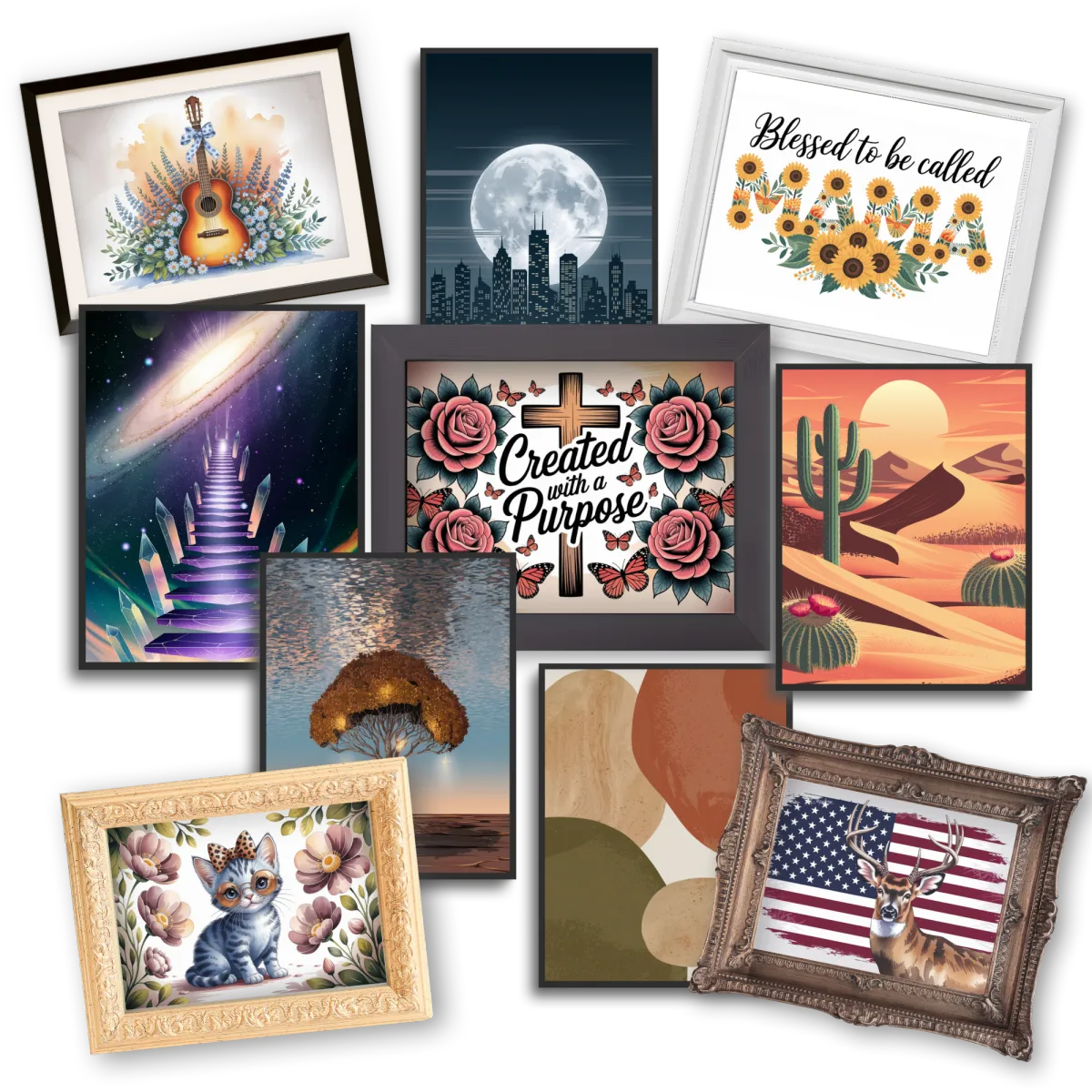
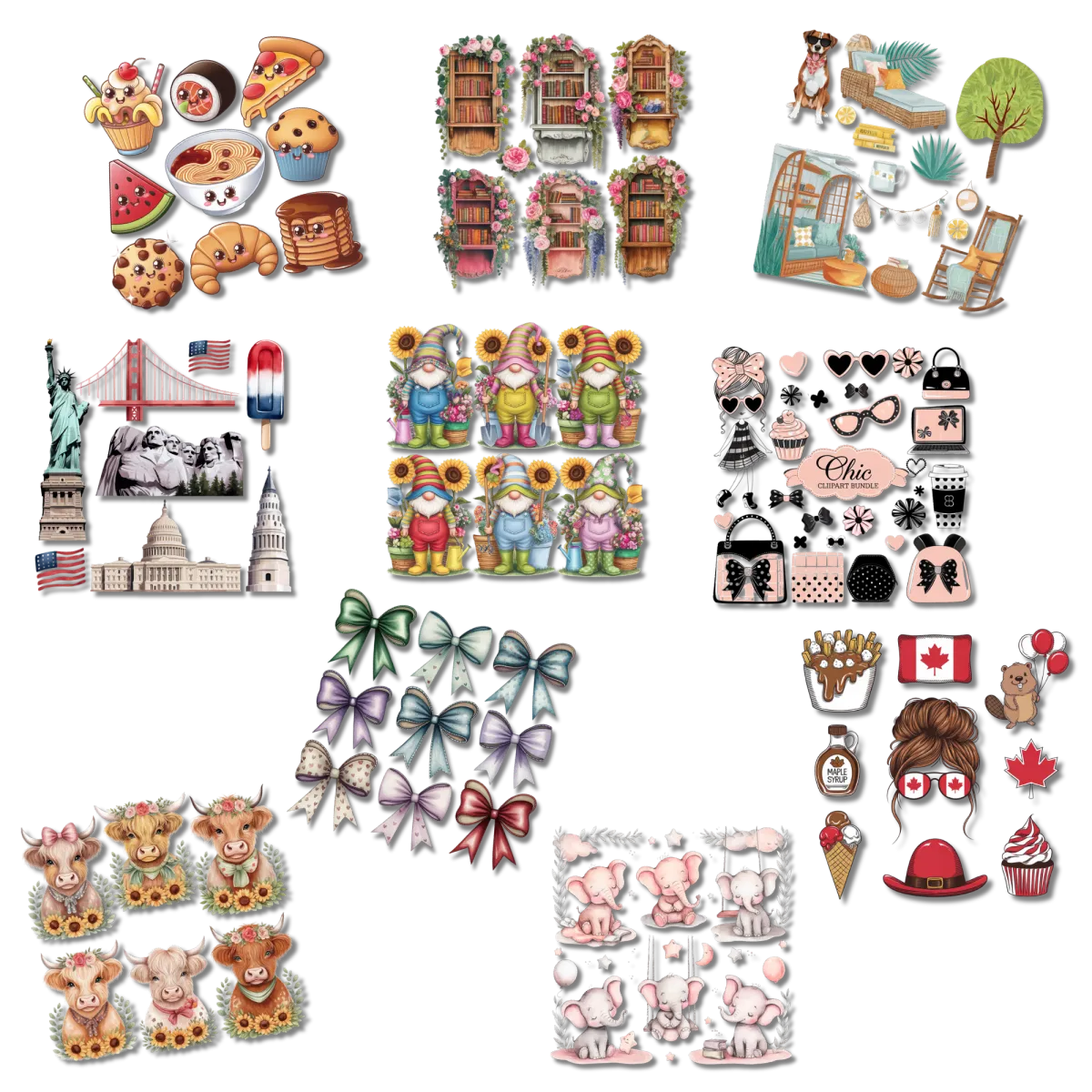
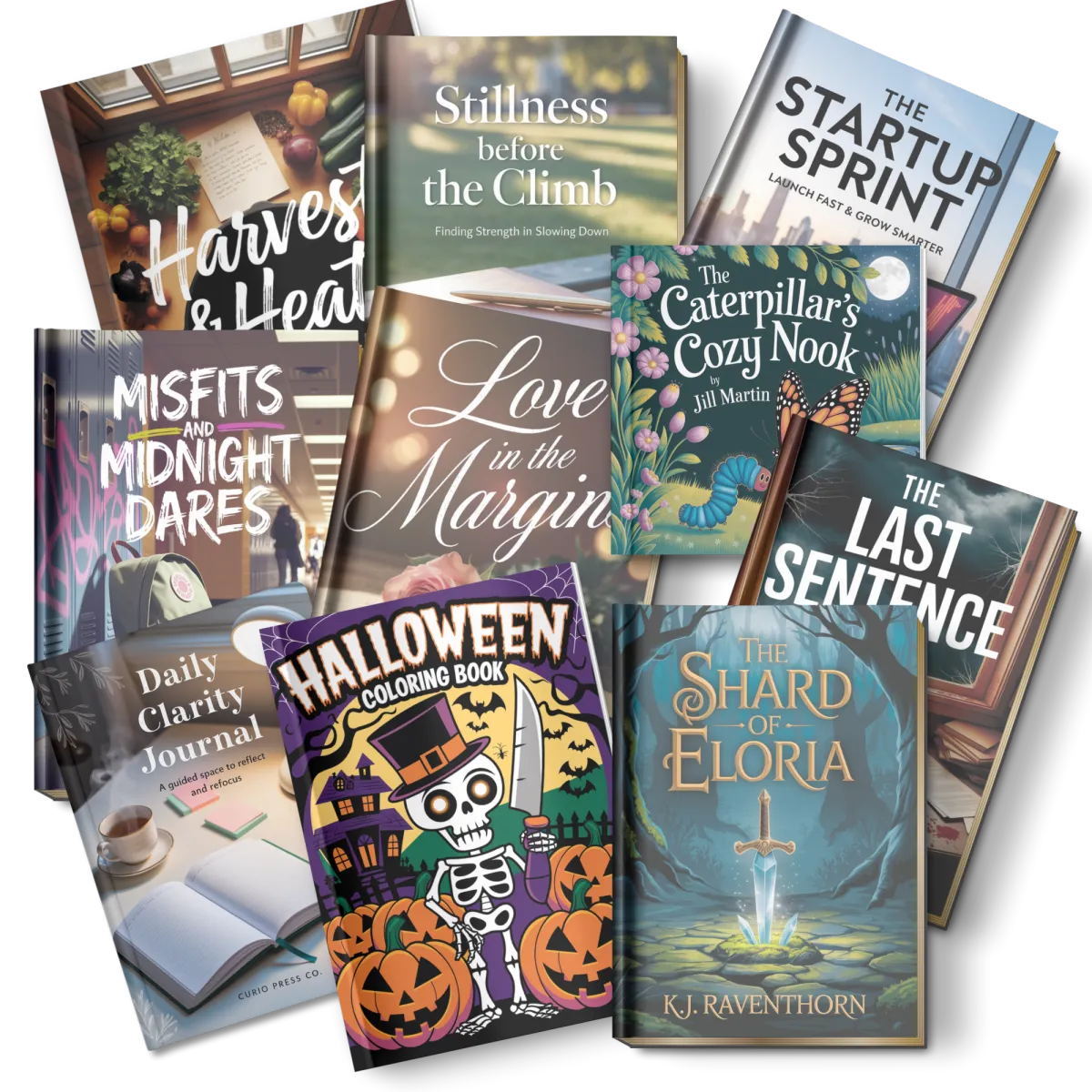
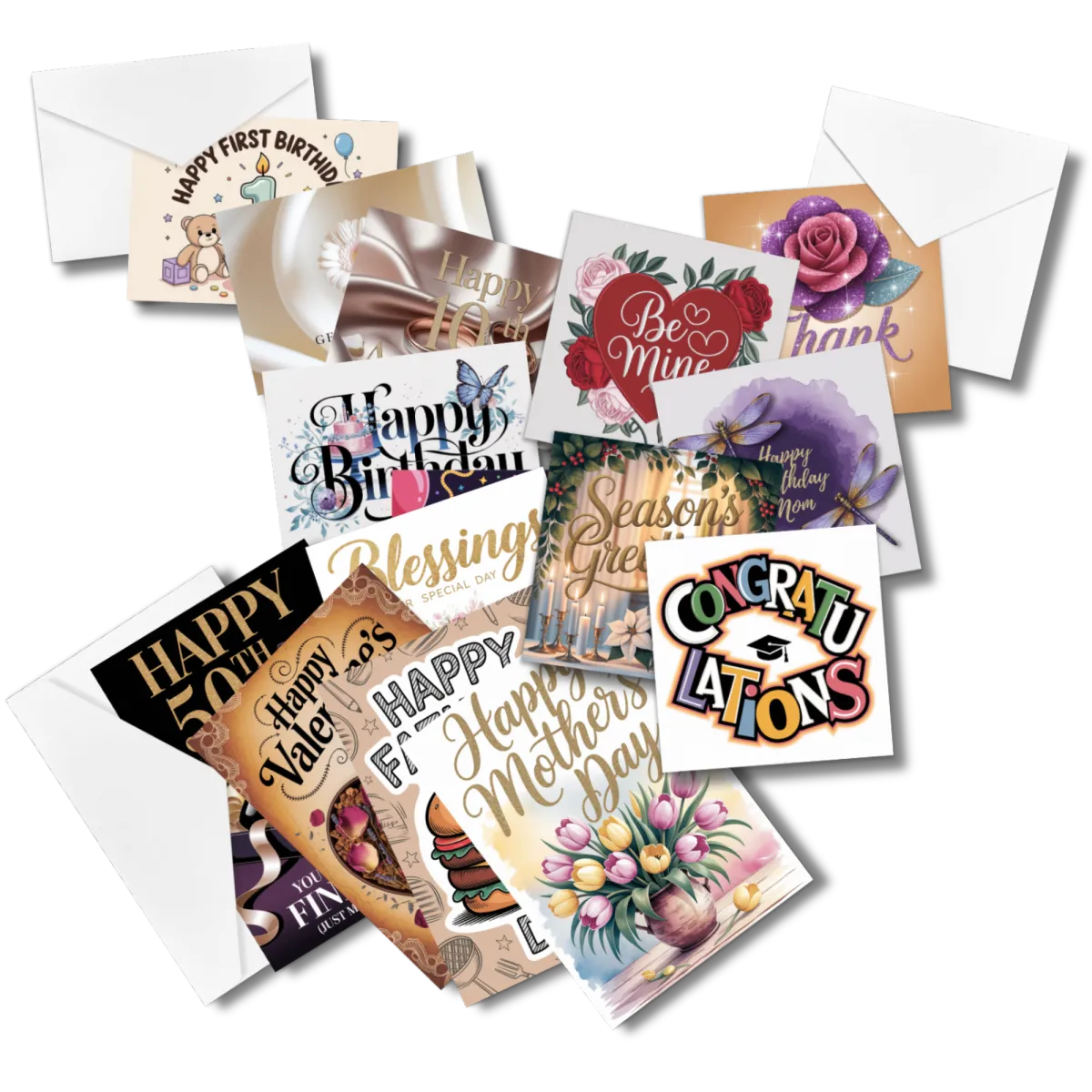
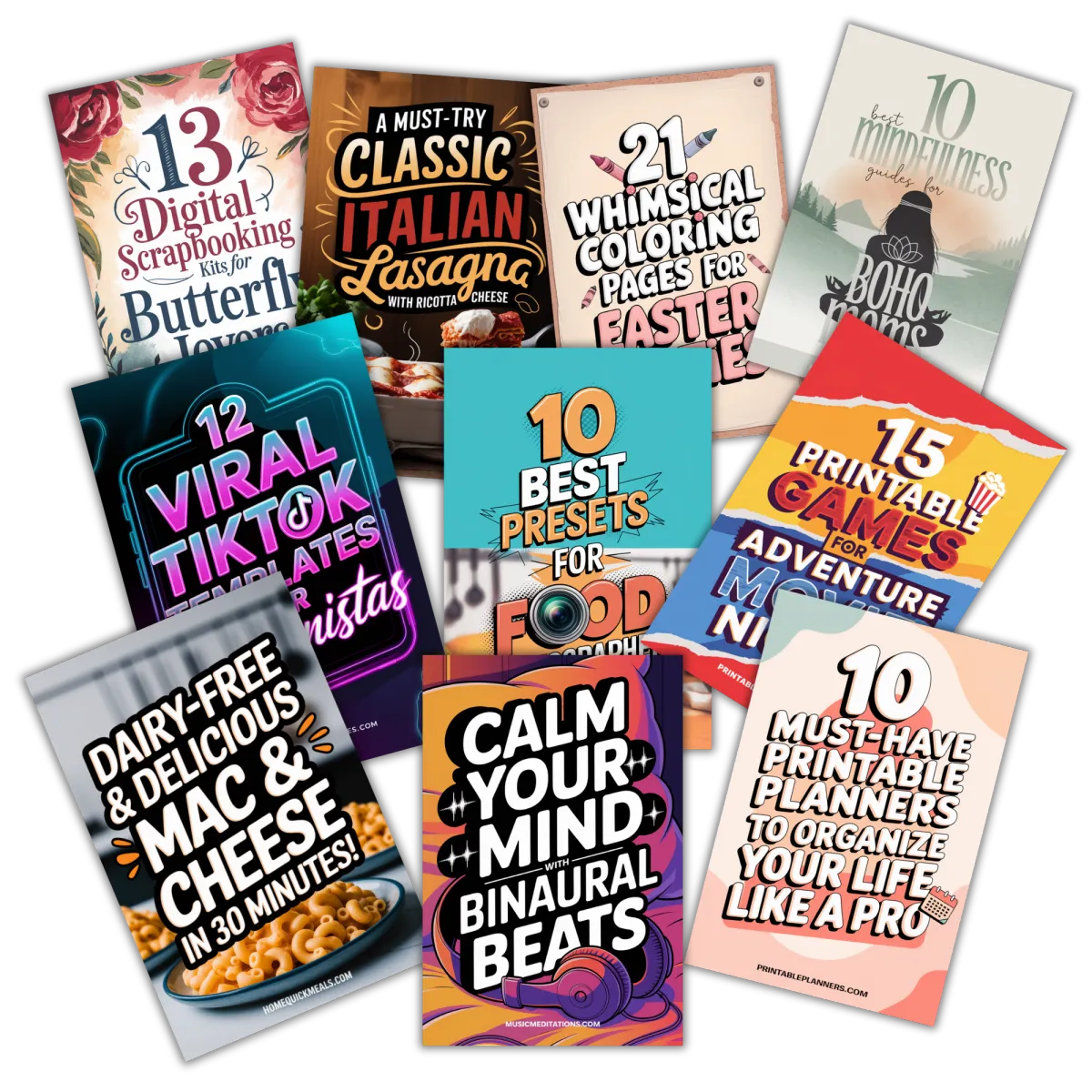
In need of stunning images for your next project?
Let me help you by crafting accurate prompts to generate amazing quality outputs using Ideogram — no guesswork, no fluff. Whether you need bold t-shirt designs, cute clipart sets, moody book covers, or scroll-stopping Pinterest pins, I’ll handle the creative direction so you can focus on what you do best: creating, selling, and growing your brand. Pick your image type below, fill out a quick form, and I’ll take care of the visuals.
Hello There!
Hey, I’m Asha — your AI design whisperer! Fueled by caffeine and Ideogram, I use custom prompts and creative strategy to turn everyday ideas into scroll-stopping designs for shirts, prints, pins, and more. No fluff. No filler. Just clean, custom visuals you can actually use commercially.
Want a closer look at my design style?
I've built an impressive gallery of designs that should give you an idea as to the type of images I can create for you - especially for black colored apparel. Hit that button below and explore my public profile on Ideogram.

Custom AI-generated images made simple
How the Process Works
Step 1
Choose your design type + fill out a form.
Step 2
Pay 50% deposit and I get to work.
Step 3
Pay for the completed work and get your final files.
Want to Create Your Own Designs Like I Do?
Grab my exact prompt system and start designing with confidence in Ideogram.
Latest from the Blog
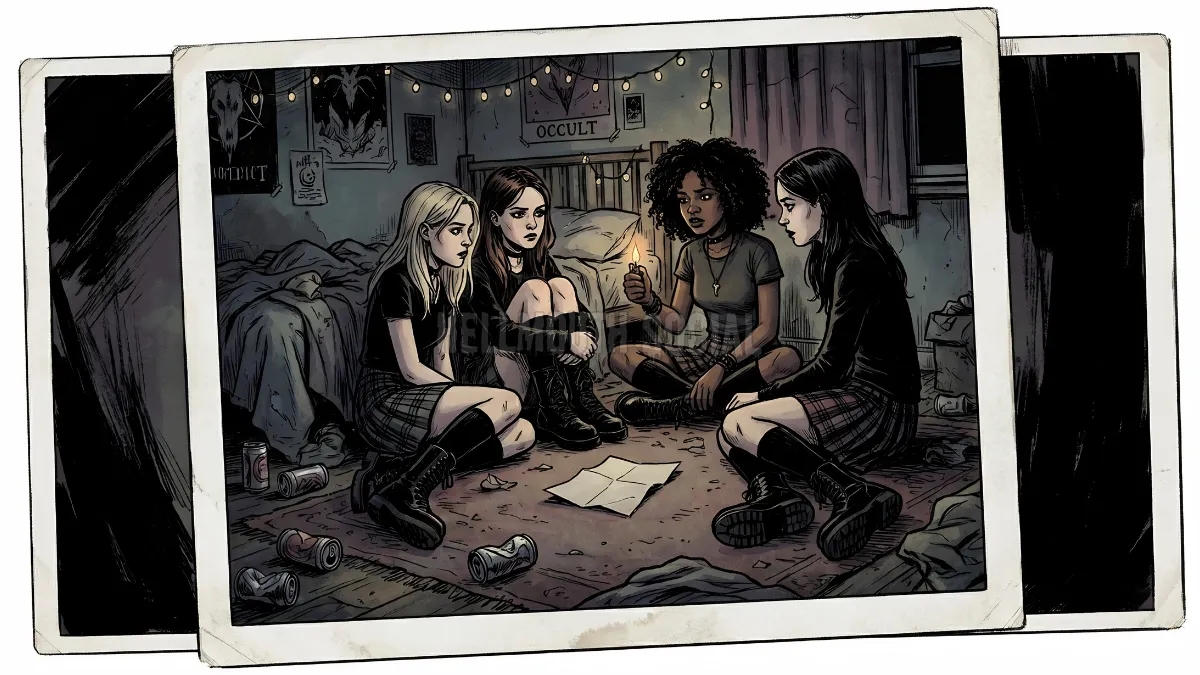
We Invited the Fourth: Why 90s Witchcraft Was Just Early Slacktivism
Listen, if you didn’t spend at least one Friday night in 1996 sitting in a circle on a basement floor trying to make your best friend levitate while chanting "Light as a feather, stiff as a board", did you even have a childhood? Or were you just well-adjusted?
The Craft wasn't just a movie for those of us caught in that weird Xennial "Latchkey Kid meets Internet 1.0" vacuum; it was a blueprint. We were the last generation to have a "mysterious" aesthetic that wasn't immediately debunked by a five-second search on a smartphone. Back then, if you wanted to be an outcast, you had to actually go to the mall, buy a choker that gave you a rash, and stare intensely at people near the Food Court.
Now, as 40-somethings, our version of "invoking the corners" is just trying to remember which corner of the kitchen we left our reading glasses in. Looking back at Sarah, Nancy, Bonnie, and Rochelle through the lens of 2026 sociology is a trip — mostly because we realized that the "magic" was really just a coping mechanism for the fact that being a teenage girl in the 90s was basically a sociological Hunger Games without the cool bows and arrows.
1. From "Light as a Feather" to "Heavy as My Mortgage"
In 1996, the stakes were simple: we wanted to change our hair color, make the cute guy in pre-calc notice us, or — if we were feeling particularly Nancy-ish — ruin the life of the local bully. Sociologically speaking, The Craft captured that peak "Third Wave Feminism" energy where we were told we could have all the power, but the world still treated us like we were one bad mood away from being institutionalized.
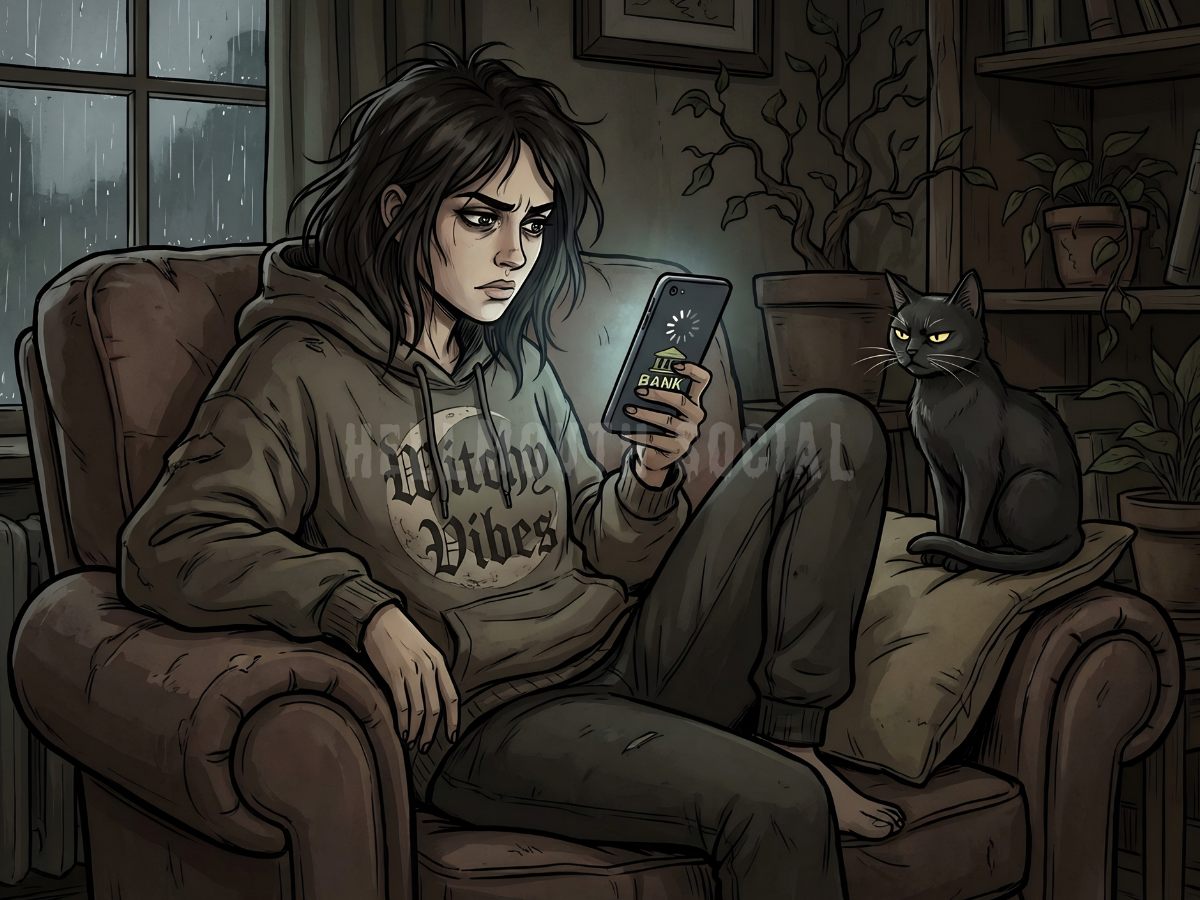
Today, the "power" we seek is significantly more mundane. We aren't casting spells to stop a stepfather’s heart; we’re casting "Unsubscribe" on marketing emails we don't remember signing up for. The film dealt with Internalized Misogyny and Social Hierarchy by literally having the girls claw each other's eyes out once they got a taste of authority.
In 2026, we’ve traded the ritual daggers for passive-aggressive Slack messages and "per my last email". We’ve realized that the "Manon" of the adult world is just a high-interest savings account and a solid therapist.
2. The Original Influencers Didn't Have Ring Lights
Let’s talk about the Group Polarization Effect. In the movie, the girls get together and their collective bad ideas become exponentially worse. That’s basically what happens on a neighborhood app today when someone sees a suspicious squirrel, but back then, it required physical proximity. We had to actually hang out to become a coven.
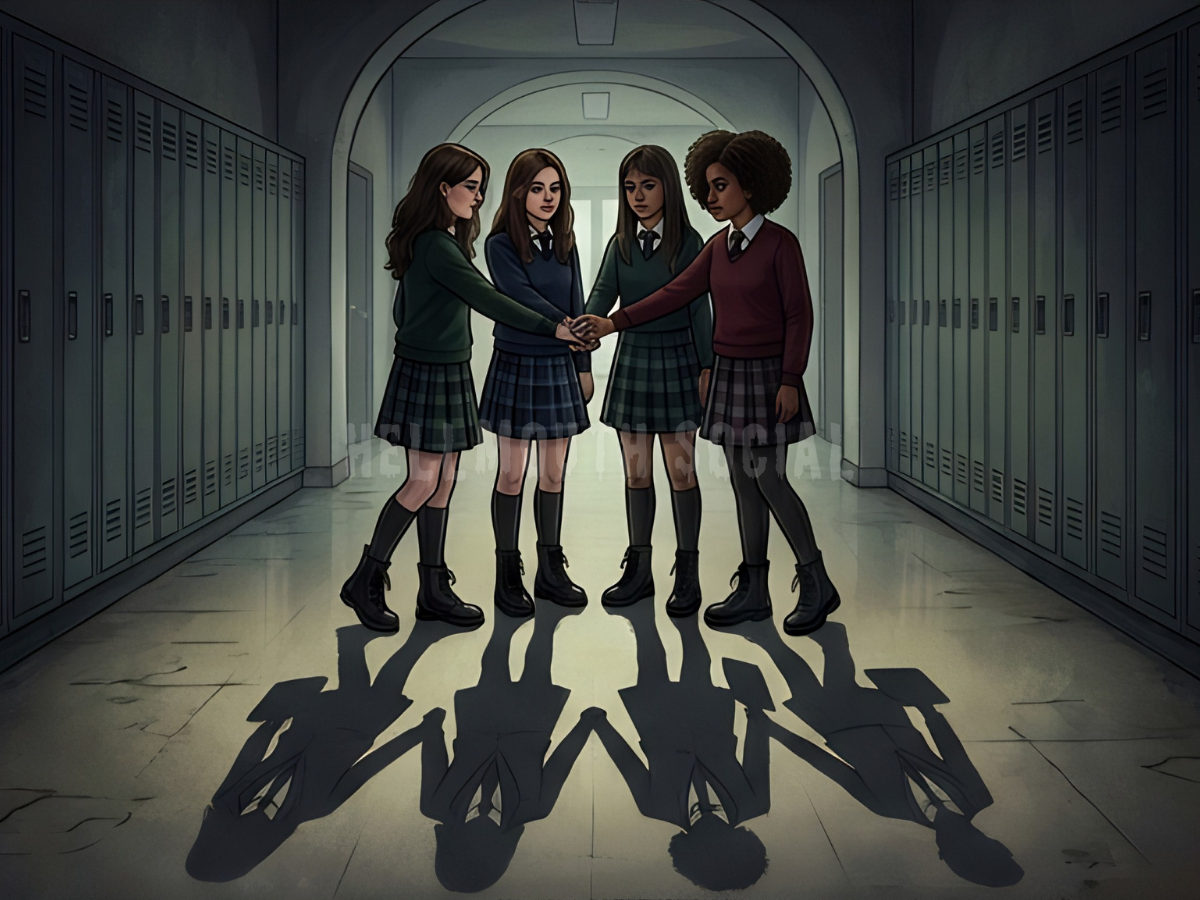
There’s a specific brand of 90s Social Identity Theory happening in The Craft. They were the weirdos, a label they wore like a badge of honor because, in a pre-algorithmic world, being weird meant you were authentic. Now, "weird" is a curated aesthetic you can buy for $19.99 at a big-box store.
We used to walk into a specialty shop and feel like we were entering a forbidden realm; now, we just get targeted ads for crystal-infused water bottles because we talked about a headache within earshot of our smart speakers. The rebellion has been commodified, and frankly, I miss when being an outcast didn't require a hashtag.
3. Binding Your Enemies (And Your Lower Back Pain)
The core message of The Craft was "be careful what you wish for", which is a very Xennial cautionary tale. We were the generation promised the world if we just followed our dreams, only to realize the "Rule of Three" applies heavily to student loans and inflation. When Sarah binds Nancy from doing harm, she’s essentially performing an intervention.
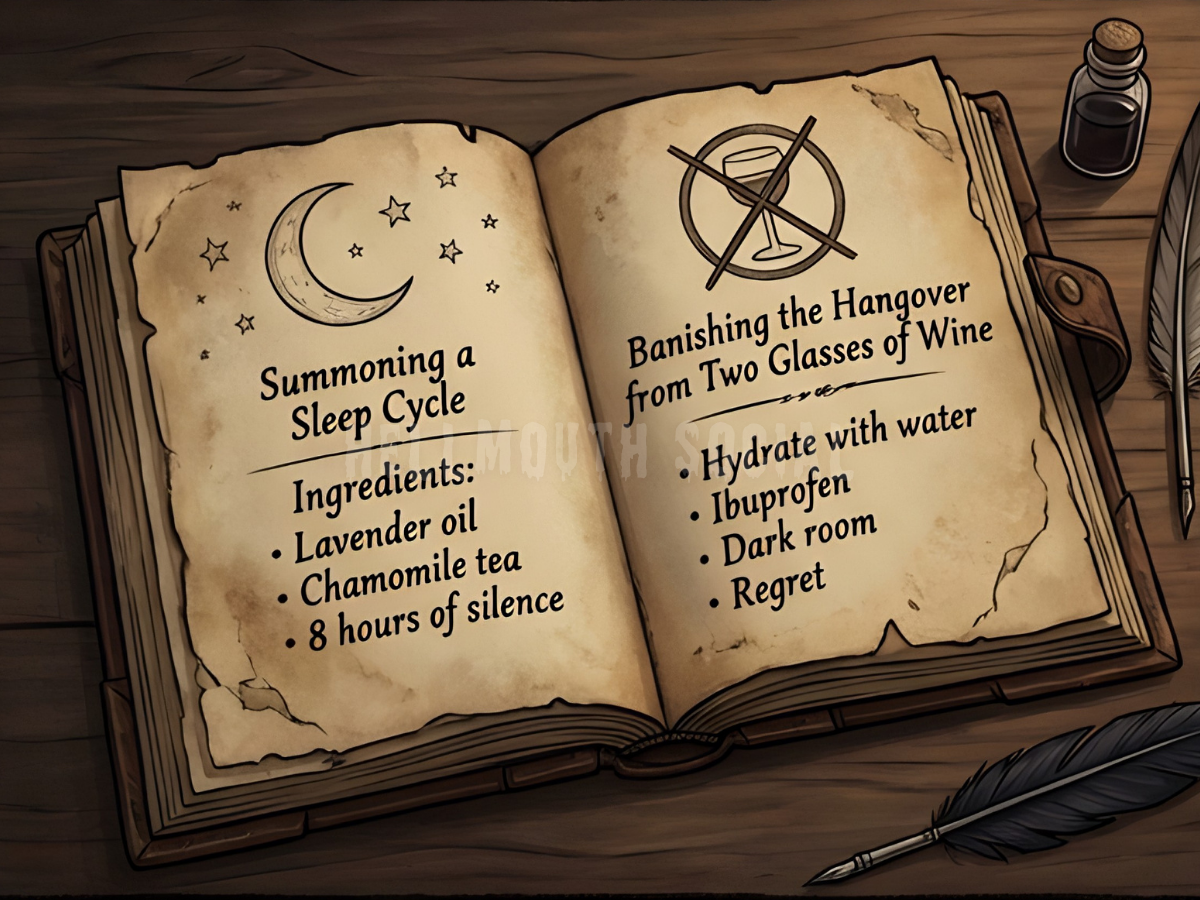
In today's sociological climate, we call this Setting Boundaries. Back then, it involved snakes, mirrors, and a lot of screaming on a beach. Now, it’s just muting your toxic aunt on social media. We’ve moved from "I bind you, Nancy" to "I am protecting my peace, Nancy".
The movie highlighted the Precarity of Female Friendships under the pressure of the male gaze — because, let’s be real, half their problems started because of a guy named Chris who probably grew up to be a crypto-bro. As adults, we’ve learned that the real magic isn't summoning a thunderstorm; it’s finding a group of friends who actually show up for the brunch you planned three weeks ago.
The Power of Three (Decades Later)
We watch The Craft now and realize we weren't actually witches; we were just bored, hormonal, and lacked a reliable internet connection. We used the supernatural to explain the terrifying shifts of puberty and the social dynamics of high school because "The Patriarchy" wasn't a term we were using in daily conversation yet.
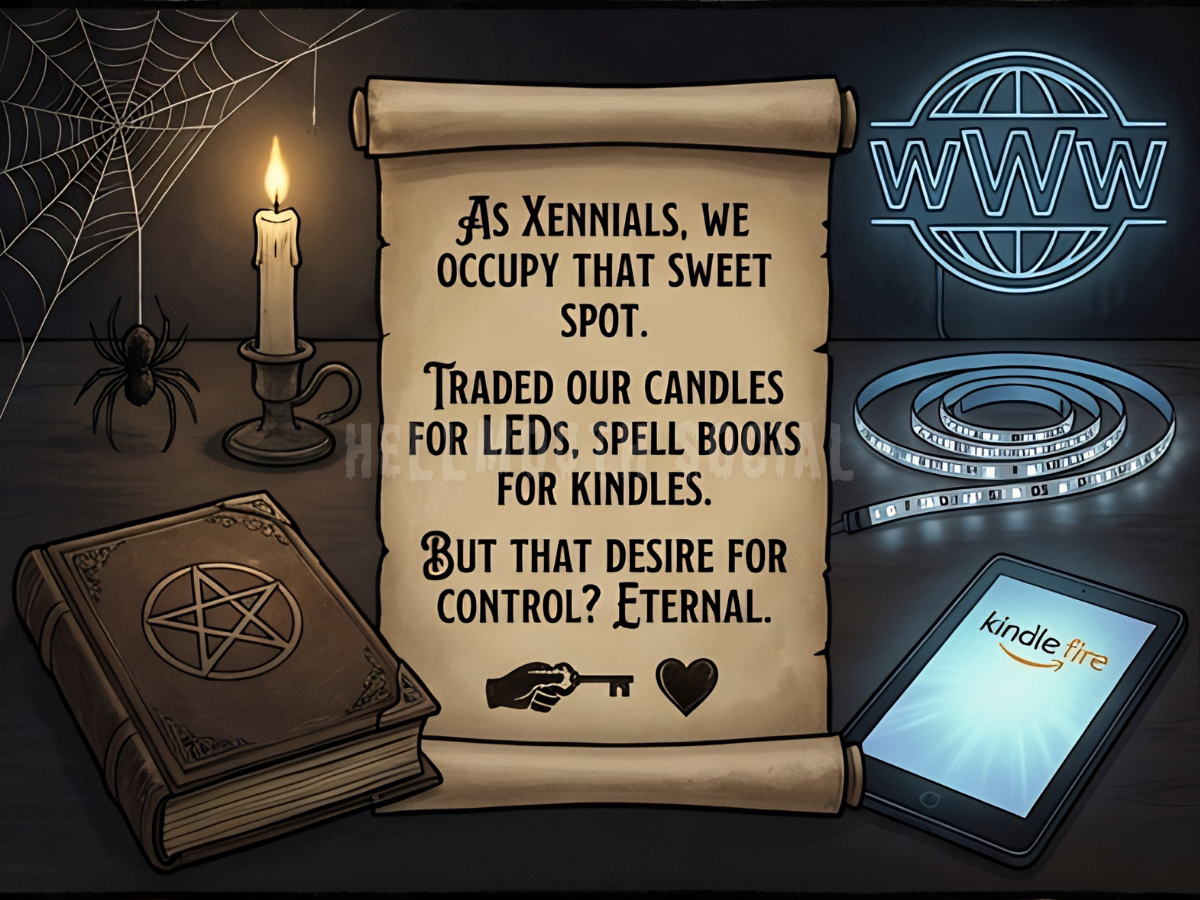
As Xennials, we occupy that sweet spot of remembering when a "web" was something a spider made, not something we were trapped in for 10 hours a day. We’ve traded our candles for LED strips and our spell books for Kindle Fires, but that core desire to feel like we have a shred of control in a chaotic world? That’s eternal.
So, tonight, maybe skip the ritual in the woods. Your knees can’t handle the kneeling, and there are ticks out there now that didn't exist in 1996. Just light a scented candle (the one that smells like "expensive laundry"), put on a face mask, and remember: we are the weirdos, Mr. Miller. We’re just the weirdos who have to get up for a 9:00 AM Zoom call tomorrow.
Do you think we actually lost our "magic", or did we just trade it in for the ability to identify a scam text from five miles away?