Custom
AI-Generated Designs for Creators Who Sell
Order custom t-shirt art, wall prints, clipart sets, and more — all tailored to your exact style!
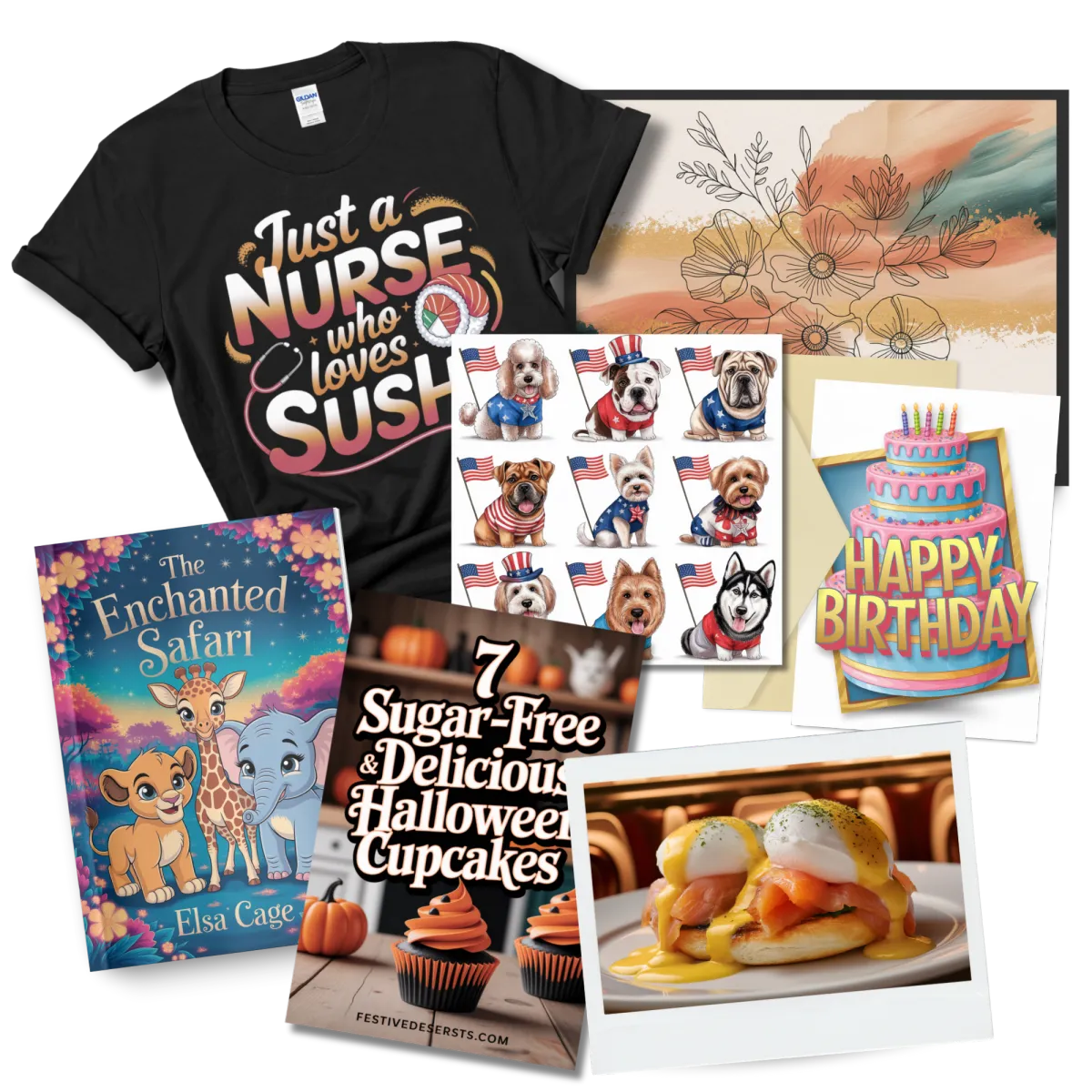



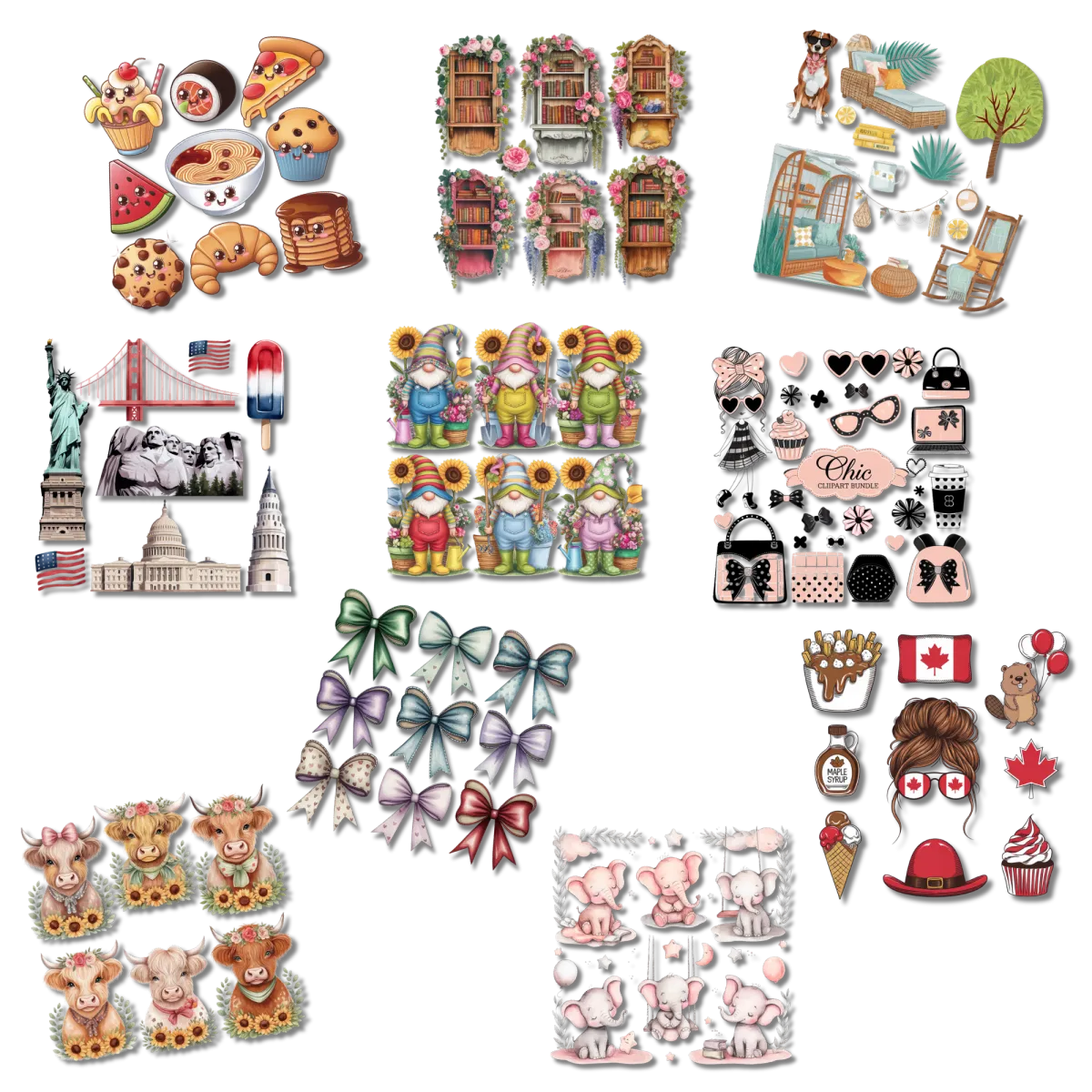
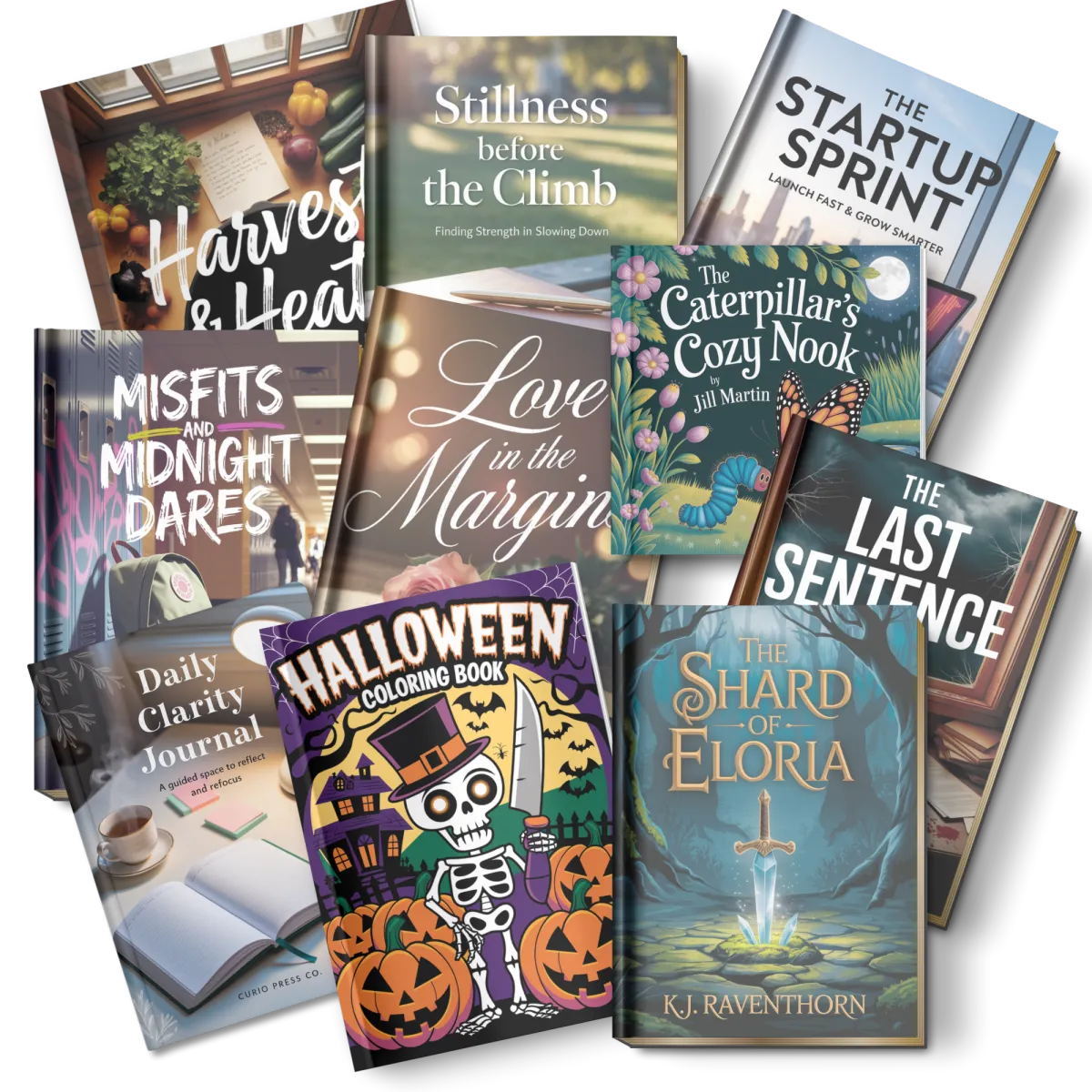
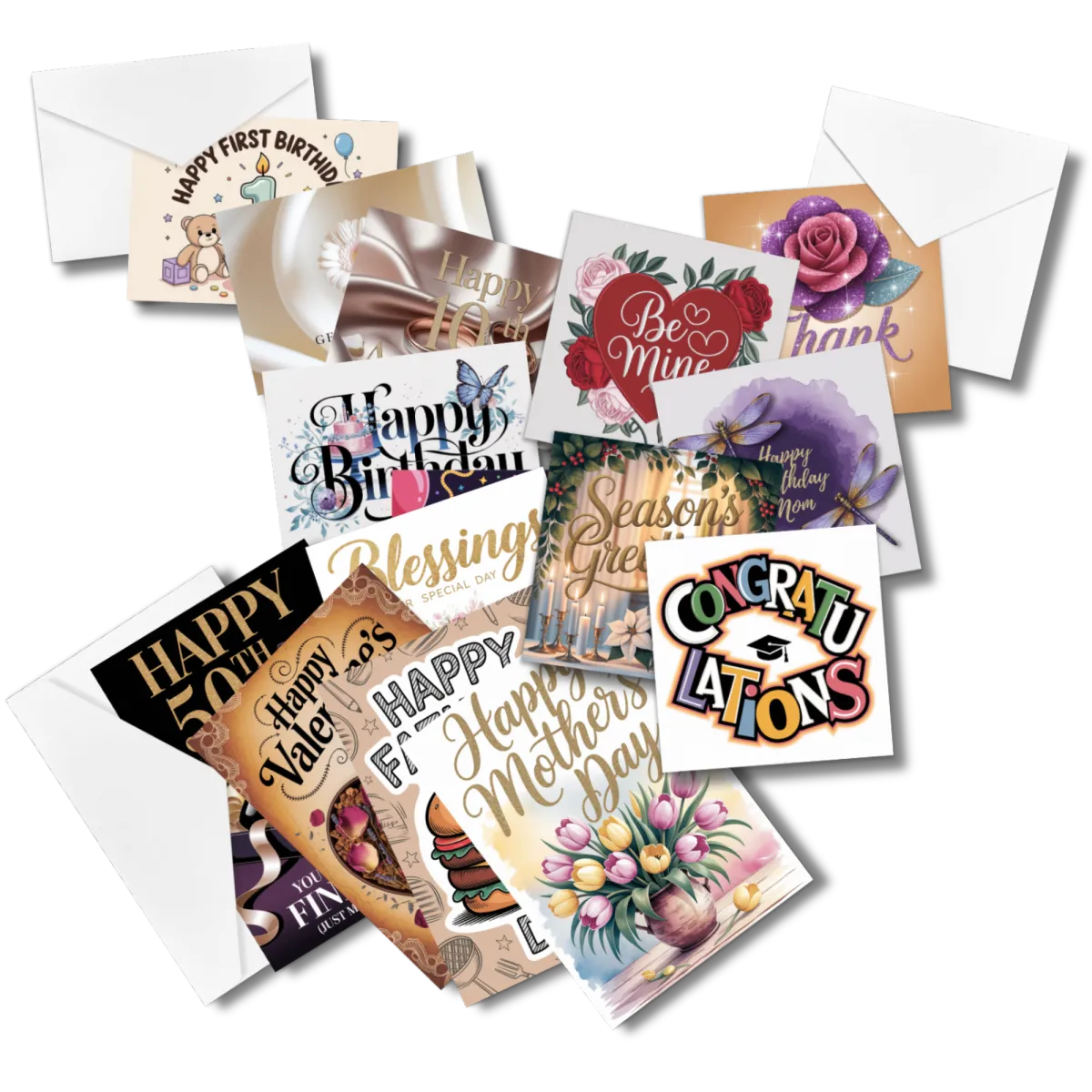
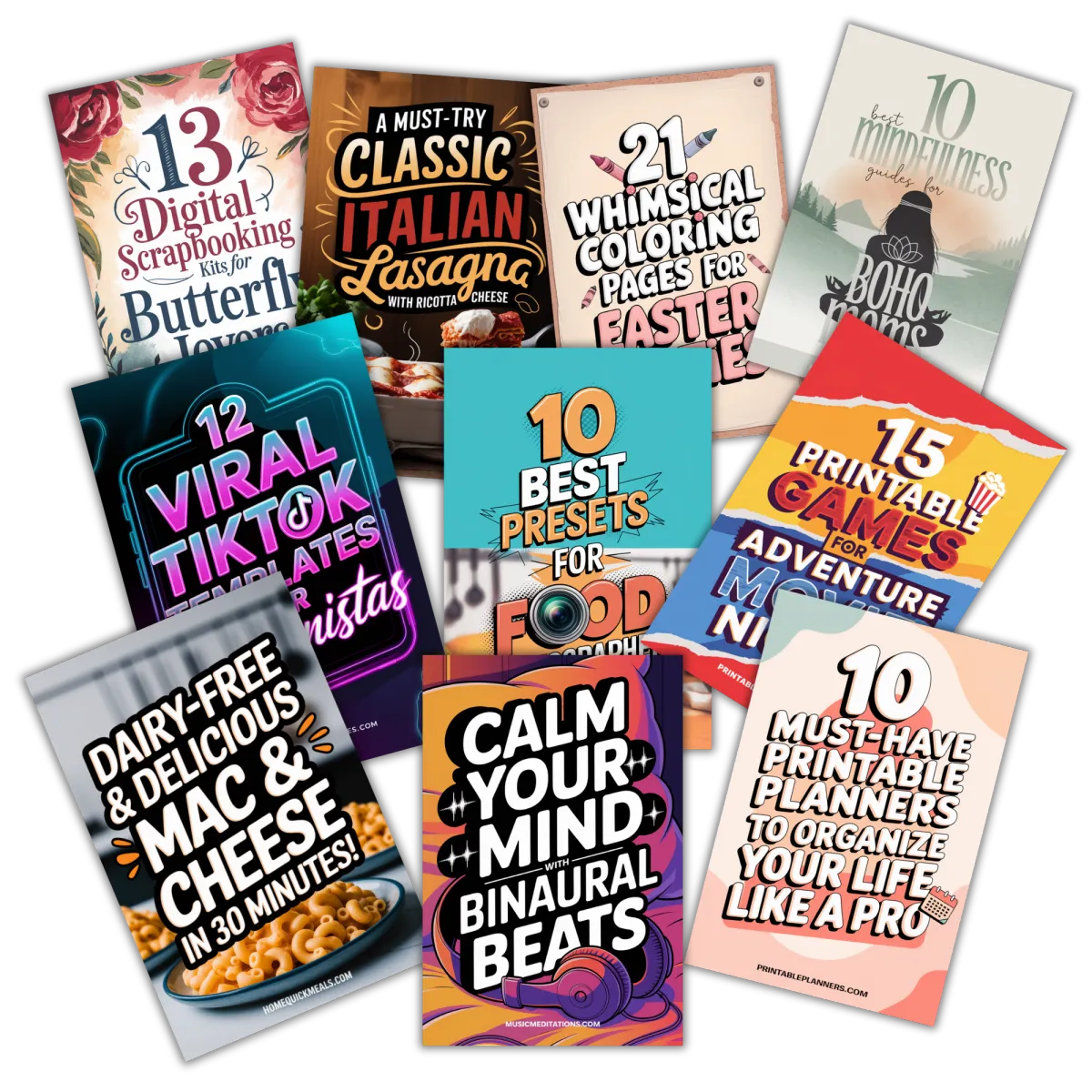
In need of stunning images for your next project?
Let me help you by crafting accurate prompts to generate amazing quality outputs using Ideogram — no guesswork, no fluff. Whether you need bold t-shirt designs, cute clipart sets, moody book covers, or scroll-stopping Pinterest pins, I’ll handle the creative direction so you can focus on what you do best: creating, selling, and growing your brand. Pick your image type below, fill out a quick form, and I’ll take care of the visuals.
Hello There!
Hey, I’m Asha — your AI design whisperer! Fueled by caffeine and Ideogram, I use custom prompts and creative strategy to turn everyday ideas into scroll-stopping designs for shirts, prints, pins, and more. No fluff. No filler. Just clean, custom visuals you can actually use commercially.

Want a closer look at my design style?
I've built an impressive gallery of designs that should give you an idea as to the type of images I can create for you - especially for black colored apparel. Hit that button below and explore my public profile on Ideogram.

Custom AI-generated images made simple
How the Process Works

Step 1
Choose your design type + fill out a form.

Step 2
Pay 50% deposit and I get to work.

Step 3
Pay for the completed work and get your final files.
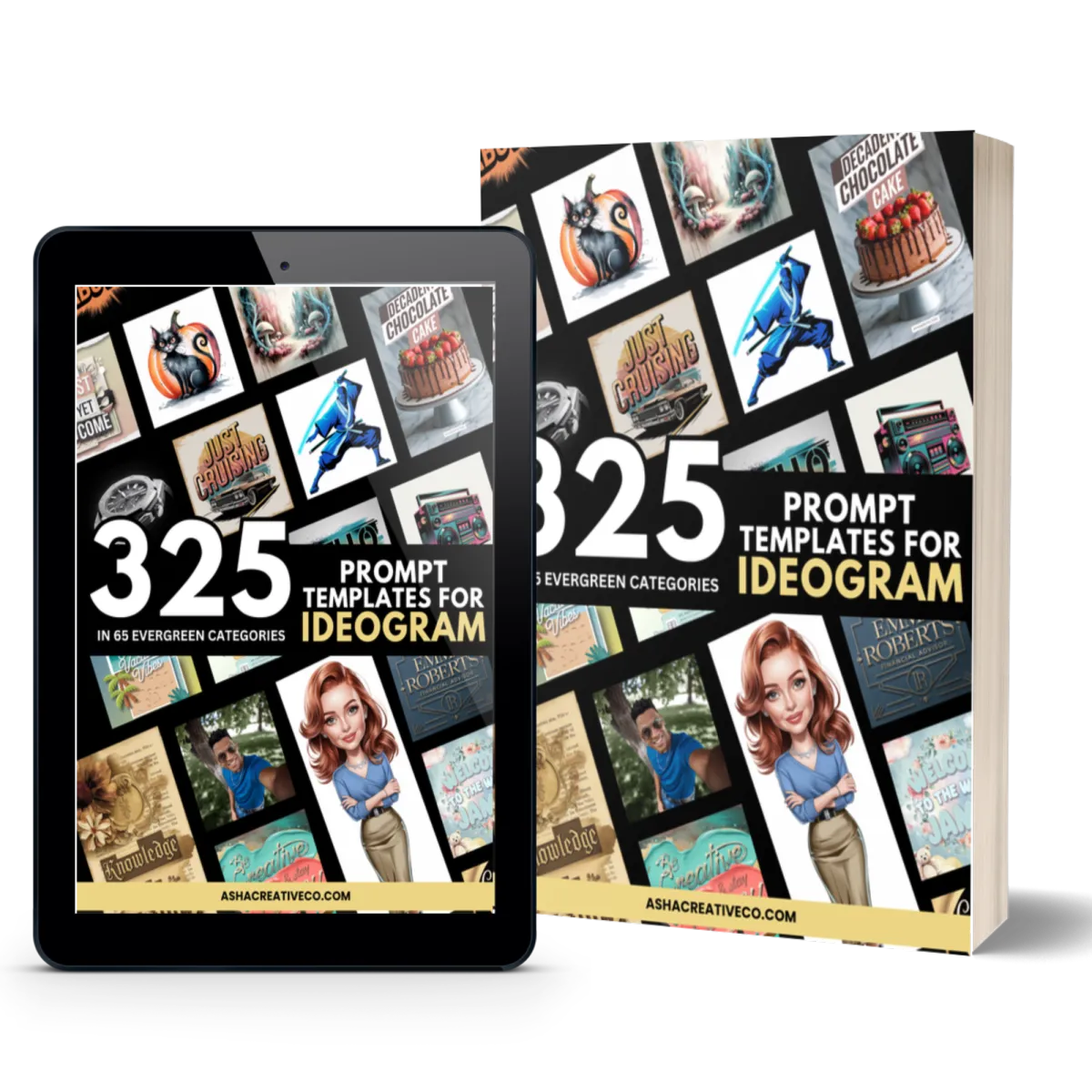
Want to Create Your Own Designs Like I Do?
Grab my exact prompt system and start designing with confidence in Ideogram.
Latest from the Blog
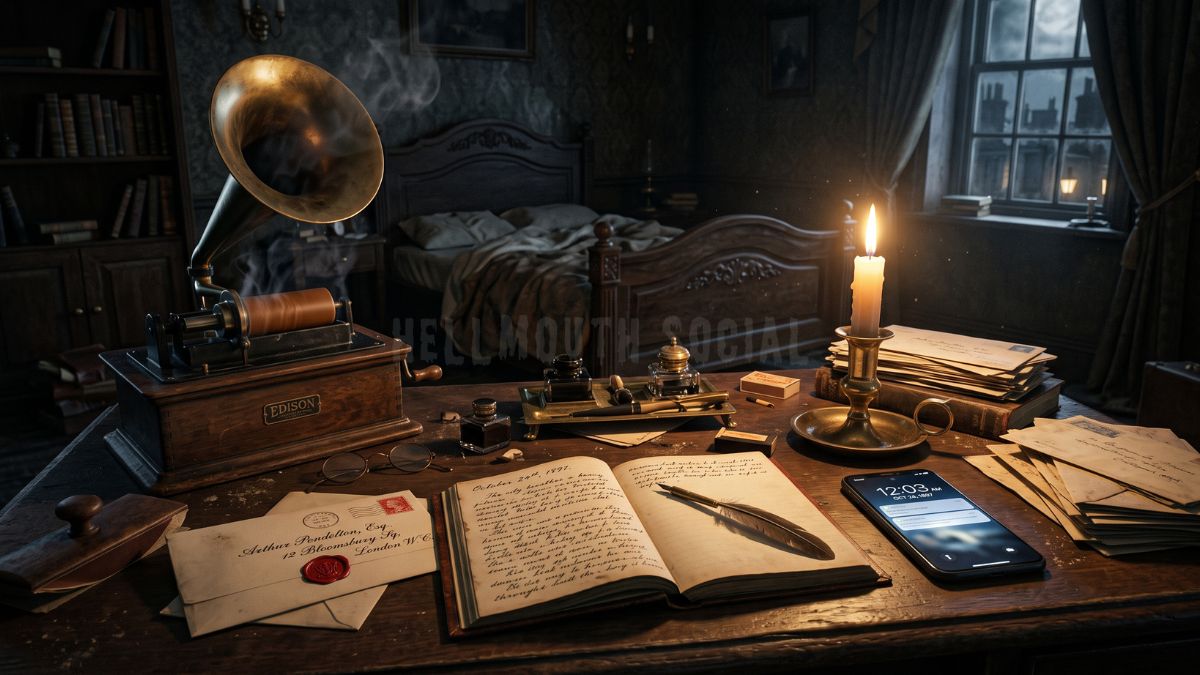
What's Your Bram Stoker's Dracula Coping Mechanism?
We didn't rent Bram Stoker's Dracula for the plot. Let's just get that out of the way. We rented it because Gary Oldman had a ponytail and blue sunglasses and somehow made that a whole personality, because Winona Ryder was doing the most with a corset, and because the trailer promised "love never dies" like that was a comfort and not a threat. We were fourteen. We did not know what we were signing up for. We knew it had a rating our moms raised an eyebrow at, and that was basically a recommendation.
What we did not clock at fourteen — busy as we were memorizing the cheekbones — is that this movie is not actually about a vampire. It's about a group of Victorian people who have never once been asked "how are you feeling," so instead they write it down, drink it, inject it, or get on a boat. Every object in this film is quietly doing the job a modern person would outsource to a Notes app, a bottle of Sauvignon Blanc, or a 45-minute voice memo to their best friend titled "don't listen to this at work."
Rewatching it now, in the actual throes of midlife, hits different. It's not a horror movie. It's a movie about coping mechanisms in petticoats, and we already own every single one of them.
Quick Reorientation
You know the shape of this story even if the details have gone soft with time: a nice young solicitor named Jonathan gets sent to Transylvania to close a real estate deal and comes back Not Great. A very old, very lonely count reinvents himself in London because he thinks he's found his dead wife's face on a stranger.
That stranger's best friend gets courted by three men at once and pays for it dearly. A Dutch professor shows up to explain everyone's trauma to them with visual aids. And one very unwell man in an asylum keeps eating bugs and being, weirdly, the only honest person in the entire film.
Nobody in 1897 had language for "I'm not okay." What they had were props. Let's go through them.
1. The Diary — Processing a Feeling Only Once It's Been Turned Into a Caption
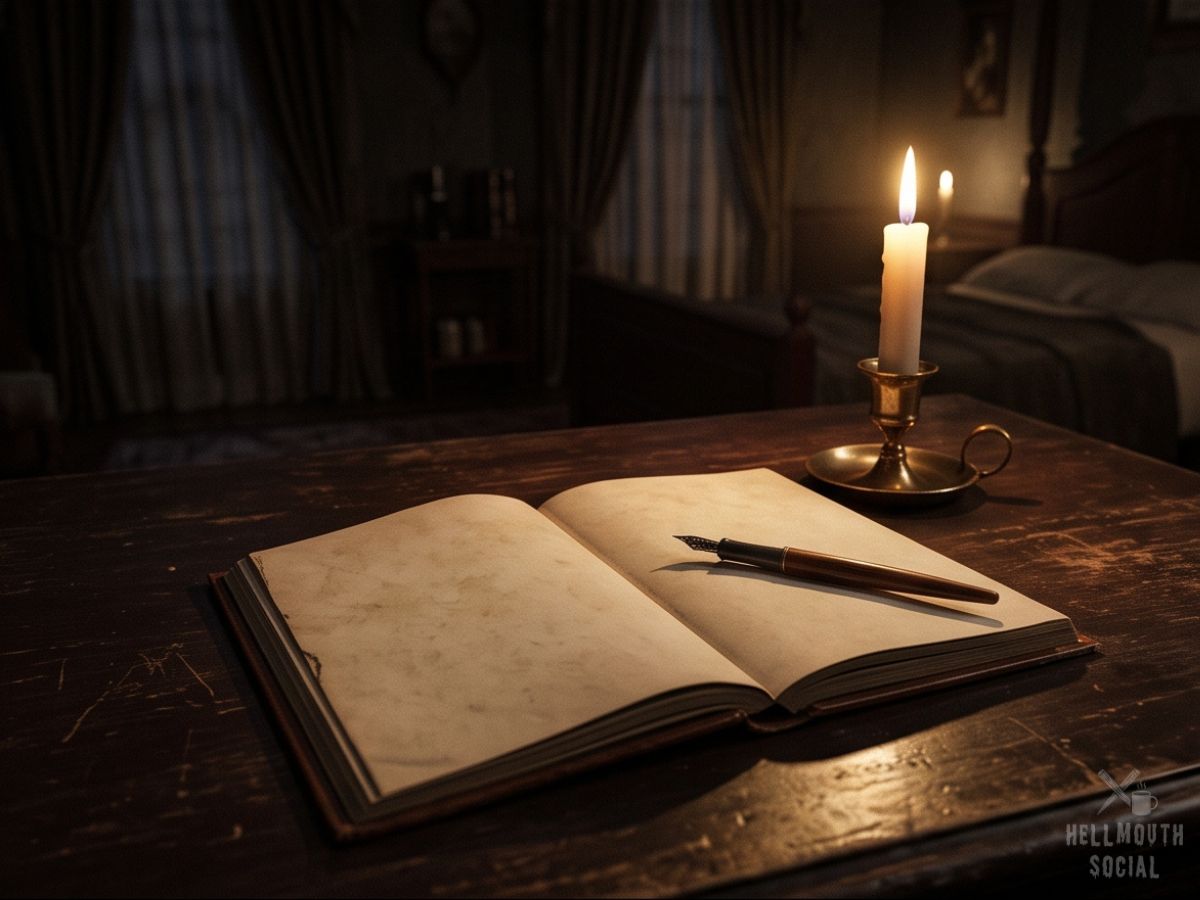
Jonathan writes in his diary the second he suspects something is wrong in that castle, in shorthand, like a man laying down evidence for a trial nobody's asked for yet. Mina does the same. Half this movie is two people narrating their own unraveling to a notebook because saying it out loud, to an actual person, was apparently a bridge too far.
This is you if you didn't fully feel a thing today until you found the exact right words for it in a caption, a journal, or a very long text to one (1) trusted friend, sent at 11:47pm, that begins with "ok this is going to sound unhinged but."
2. The Letter — Saying the Hard Thing in Writing Because Saying It Out Loud Feels Like Too Much
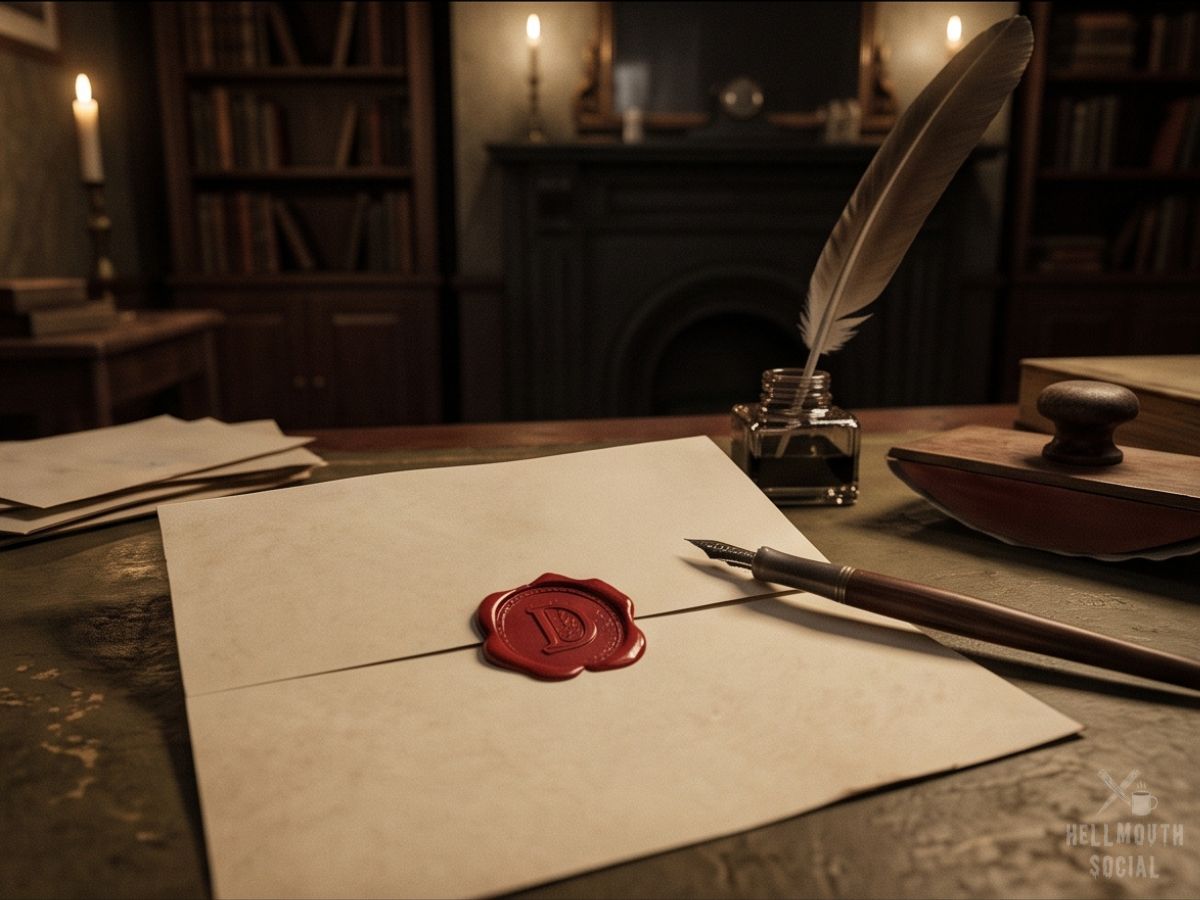
This entire plot runs on letters — posted, delayed, intercepted, read by the wrong person, arriving three scenes too late to save anyone. Nobody in this movie has a direct conversation if a piece of paper can have it for them.
Modern translation: you will absolutely text the hard thing. You will not call. Calling implies a live, unedited version of yourself might slip out, and we cannot have that. The paragraph gets drafted, redrafted, sent, and then you put your phone face-down like it might bite you back.
3. Blood — Giving Until You're Drained, Then Acting Surprised You're Drained
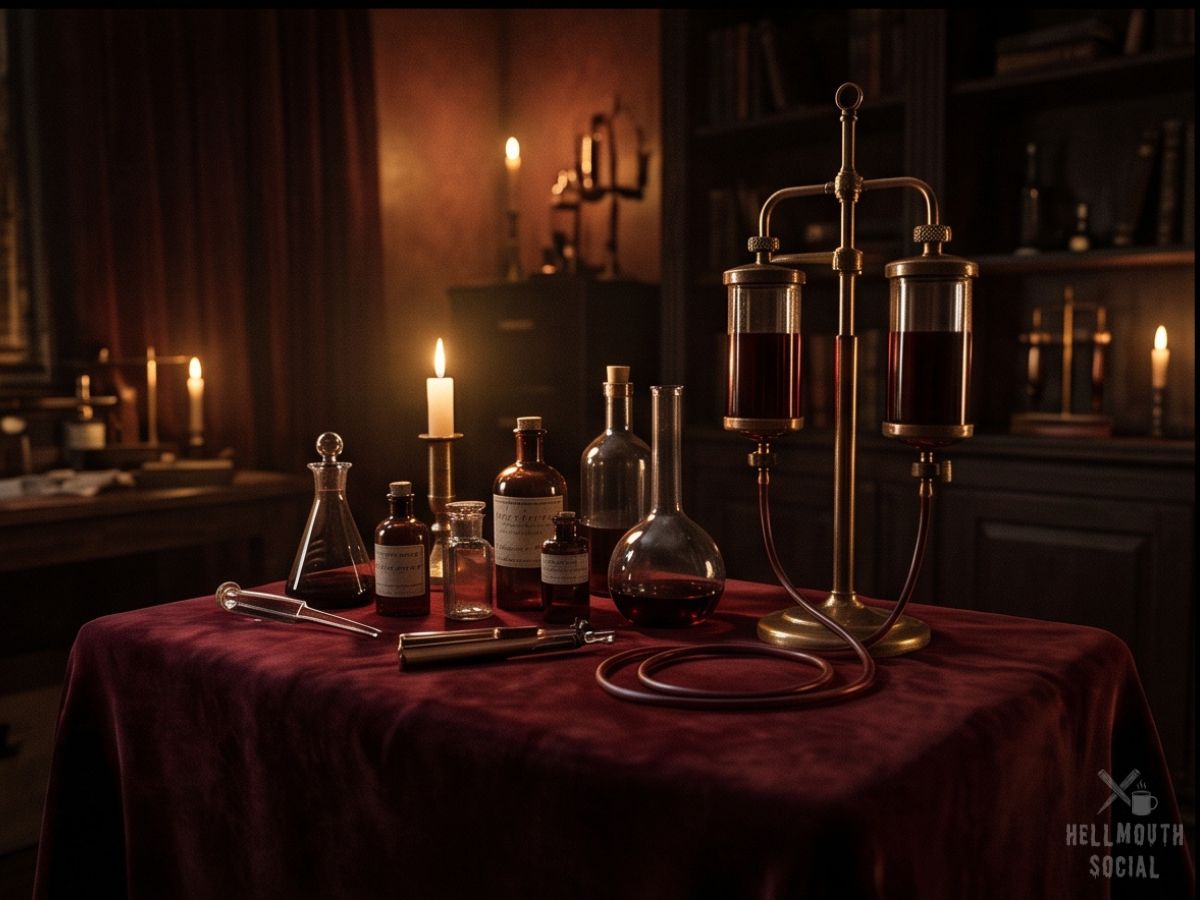
Poor Lucy gets transfusion after transfusion from a rotating cast of men who love her, and every time, she perks up for about a day before she's pale and depleted again, because nobody addresses the actual problem — they just keep topping off the tank and calling it treatment.
This is every woman who has given her last reserves to a job, a household, a group chat, a parent, a partner, and then genuinely acted shocked when she hit empty. You are not a transfusion bag. You were never supposed to be a transfusion bag. And yet.
4. The Mirror With No Reflection — Not Recognizing the Person Staring Back
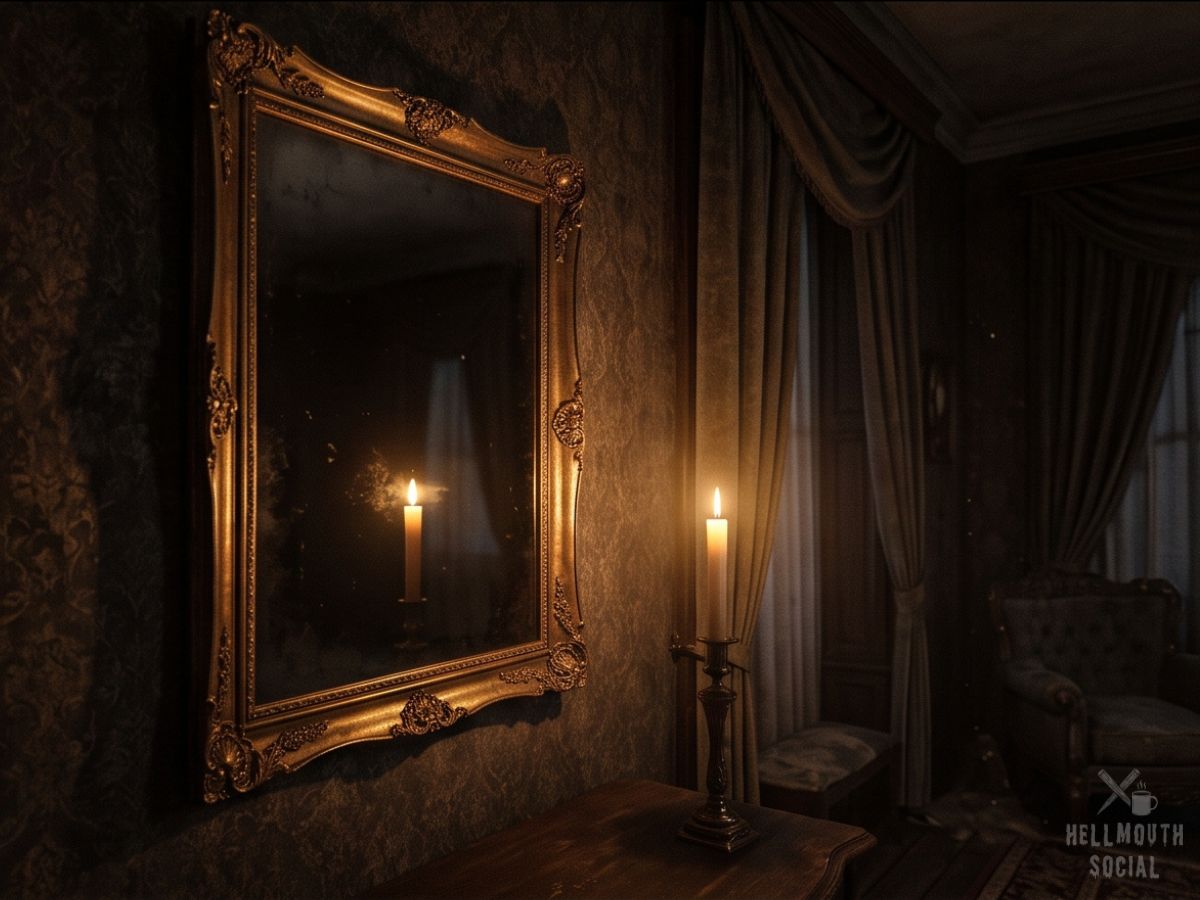
Dracula famously doesn't cast a reflection, which is a great party trick and an even better metaphor. The man has spent four hundred years becoming someone who no longer resembles who he started as, and the mirror simply refuses to participate in the fiction.
You know this one. It's the 3am spiral where you catch your own face in a dark window and think, genuinely, who is that. Not in a cute way. In a "when did I start doing my mother's exact sigh" way.
5. Absinthe — Medicinal Numbing, Dressed Up as a Treat
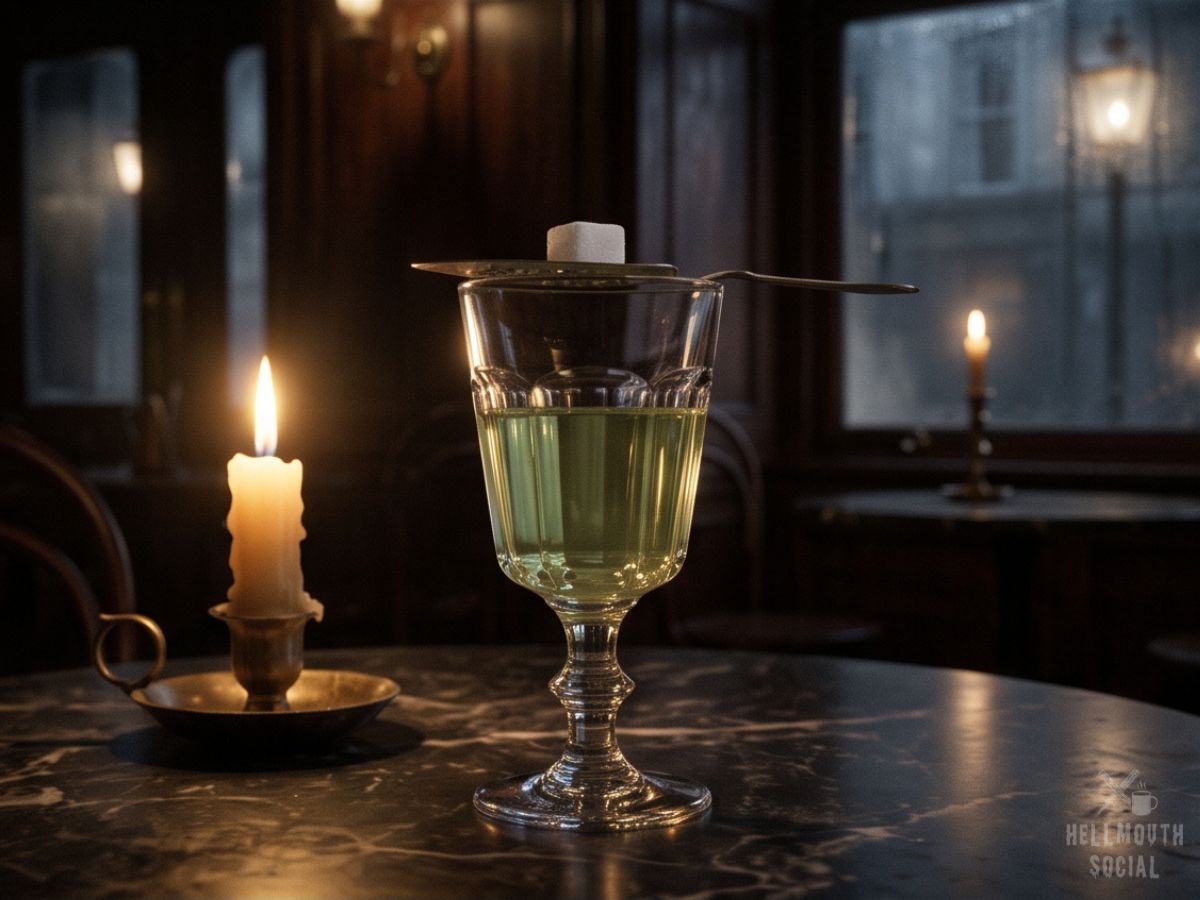
Lucy sips the green fairy at her own birthday party like it's a garnish and not a plot device, and within the hour she's dancing through a garden making decisions the movie will spend the next ninety minutes punishing her for.
We call it "mom wine" now. We call it "I deserve this". Same ritual, same slight blur at the edges, same next-morning group chat that starts with "so, last night."
6. Laudanum — Getting Managed Instead of Heard
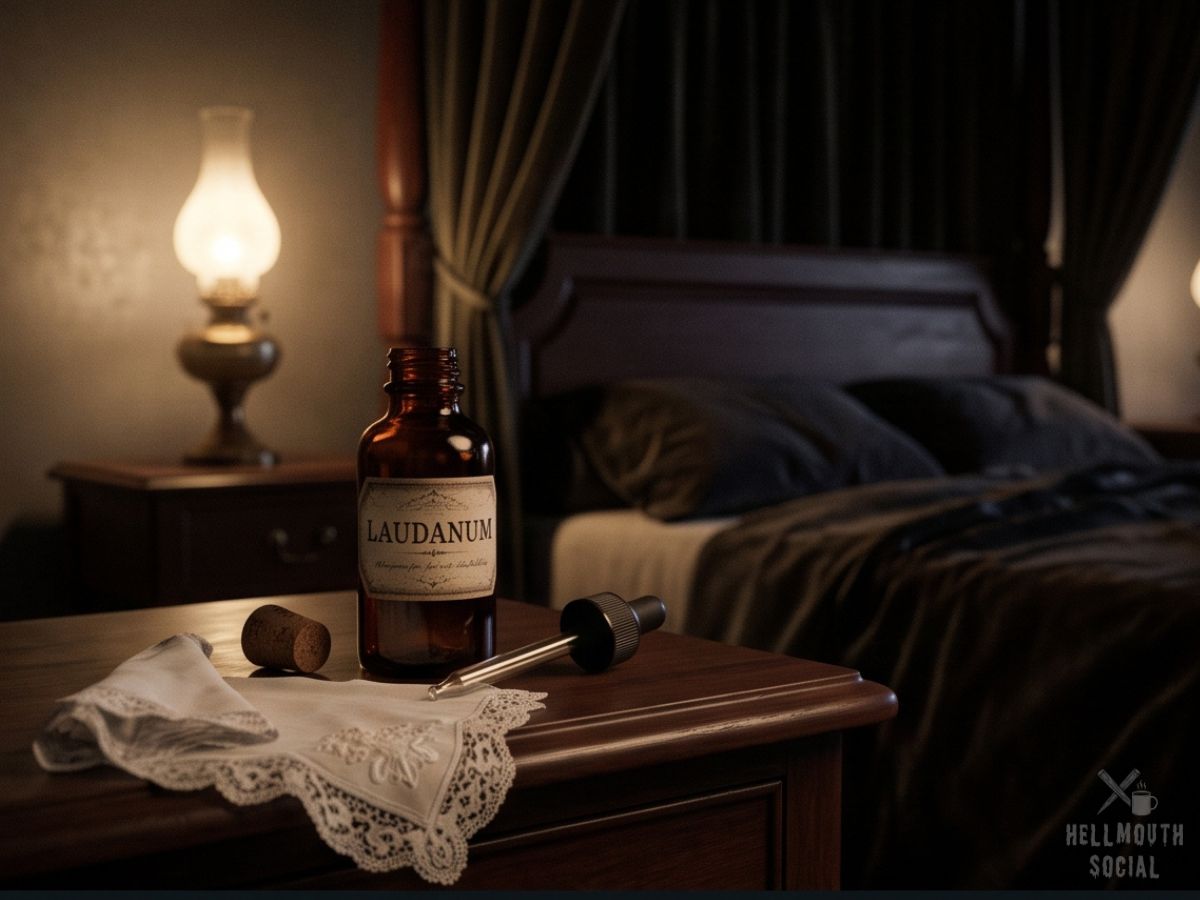
The second Lucy starts acting out — sleepwalking, saying true things too loudly, wanting what she wants — Dr. Seward's answer is to sedate her. Not talk to her. Not ask what's underneath it. Just quiet her down until she's manageable again.
This is every woman who has expressed a genuine feeling and been met with "have you tried drinking more water" or "you seem tired" instead of an actual question. You weren't tired. You were furious. Those are different, and only one of them gets taken seriously.
7. The Wolves and the Bats — Rage That Comes Out Sideways Because It Was Never Allowed to Come Out Straight
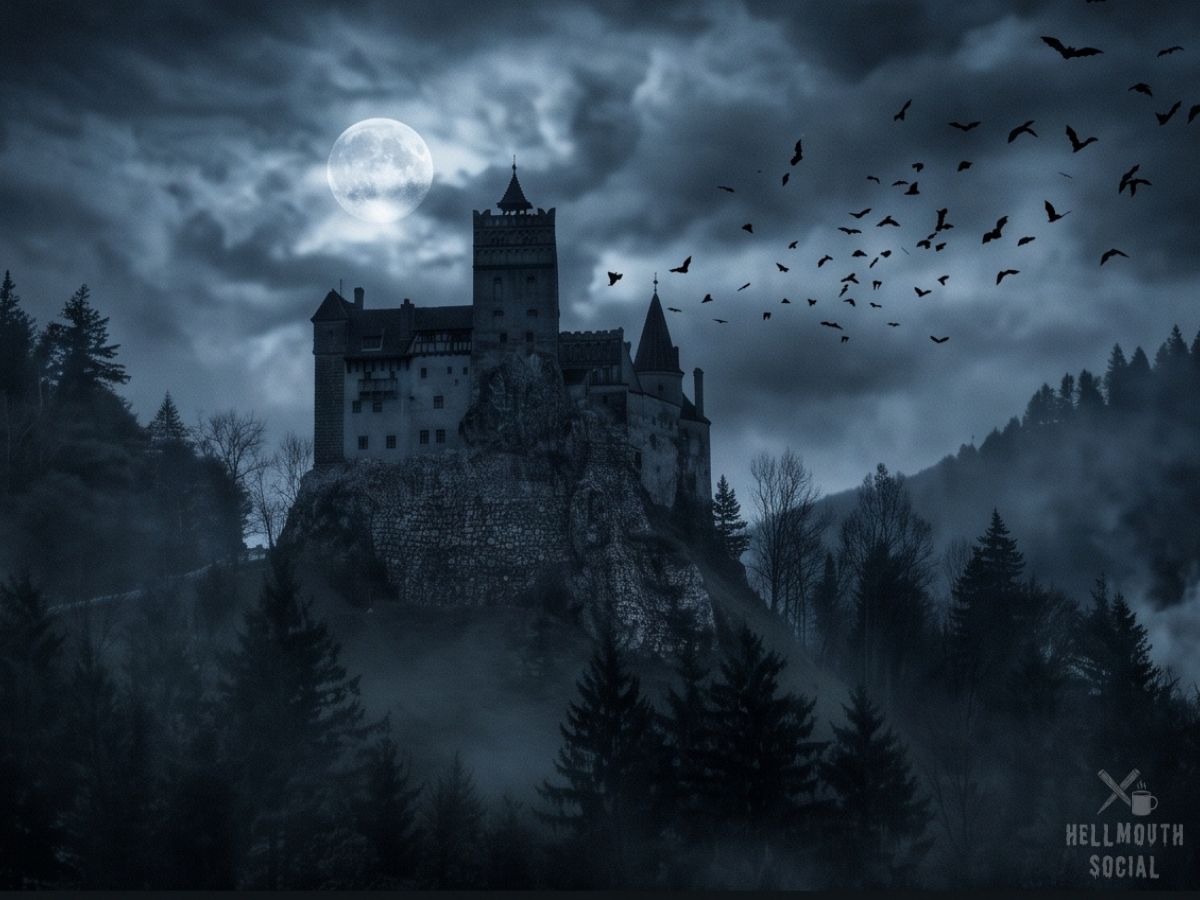
Nobody in this film is permitted a normal, human-sized emotion. So instead it curdles into transformation — wolves, bats, storms, a man crawling down the side of a castle like his skin can't hold what's inside it anymore.
Translation: the thing where you're "fine" through eleven genuinely difficult interactions and then completely combust over someone leaving one dish in the sink. That dish did nothing. The dish is Van Helsing showing up three scenes too late.
8. The Phonograph — Talking to Yourself Out Loud Because No One Else Is Available to Listen
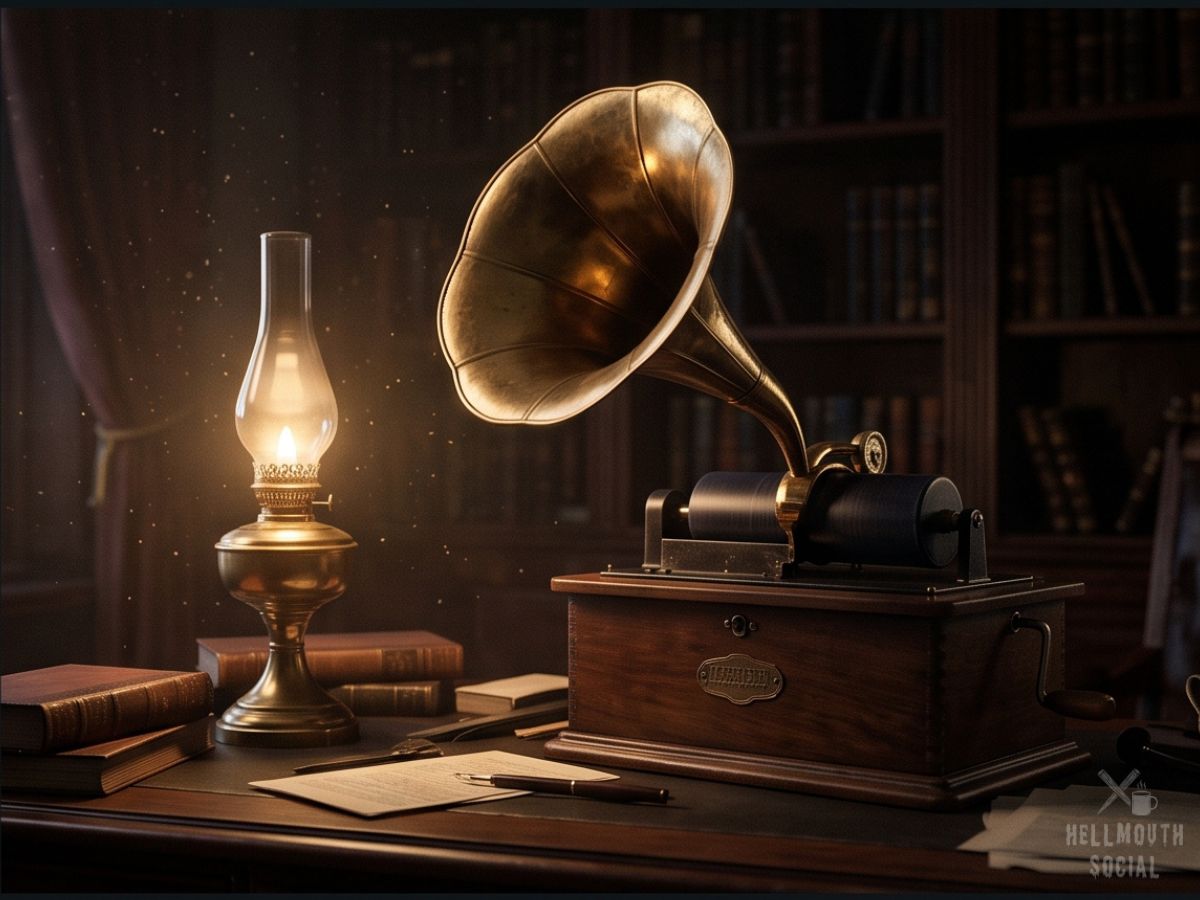
Dr. Seward records his private diary entries into a wax cylinder — essentially voice-memoing his own descent — because there's no one in his actual life he trusts to say it to.
We just call this a podcast now, or a very long voice memo to a friend who's asleep in a different time zone, or narrating your day out loud to your dog because he's the only one in the house who isn't going to ask a follow-up question you don't have the energy for.
9. The Ships and the Trains — The Fantasy That If You Just Physically Leave, the Problem Stays Behind
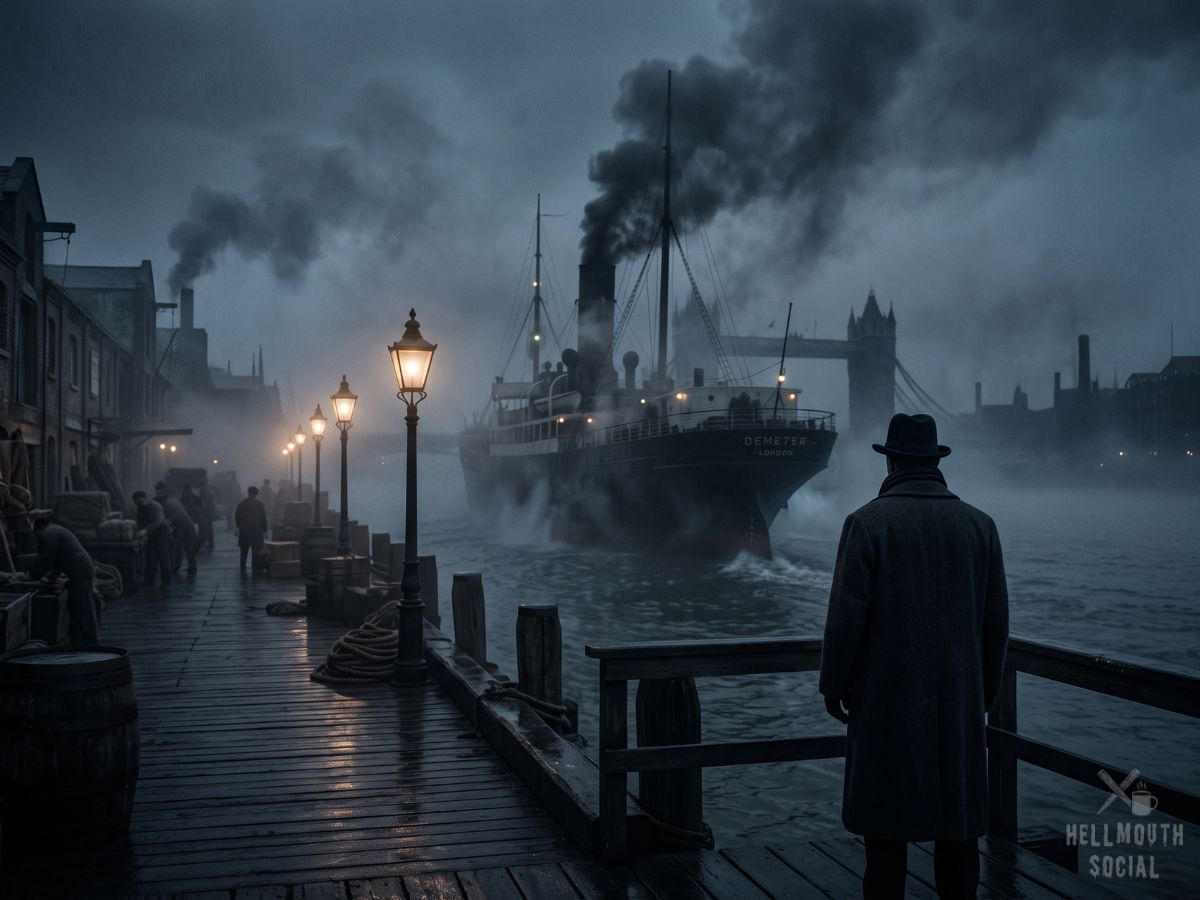
So much of this movie is people getting on a boat or a train to escape something, most notably Dracula himself, who ships an entire coffin's worth of soil across the ocean rather than deal with four hundred years of unresolved feelings on his home turf.
This is "I just need to get away" as a coping mechanism instead of an actual plan. Spoiler, for him and for us: you can absolutely take the trip. The feelings pack themselves and come too.
10. The Wedding Ring — Commitment as Both the Thing That Saves You and the Thing That Cages You
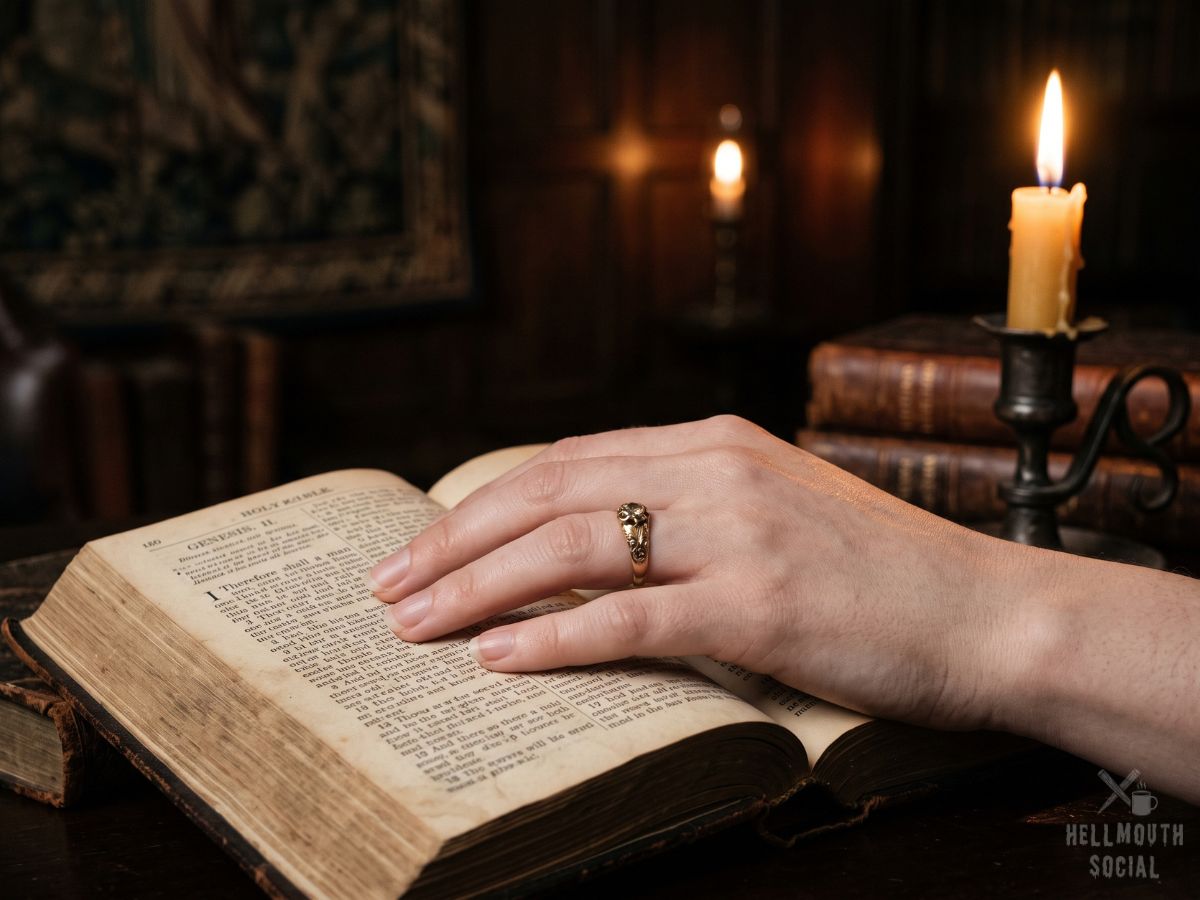
Mina and Jonathan's marriage is presented as the film's one stable, salvageable thing — and also, structurally, the thing everyone is fighting to protect her into, whether she's fully been consulted on the terms or not.
"Till death do us part", now with a mortgage, two kids' school pickup schedules, and a group chat named after your last vacation that nobody's posted in since. It's not fake. It's just doing a lot more emotional load-bearing than anyone advertised on the tin.
Zoom Out Just a Bit
None of these are bad coping mechanisms, exactly. They're just what happens to a person who has feelings and no socially sanctioned place to put them. Dracula's characters didn't have therapists, group chats, or a wine aisle with a whole "mom" section. They had diaries, letters, absinthe, and a deep, correct suspicion of mirrors.
We've just swapped the props. The coping is identical.
So Which One Is Yours?
We already know it's probably more than one — you're the diary and the absinthe on different Tuesdays, and honestly, so is everyone reading this. But if you want the real answer, the one that's quietly been running your nervous system since 1992, we made you a quiz. Ten questions, one Carfax Abbey coping mechanism, zero judgment.
Take the quiz, and if it calls you out, that's between you and Winona (just sayin’...).