
Custom
AI-Generated Designs for Creators Who Sell
Order custom t-shirt art, wall prints, clipart sets, and more — all tailored to your exact style!
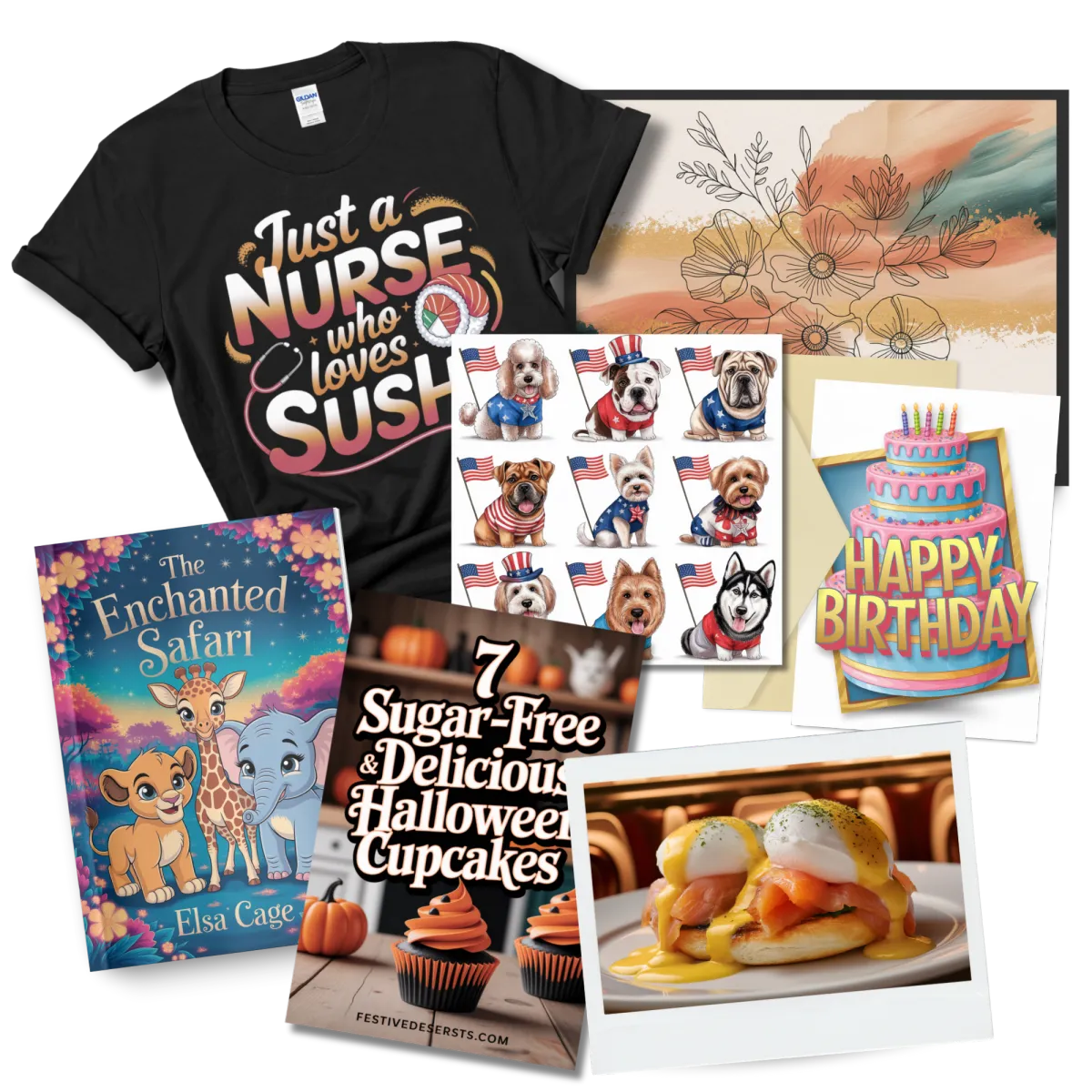



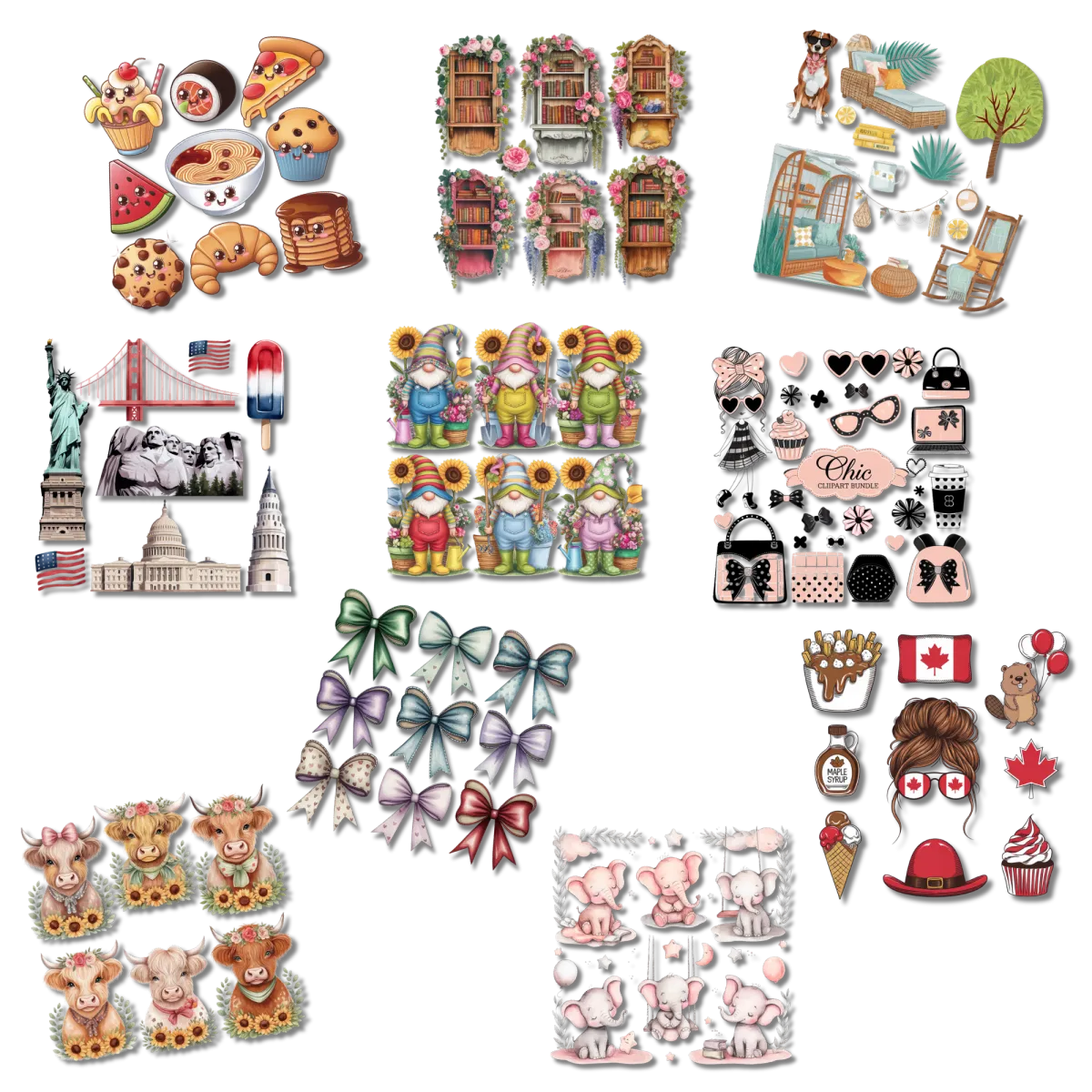



In need of stunning images for your next project?
Let me help you by crafting accurate prompts to generate amazing quality outputs using Ideogram — no guesswork, no fluff. Whether you need bold t-shirt designs, cute clipart sets, moody book covers, or scroll-stopping Pinterest pins, I’ll handle the creative direction so you can focus on what you do best: creating, selling, and growing your brand. Pick your image type below, fill out a quick form, and I’ll take care of the visuals.
Hello There!
Hey, I’m Asha — your AI design whisperer! Fueled by caffeine and Ideogram, I use custom prompts and creative strategy to turn everyday ideas into scroll-stopping designs for shirts, prints, pins, and more. No fluff. No filler. Just clean, custom visuals you can actually use commercially.

Want a closer look at my design style?
I've built an impressive gallery of designs that should give you an idea as to the type of images I can create for you - especially for black colored apparel. Hit that button below and explore my public profile on Ideogram.

Custom AI-generated images made simple
How the Process Works

Step 1
Choose your design type + fill out a form.

Step 2
Pay 50% deposit and I get to work.

Step 3
Pay for the completed work and get your final files.

Want to Create Your Own Designs Like I Do?
Grab my exact prompt system and start designing with confidence in Ideogram.
Latest from the Blog
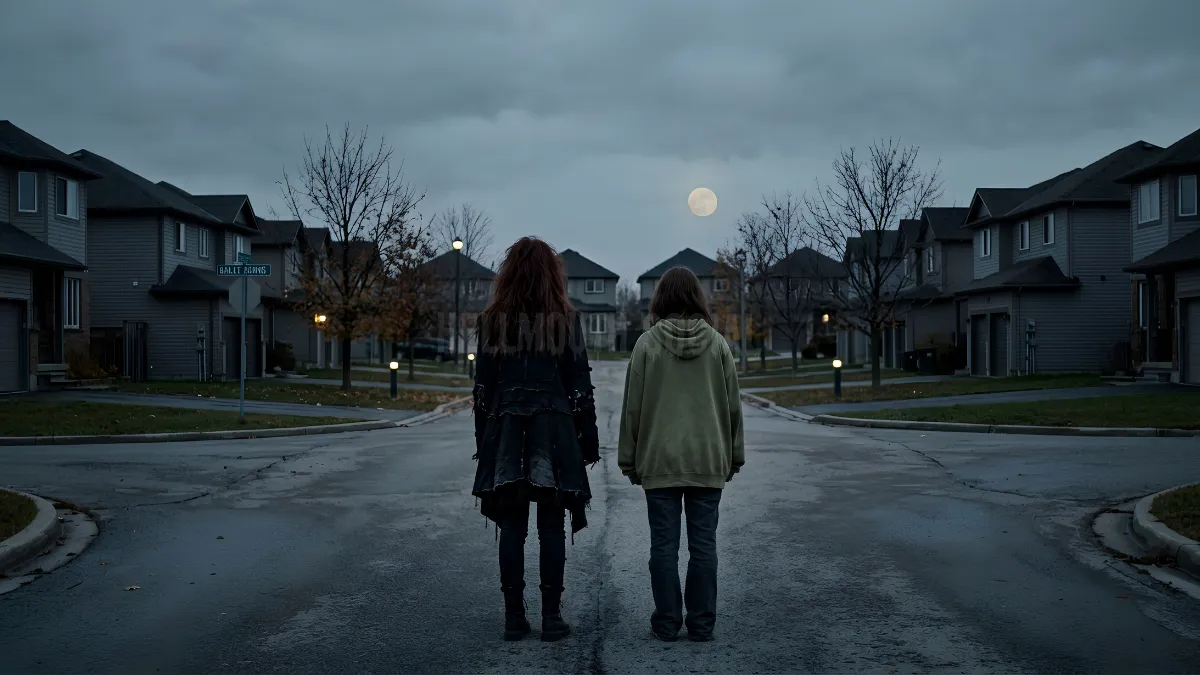
Which Ginger Snaps Character Did Midlife Turn You Into?
Health class handed us a pamphlet. Ginger Snaps handed us the truth.
There's a specific kind of Xennial who didn't discover Ginger Snaps in a theater. We found it the way we found everything good back then: a copy that traveled hand to hand, a label written in someone's mom's pen, a late showing on a channel we weren't technically supposed to be watching at that hour. And somewhere around the part where a teenage girl starts sprouting things and losing her temper at the entire concept of suburbia, a quiet realization sets in.
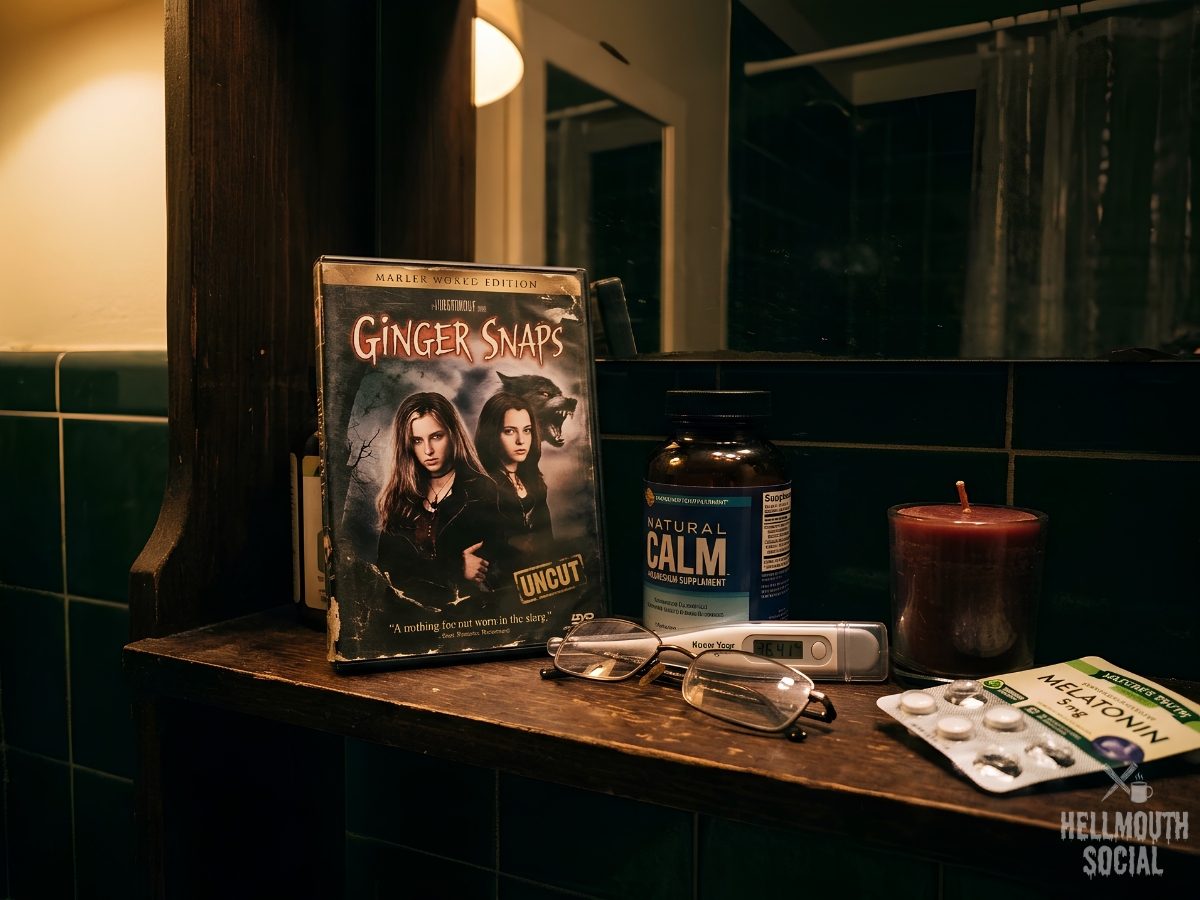
This little Canadian horror movie understood our bodies better than any adult ever had.
Nobody in 2000 sat us down and explained that the most frightening transformation of our lives would arrive uninvited, rearrange us from the inside, and come with absolutely no instructions. Ginger Snaps did. It just dressed the lesson up as a werewolf and set it loose in a town with a suspicious number of dead dogs.
Here's the part that gets you now, though.
The movie was about the first transformation. The one with the cramps and the rage and the sudden feeling that your own skin had been recalled and replaced with a defective model. We watched it back then thinking it was about being sixteen.
We were not sixteen forever, as it turns out.
These days a lot of us are living through the unauthorized sequel. Same involuntary body horror, same hormones staging a coup, same uninvited changes nobody bothered to warn us about. Except this version doesn't come with a leather jacket and a cool soundtrack. It comes with a sleep tracker, a forty-dollar magnesium supplement, and a workplace wellness webinar that someone scheduled for 4 p.m. on a Friday.
The Beast of Bailey Downs was never really a werewolf.
The Beast was puberty, then perimenopause, then the slow horror of realizing your body has a whole second act planned and didn't consult you about any of it.
So no, the movie didn't change. We're just watching it from inside the transformation now instead of from the bedroom floor.
Before we go any further, a quick refresher for anyone whose memory of Bailey Downs has gone a little fuzzy.
Two sisters, Ginger and Brigitte, spend their days staging elaborate fake death photos and quietly despising the cheerful hellscape of their hometown. They have a pact about it. Then something out in the dark bites Ginger, and she begins changing — first in ways that look an awful lot like growing up, then in ways that involve significantly more fur and body count.
Brigitte scrambles to save her. A local guy who grows things and sells things turns out to be the only person willing to take the situation seriously. And presiding over all of it is their mother, beaming, baking, and far more dangerous than anyone gives her credit for.
It's a werewolf movie the way Buffy is a show about vampires. Which is to say, technically, and also not at all.
What I've noticed is that most of us have quietly grown into one of four Bailey Downs archetypes. Not the one we would have picked at nineteen, sprawled on a friend's carpet arguing about the ending. The one midlife actually filed us under, whether we signed off on it or not.
Before you read on, take a second to find out which one claimed you.
The Ginger: She's Done Being Pleasant About It
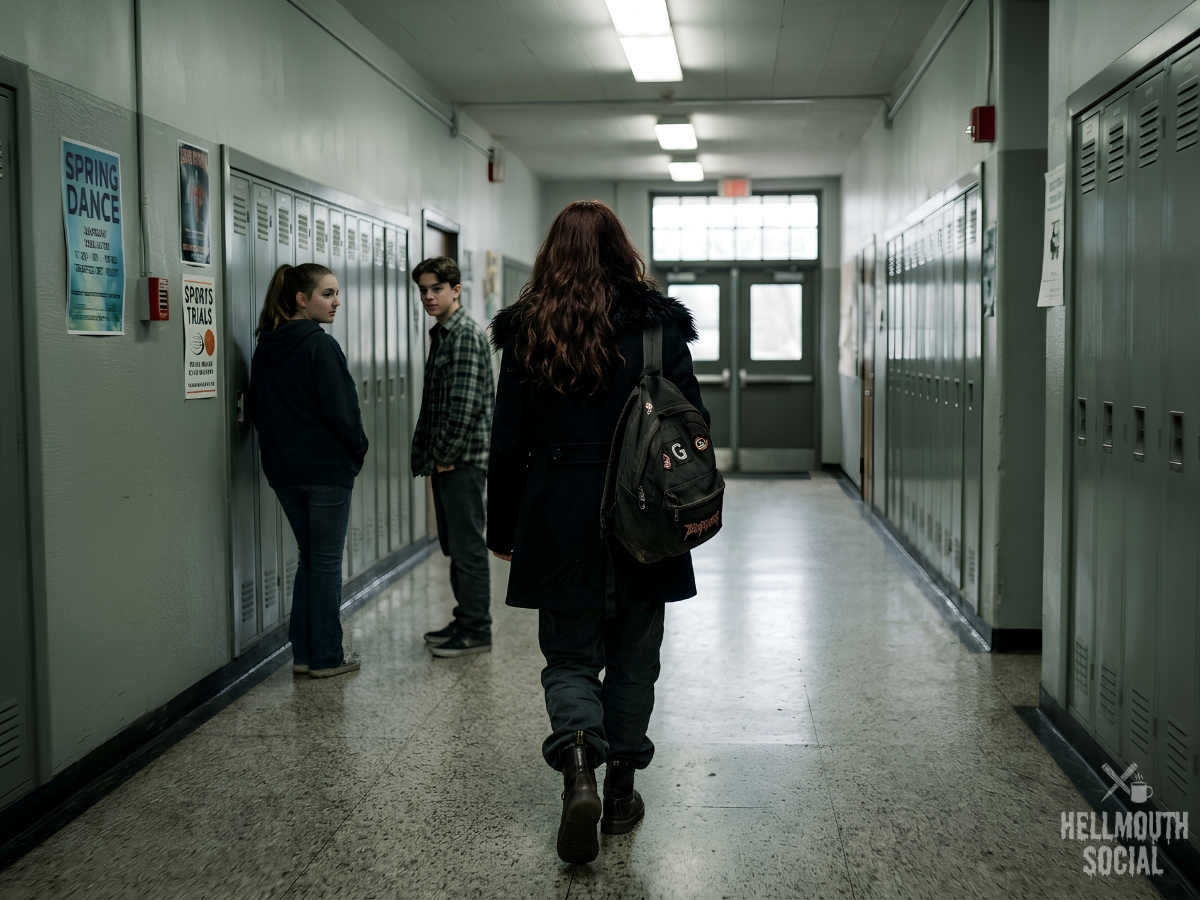
You've met her. There's a real chance you've recently become her.
She's the one who stopped softening her sentences. The one who finally said the thing at the dinner table that everyone had been politely choking on for fifteen years. She left the job, or the marriage, or the friendship that ran exclusively on her doing the emotional accounting. She did it without the long apologetic preamble women her age were trained to deliver before asking for literally anything.
She is, in the most affectionate possible sense, a little bit terrifying right now. And she has never been more herself.
This is the Ginger.
Remember Ginger's transformation — the heat under the skin, the impatience, the sense that something enormous was clawing its way up and out of her with no regard for who found it convenient? There's a line in the film about an ache she assumed was longing, until she understood it was the urge to rip the whole world apart. Show that scene to a room of women in their mid-forties and watch them go very quiet, then nod.
That ache is not a malfunction. That ache is a forwarding address.
Her great strength is clarity. She can see, with a precision that unsettles everyone around her, exactly which arrangements in her life were built for other people's comfort and billed to her account. And she's closing the accounts. The performance of being agreeable, low-maintenance, easy — she has read the fine print on all of it and she is out.
Her trap is that not every situation calls for demolition. Sometimes a thing just needed a window cracked and a hard conversation, not a controlled burn.
The Ginger occasionally torches a perfectly salvageable bridge because torching it felt incredible, and incredible is a sensation she was denied for two solid decades.
The hangover comes later.
But let's be honest about what she actually is. She isn't the villain of her own story, no matter how the people she's inconveniencing want to frame it. She's the one who finally read the contract she'd been signing on autopilot since she was twelve, and decided she wasn't renewing.
The Brigitte: Running the Whole Crisis From a Spreadsheet
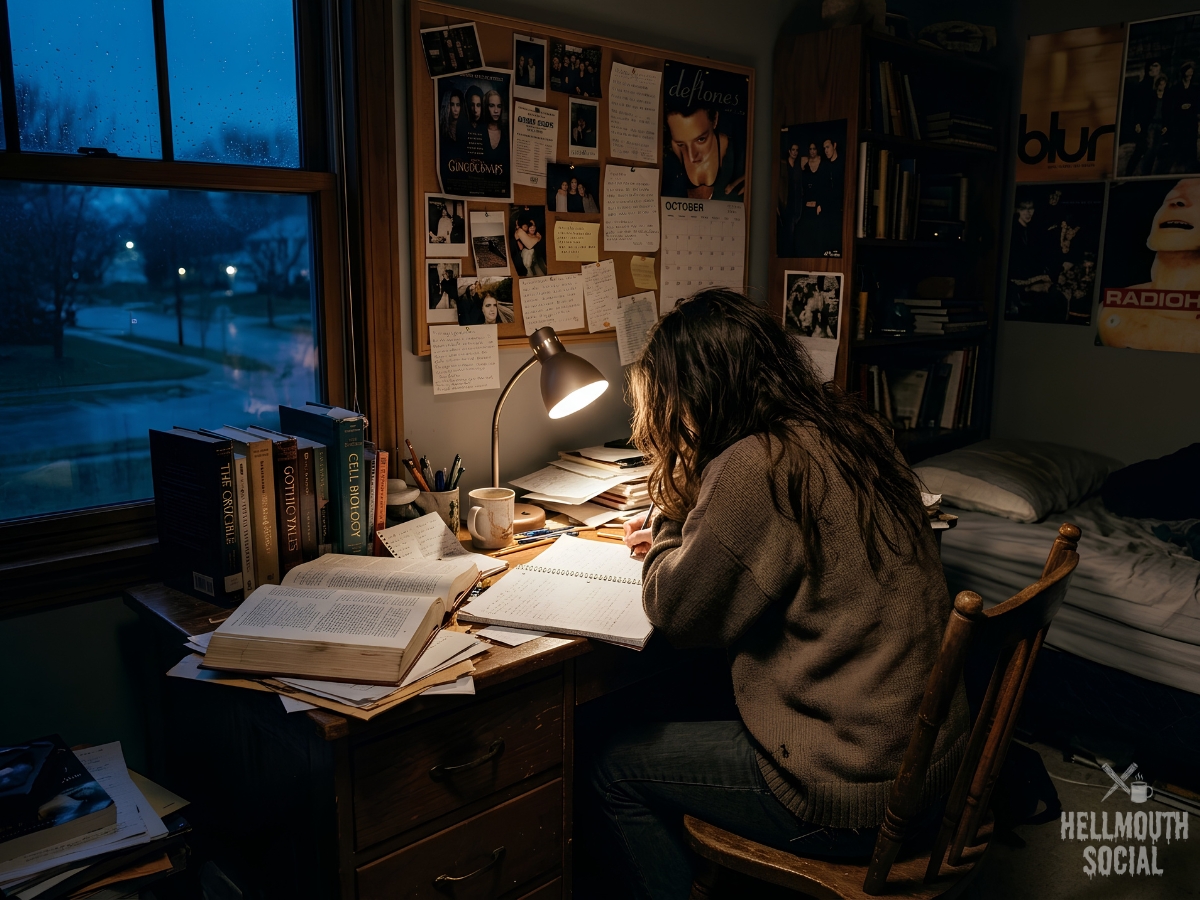
If the Ginger is the transformation, the Brigitte is the one watching it happen and frantically taking notes.
She's the friend awake at 2 a.m. with fourteen browser tabs open, cross-referencing everyone's symptoms. She remembers which medication your mother is on and when your weird mole appointment is. She is the keeper of the receipts, the group's unofficial archivist of who said what, and the person who somehow ends up project-managing a crisis she did not cause and was not invited to join.
She is, in the words she would never use about herself, the actual protagonist.
Brigitte spends the entire film trying to fix what's happening to her sister. Researching. Bargaining. Hunting down a cure while everyone else either panics or pretends nothing's wrong. She's observant, capable, and so thoroughly focused on managing the people she loves that she barely registers her own slow unraveling. The audience watches her hold the line through sheer competence and dread.
Her strength is that she shows up and she stays. Loyalty isn't a word she'd reach for — too sentimental — but it's the engine running underneath everything. She's the one who actually reads the discharge instructions, who calls the second pharmacy, who knows the difference between the symptoms worth panicking about and the ones worth ignoring.
In a real emergency, you want a Brigitte.
Her trap is the oldest one in the book for women like us. She's so busy tending everyone else's transformation that she keeps deferring her own. The plan is always I'll deal with me once they're sorted, and they are never quite sorted, so she never quite gets to herself. She mistakes caretaking for connection and calls her own exhaustion devotion.
Here's what the movie quietly knows, though, and what took the rest of us until our forties to learn. You cannot research the people you love back into being fine. You cannot spreadsheet someone else's transformation into stopping. And the cure she spent the whole story chasing for everyone else? She was allowed to take a dose herself the entire time.
The Sam: The Competent Weirdo With a Van and a Plan
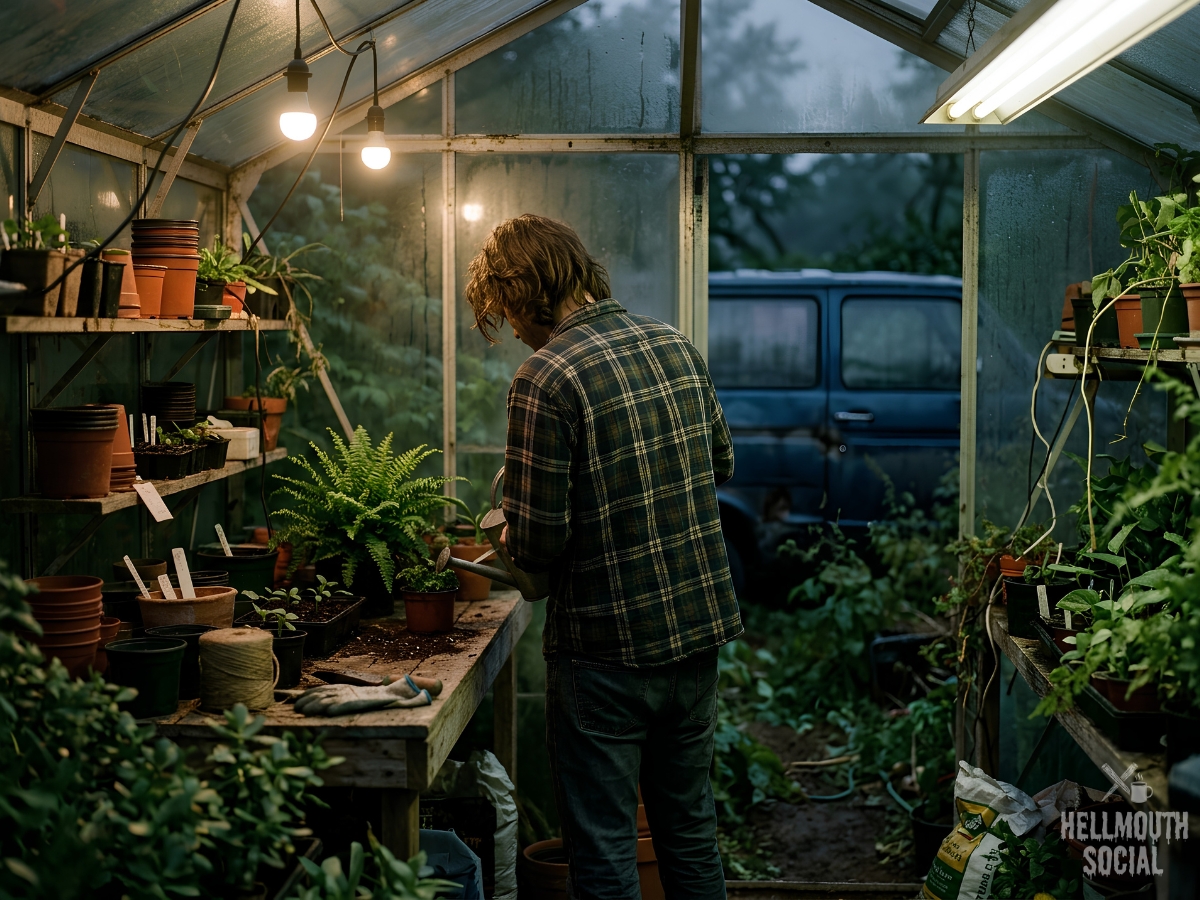
Every friend group has the one person who, when the genuinely strange problem appears, simply has the supplies.
Not the loudest. Not the one with the most followers or the cleanest house.
The one with the workshop, the side skill nobody asked about, the garage full of things that turn out to be exactly what's needed. The "oh, I know a guy" person. The one who responds to your unhinged 11 p.m. text with "yeah, I can sort that", and then actually does.
This is the Sam.
In a town full of people losing their minds or refusing to admit anything's wrong, Sam is the dealer-slash-grower who looks at a literal werewolf situation and goes, alright, let's figure out the chemistry.
He doesn't flinch and he doesn't judge.
He just gets to work on a cure with the calm of someone who's seen weirder and lived.
He's the most quietly capable adult in the entire movie, and he spends it parked at the edge of the frame in a van.
His strength is usefulness without ego.
He doesn't need to be the hero of the story to help save it. He's the friend who arrives with the right tool, the steady hand, the practical fix, while everyone else is busy having feelings about the situation. By midlife, the Sams of the world have quietly become indispensable to about nine separate friend groups.
His trap is the one all the helpers fall into. Because he's so reliably the fixer, nobody thinks to ask who's fixing things for him. He gets so comfortable solving everyone else's emergency that he forgets to be the main character of his own. The chill, capable energy can curdle into a kind of permanent supporting role.
I'll be careful with how the film treats Sam, because anyone who's seen it remembers, and it stings. But the lesson lands clean: the resourceful one, the realist with the van and the answers, deserves rescuing too. The person who always has the plan should not be the person nobody ever shows up for.
The Pamela: The Cheerful Arsonist
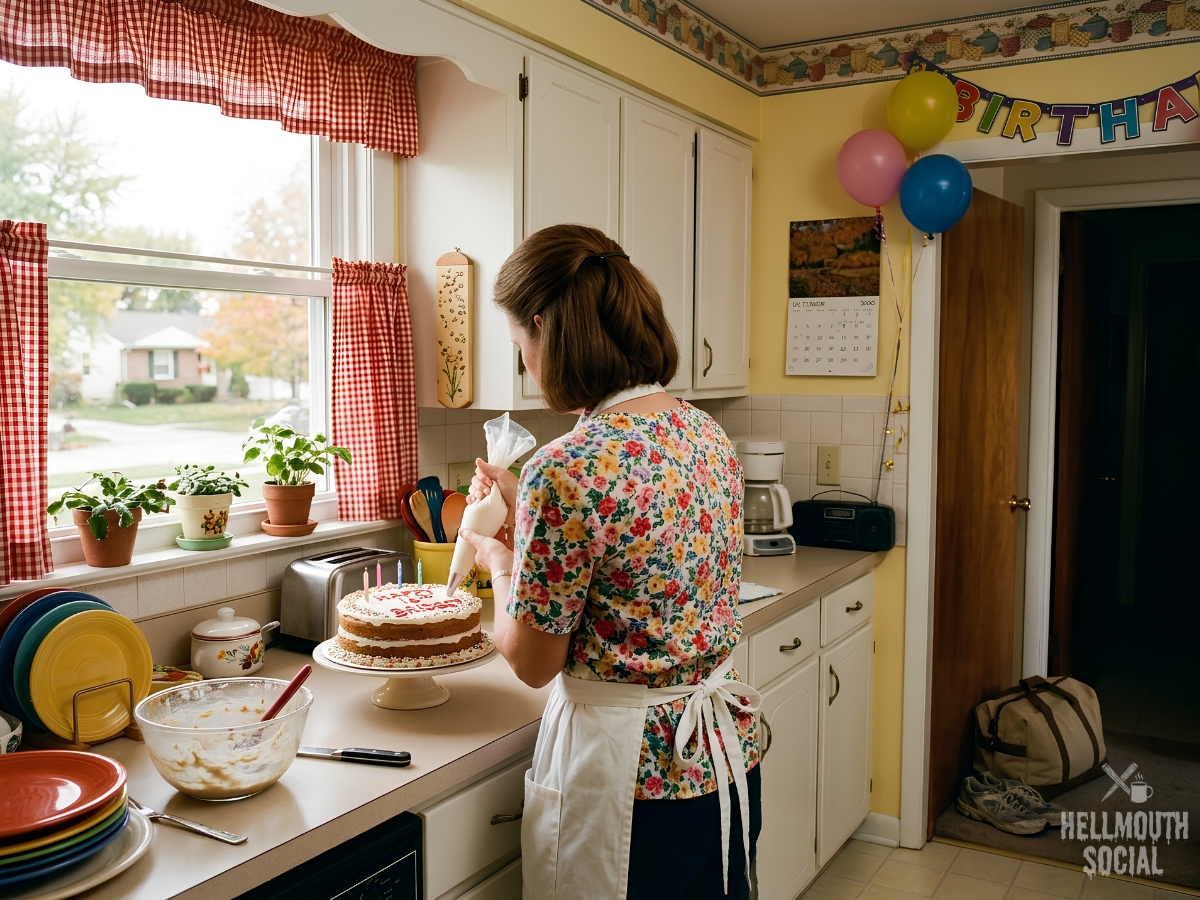
And then there's the mom. Beaming. Baking. Narrating the slow collapse of her household in the bright, untroubled voice of someone reading a brunch menu.
You know this woman.
She copes by decorating.
She copes by organizing.
She copes by maintaining a relentlessly upbeat commentary track over a situation that is visibly, structurally on fire, and you cannot tell whether she's in denial or whether she's the only person in the building who actually has a plan.
This is the Pamela. And the answer is: she has a plan.
Pamela Fitzgerald is the most underrated character in the movie, and it's not particularly close. Everyone clocks the chipper suburban mom routine — the cake, the cheer, the determined pleasantness. What they miss is the moment the mask slips just enough to reveal what's underneath: a woman who would, with a serene smile and a packed bag, burn the entire house to the ground and start over somewhere new if that's what it took to protect her kids.
The cheer isn't obliviousness. The cheer is a fortress.
Her strength is a loyalty so total it disguises itself as a casserole. She holds the whole household together with sheer performed optimism, and when the chips are genuinely down, she's the one who's already thought through the getaway.
The Pamelas keep families and friend groups functioning on a current of forced brightness that's secretly powered by an iron will to never, ever let her people face it alone.
Her trap is that she performs fine so convincingly, for so long, that eventually nobody checks on her — including her. The upbeat narration becomes a way to avoid ever saying the true thing out loud. Coping mechanisms that look exactly like denial right up until the second they reveal themselves as ferocity.
Don't mistake the cheerful ones for the unaware ones. The Pamela sees everything. She just decided a long time ago that love, in her hands, was going to look like a perfectly frosted cake on the counter and an escape route in her back pocket. Both. Always both.
What the Transformation Actually Changed
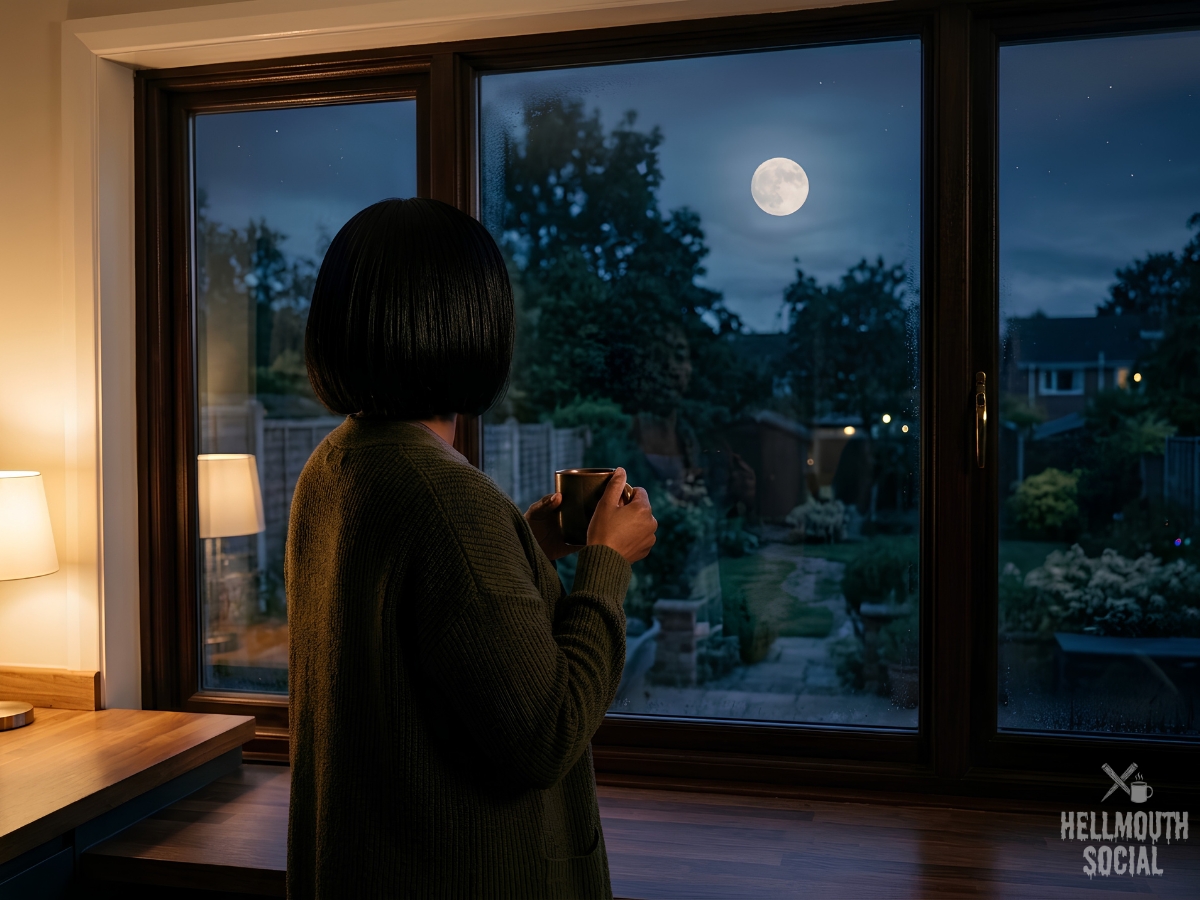
None of these four is the right answer, which is the entire point.
Most of us are a blend, depending on the day and who's currently in crisis. I can be a Brigitte from Monday to Friday, become a full Ginger the instant a group chat takes a turn, default to Pamela energy at every family gathering, and morph into a Sam the moment somebody I love has an actual fixable problem. We contain the whole cast. That's not indecision. That's just what a long enough life does to a person.
Ginger Snaps hits differently in midlife because we finally understand what it was always doing.
It was never a horror movie about a monster in the woods.
It was a story about a body changing without anyone's consent, about the people who love you scrambling to keep up, and about how nobody hands you the manual for any of it. We watched it as kids who thought the scary part was the fur.
The scary part was never the fur. The scary part is that the transformation doesn't end at sixteen. It just keeps coming back wearing different symptoms.
The sisters had a pact — the one about going out by sixteen or dead on the scene, together no matter what. We blew past sixteen ages ago. The togetherness is a group chat and a shared calendar now. And the version of that pact that actually matters in midlife is quieter and far less dramatic: we keep showing up for each other through every uninvited change, all the way down.
So which one did midlife turn you into?
If you're not entirely sure, the quiz is right here, ready to file you under your true Bailey Downs archetype.
Take the Ginger Snaps Quiz here!
And if you want more of this — pop-culture sociology with teeth, delivered every Sunday from the Hellmouth — come join the Council. Free stickers, no prophecies, no obligation.
Adulthood doesn't come with a cure.
But it helps to have a sister, a spreadsheet, and a guy with a greenhouse.