Custom
AI-Generated Designs for Creators Who Sell
Order custom t-shirt art, wall prints, clipart sets, and more — all tailored to your exact style!
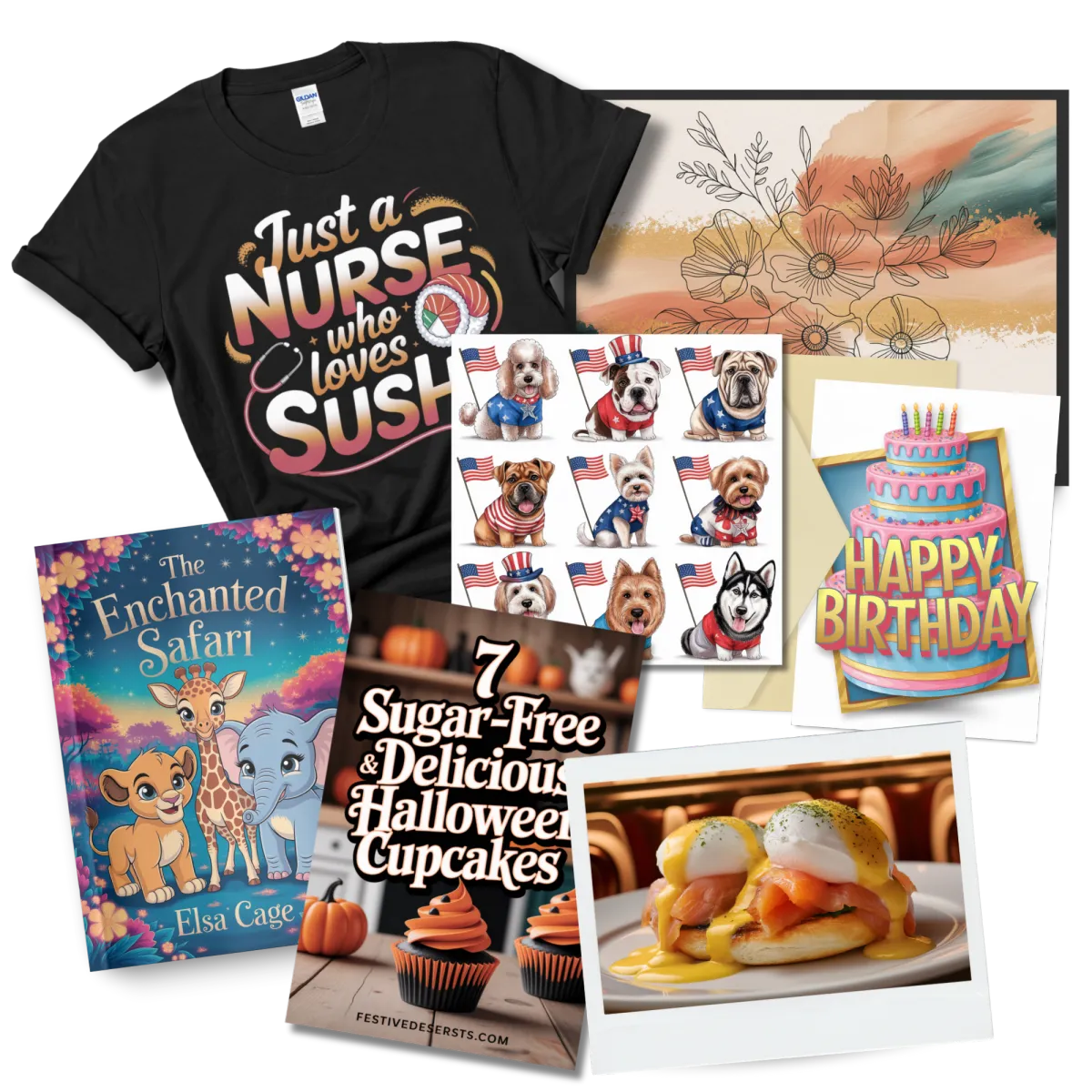
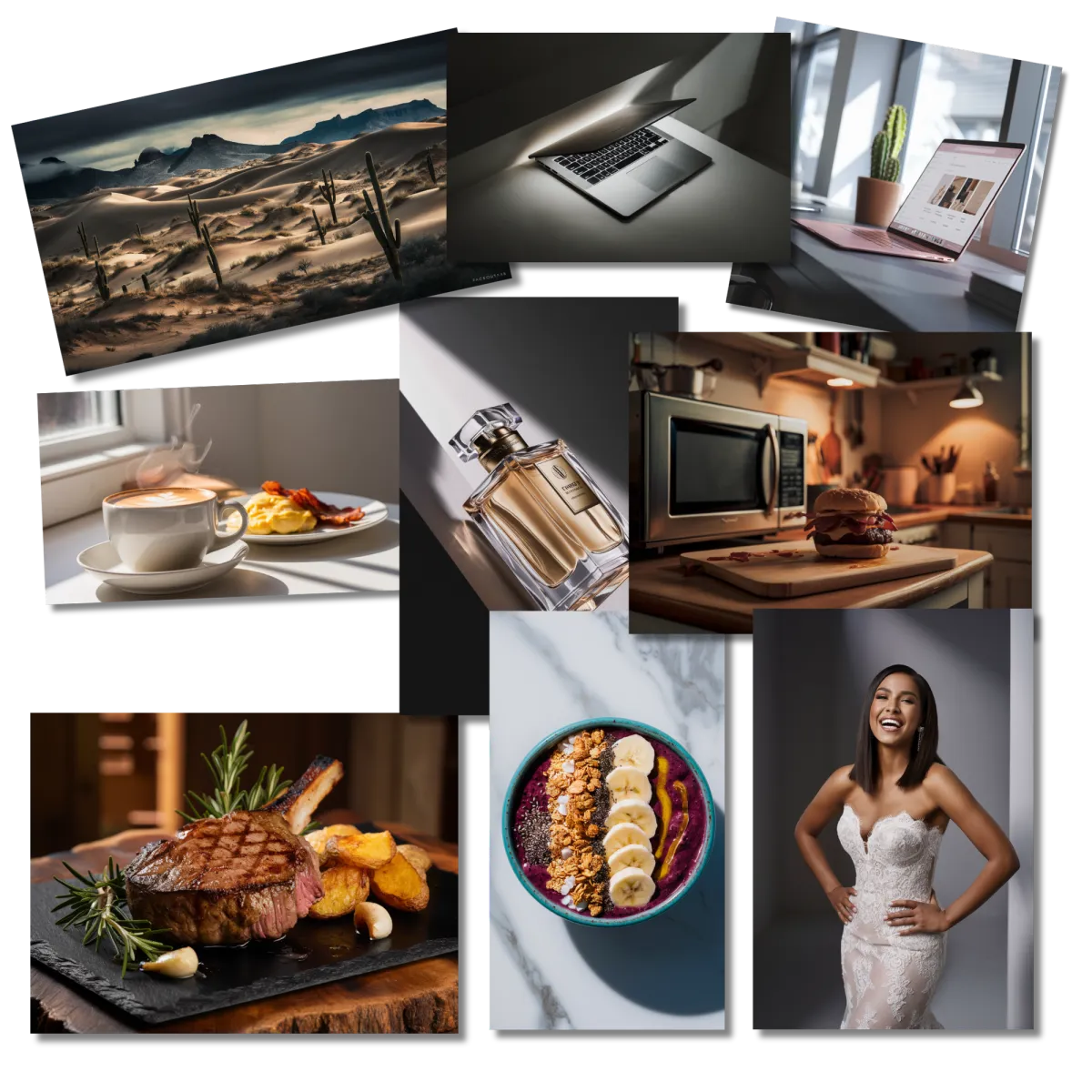
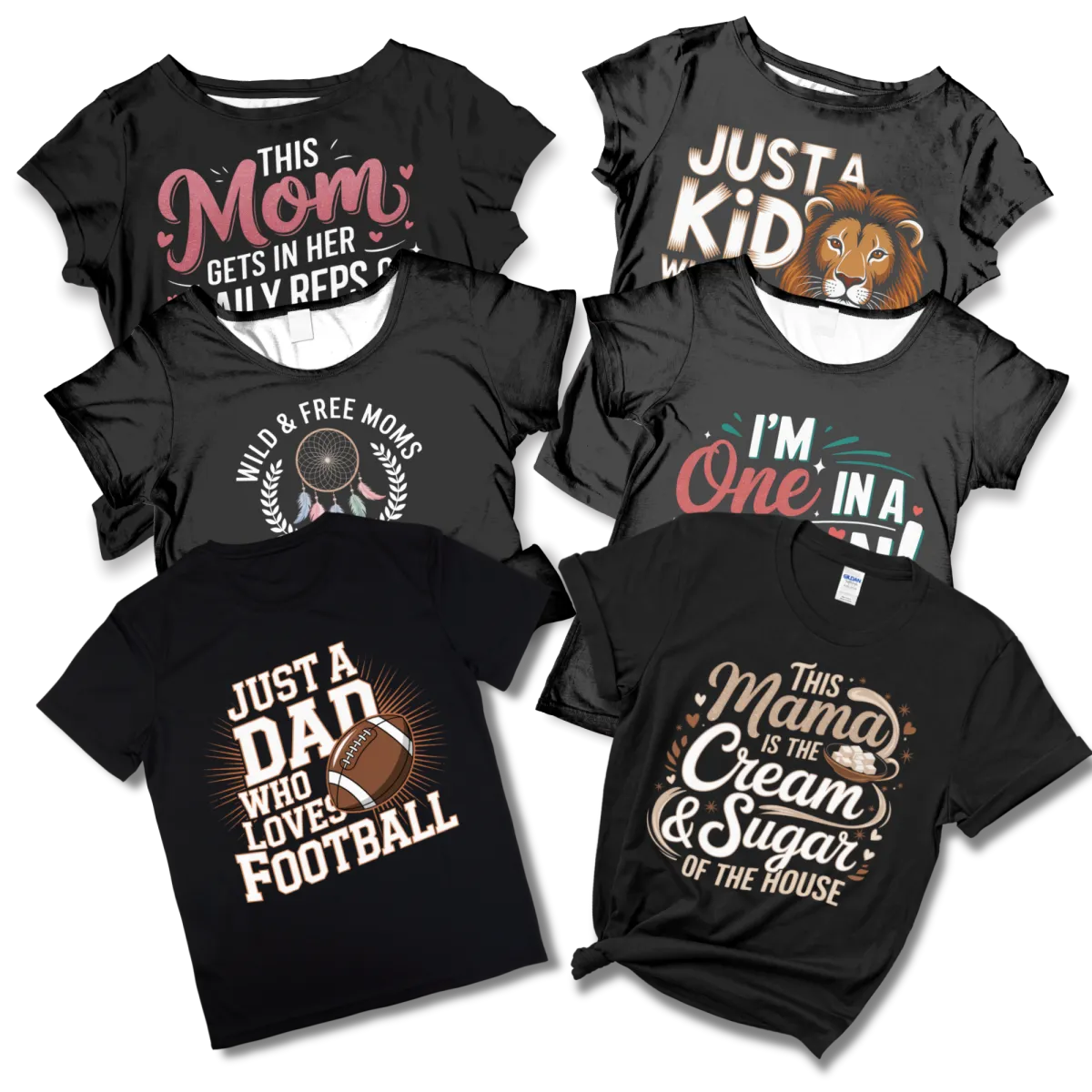
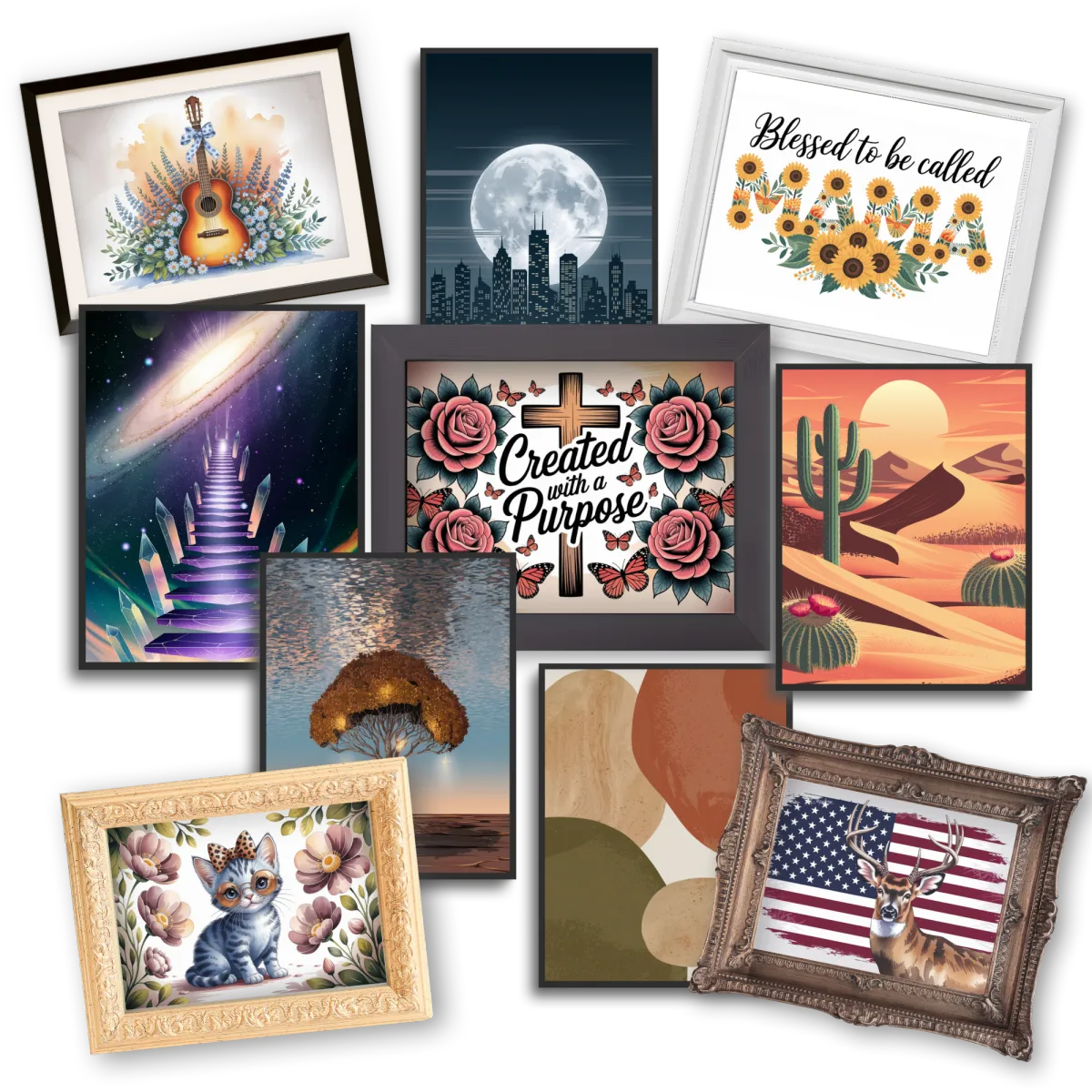
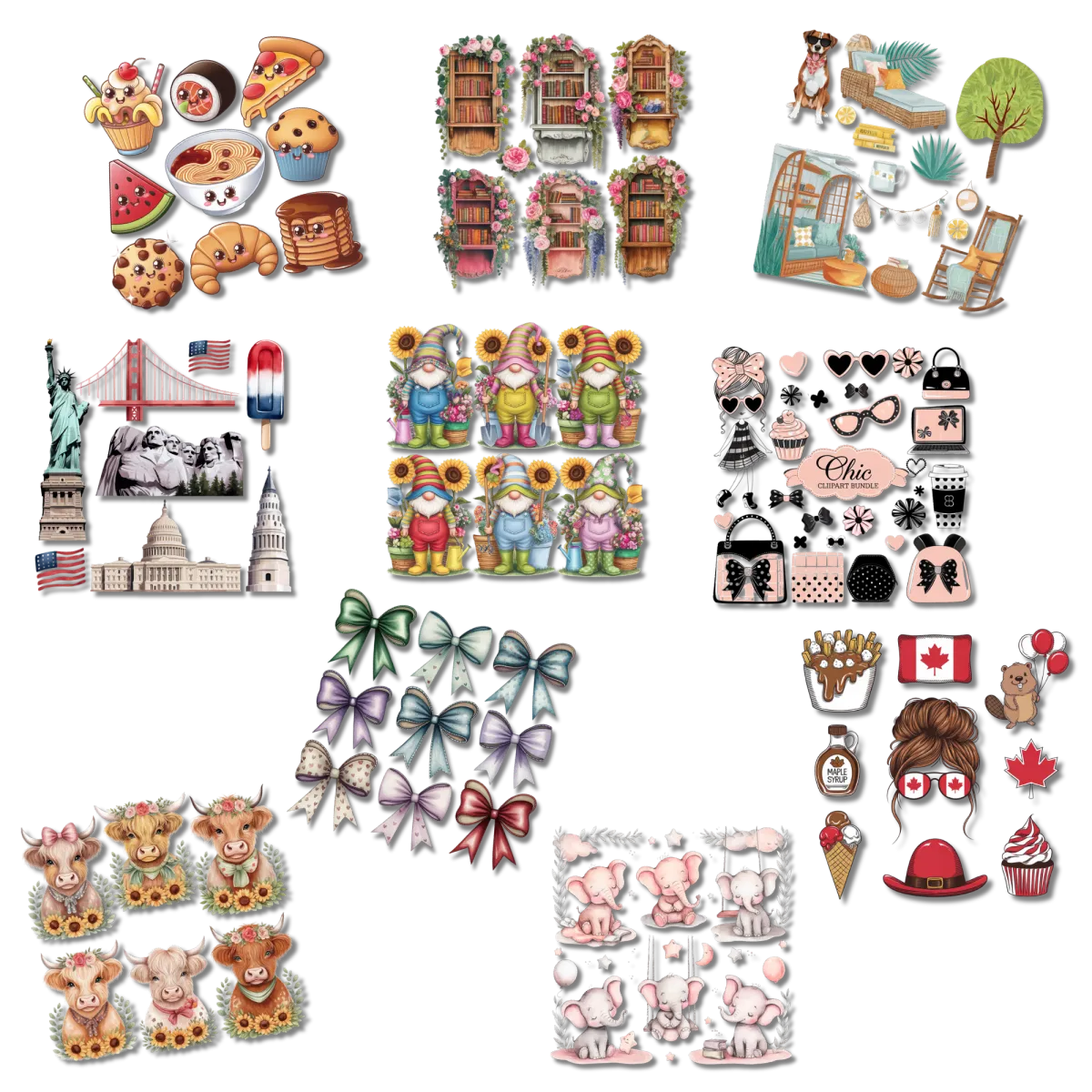
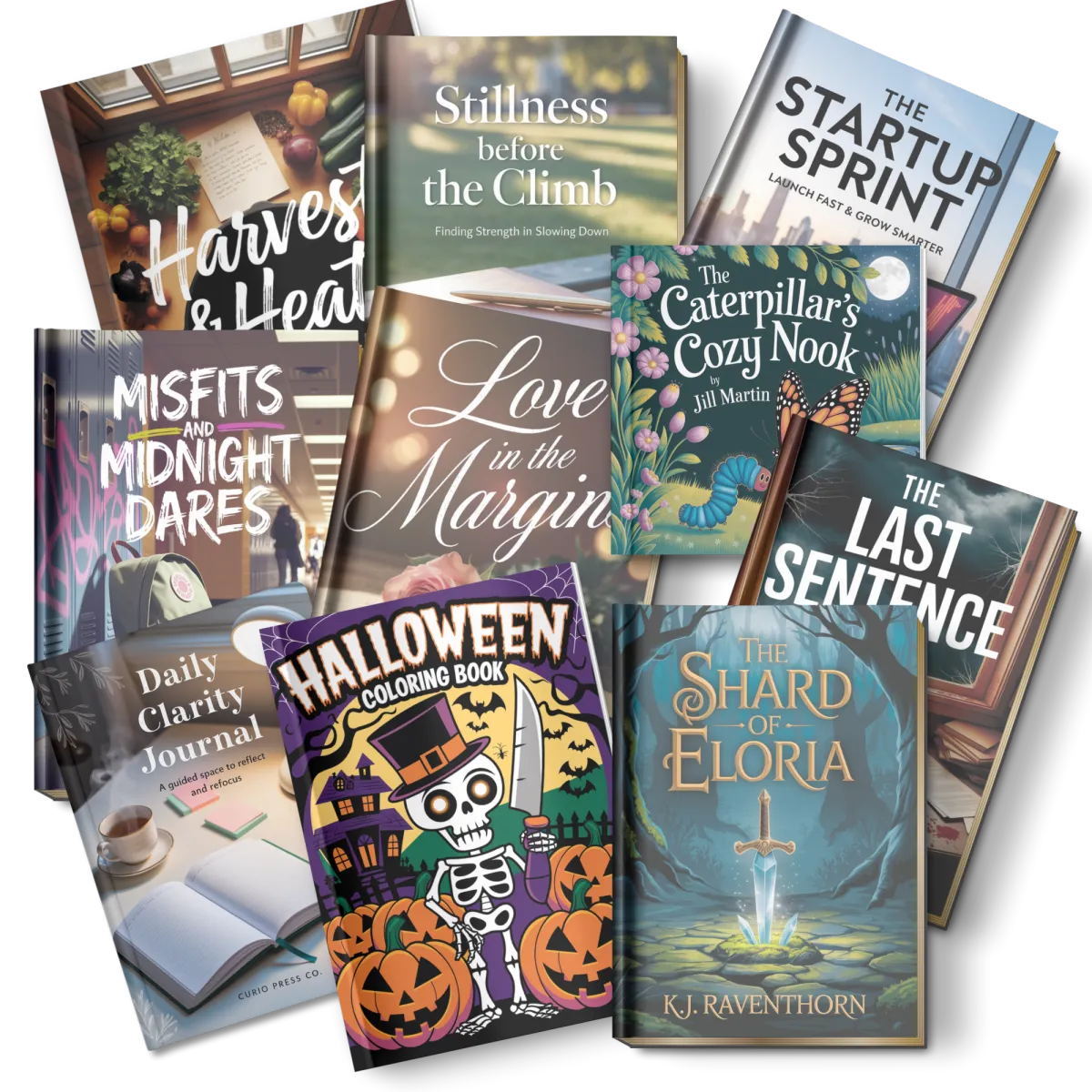
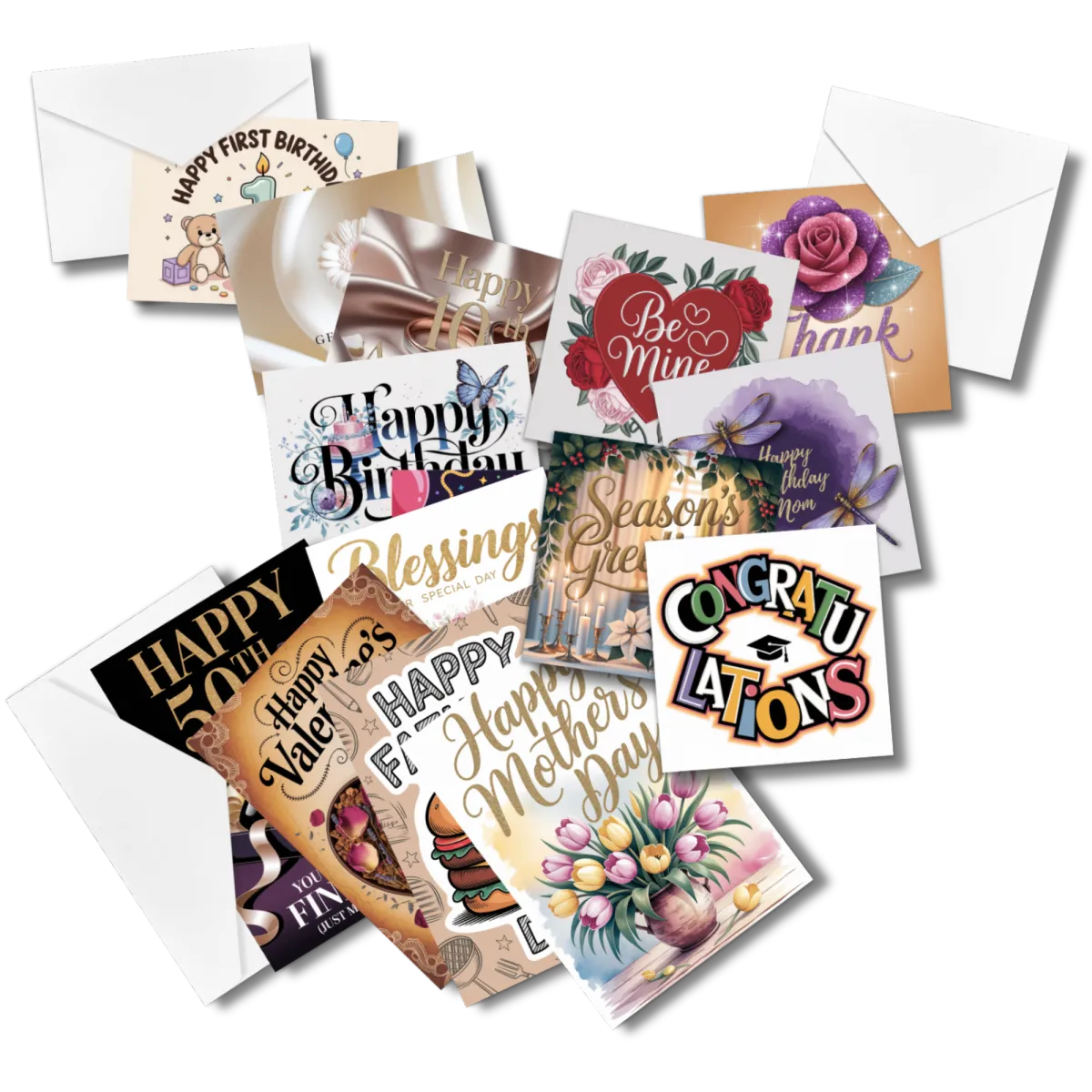
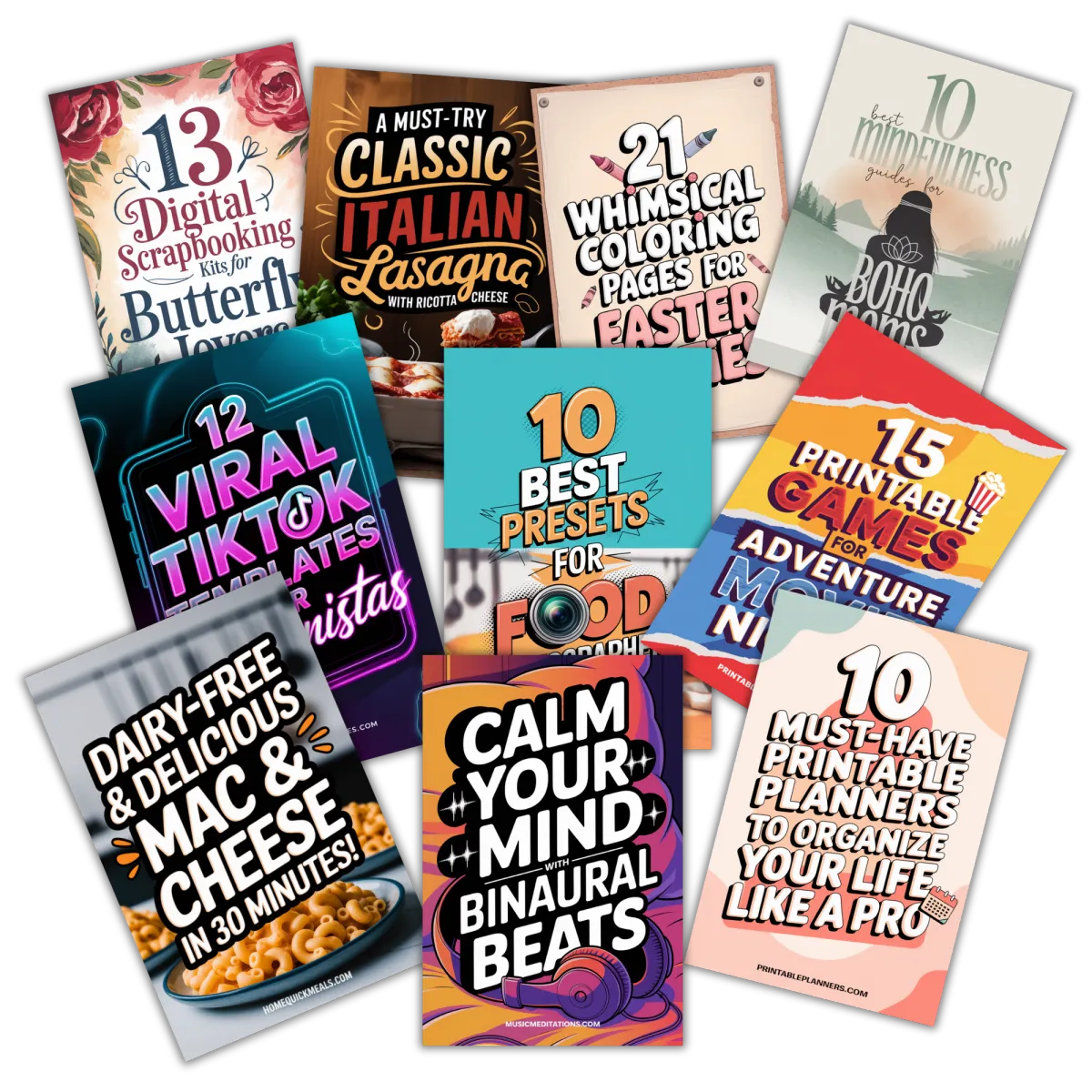
In need of stunning images for your next project?
Let me help you by crafting accurate prompts to generate amazing quality outputs using Ideogram — no guesswork, no fluff. Whether you need bold t-shirt designs, cute clipart sets, moody book covers, or scroll-stopping Pinterest pins, I’ll handle the creative direction so you can focus on what you do best: creating, selling, and growing your brand. Pick your image type below, fill out a quick form, and I’ll take care of the visuals.
Hello There!
Hey, I’m Asha — your AI design whisperer! Fueled by caffeine and Ideogram, I use custom prompts and creative strategy to turn everyday ideas into scroll-stopping designs for shirts, prints, pins, and more. No fluff. No filler. Just clean, custom visuals you can actually use commercially.
Want a closer look at my design style?
I've built an impressive gallery of designs that should give you an idea as to the type of images I can create for you - especially for black colored apparel. Hit that button below and explore my public profile on Ideogram.

Custom AI-generated images made simple
How the Process Works
Step 1
Choose your design type + fill out a form.

Step 2
Pay 50% deposit and I get to work.
Step 3
Pay for the completed work and get your final files.
Want to Create Your Own Designs Like I Do?
Grab my exact prompt system and start designing with confidence in Ideogram.
Latest from the Blog
Why Your Rent Is High and Your Social Battery Is Low
Hey my fellow exhausted bridge-dwellers! If you’re a Xennial like me, you’re currently stuck in the generational equivalent of a permanent Sunday Scaries episode. We’re too young to have retired on a whim in 1998 and too old to understand why people are filming themselves crying on short-form video apps for “clout”.
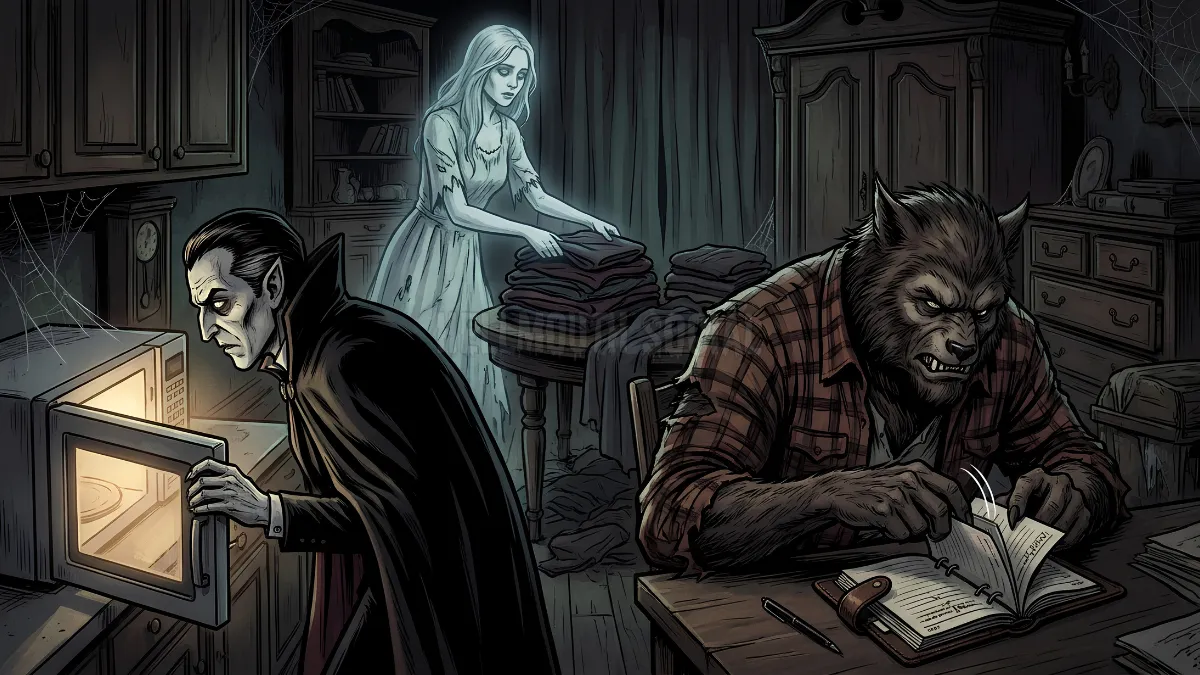
Enter Being Human (the North American flavor). I recently revisited Season 1, Episode 2, "There Goes the Neighborhood: Part 2", and it hit me harder than a realization that I now need fiber supplements. Back in 2011, when this aired, we thought the idea of a vampire, a werewolf, and a ghost sharing a brownstone was a "supernatural dramedy".
Looking at it through our weary 2026 eyes? It’s just a documentary about the soul-crushing reality of the gig economy and the desperate need for roommates to afford a place that isn't a literal dumpster fire.
In this episode, our trio — Aidan (the vamp), Josh (the wolf), and Sally (the ghost) — are trying to pass as "normal." But let’s be real: trying to be a "normal" human in your late 20s or early 30s is the ultimate long-con. We’re all just three monsters in a trench coat trying to convince the neighbors we aren't crumbling inside.
1. The "Normalcy" Performance: A Multi-Level Marketing Scheme
In this episode, Josh and Aidan are obsessed with the idea of a Neighborhood Watch and social integration. They want to prove they belong. It’s peak 2010s "Adulting". Remember when we thought that if we just bought the right throw pillows and had a steady job at the hospital, we’d suddenly feel like we had it all figured out?
Sociologically speaking, this is what Erving Goffman called Impression Management. We’re all actors on a stage, but for Xennials, that stage has changed mid-performance. In 2011, Josh and Aidan were performing for their neighbors. Today, we’re performing for an algorithm.
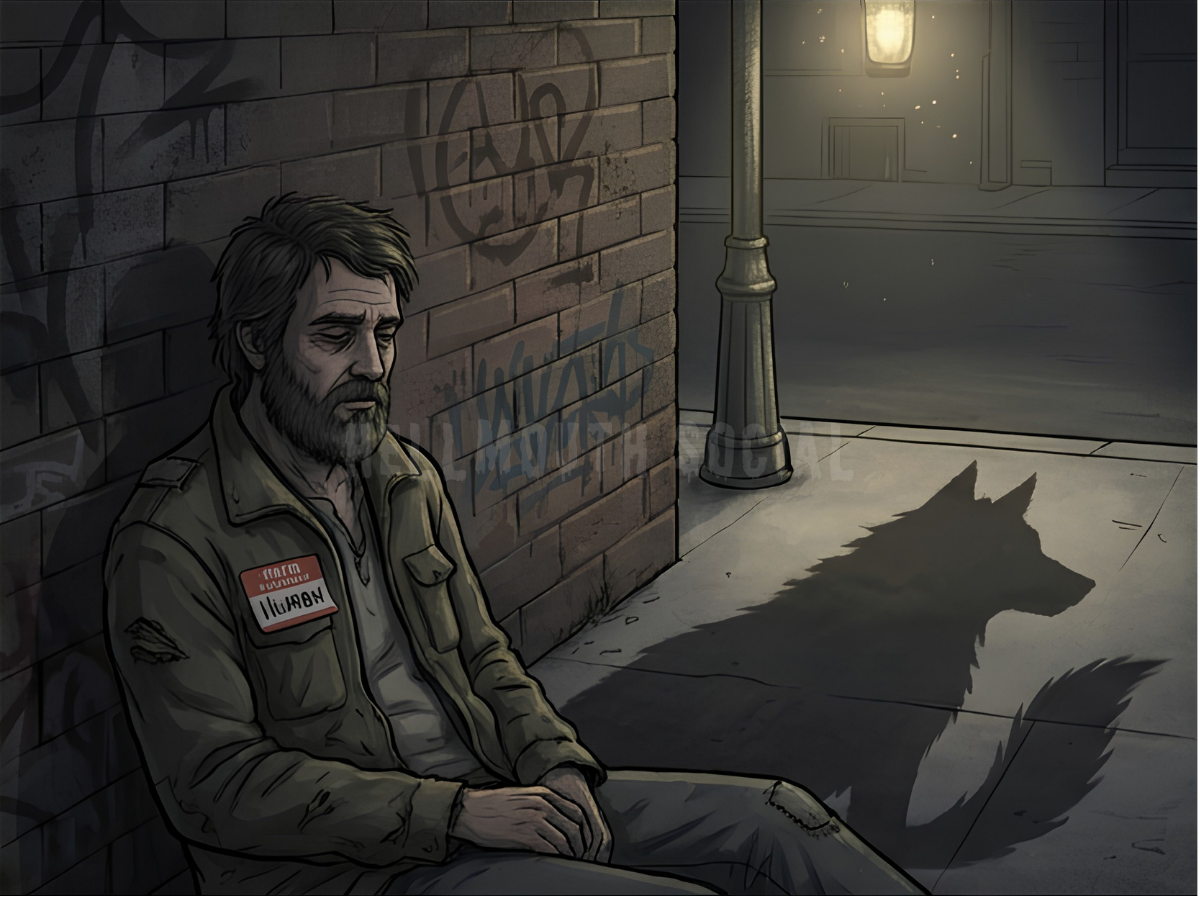
Josh’s neurosis about his "condition" is the perfect metaphor for our generation’s relationship with mental health. We spent our 20s hiding our "monsters" (anxiety, burnout, the fact that we don't actually like craft beer) because we wanted to fit into the corporate neighborhood.
Watching Josh freak out about his impending transformation is exactly how I feel when I see a "Meeting Invitation" pop up on my calendar at 4:45 PM on a Friday. It’s a forced metamorphosis into a version of myself that wants to bite someone.
2. The Ghost in the Machine (and the Kitchen)
Sally, our resident poltergeist, spends this episode grappling with the fact that she’s stuck in the house where she died. She’s mourning her old life while trying to figure out how to exist in a world that can’t see her.
If that isn't the most Xennial mood ever, I don't know what is. We are the "Ghost Generation." We remember the analog world — rotary phones, the smell of a Blockbuster, the ability to disappear for a weekend without a GPS tether — but we are forced to haunt a digital world that doesn't quite fit us.
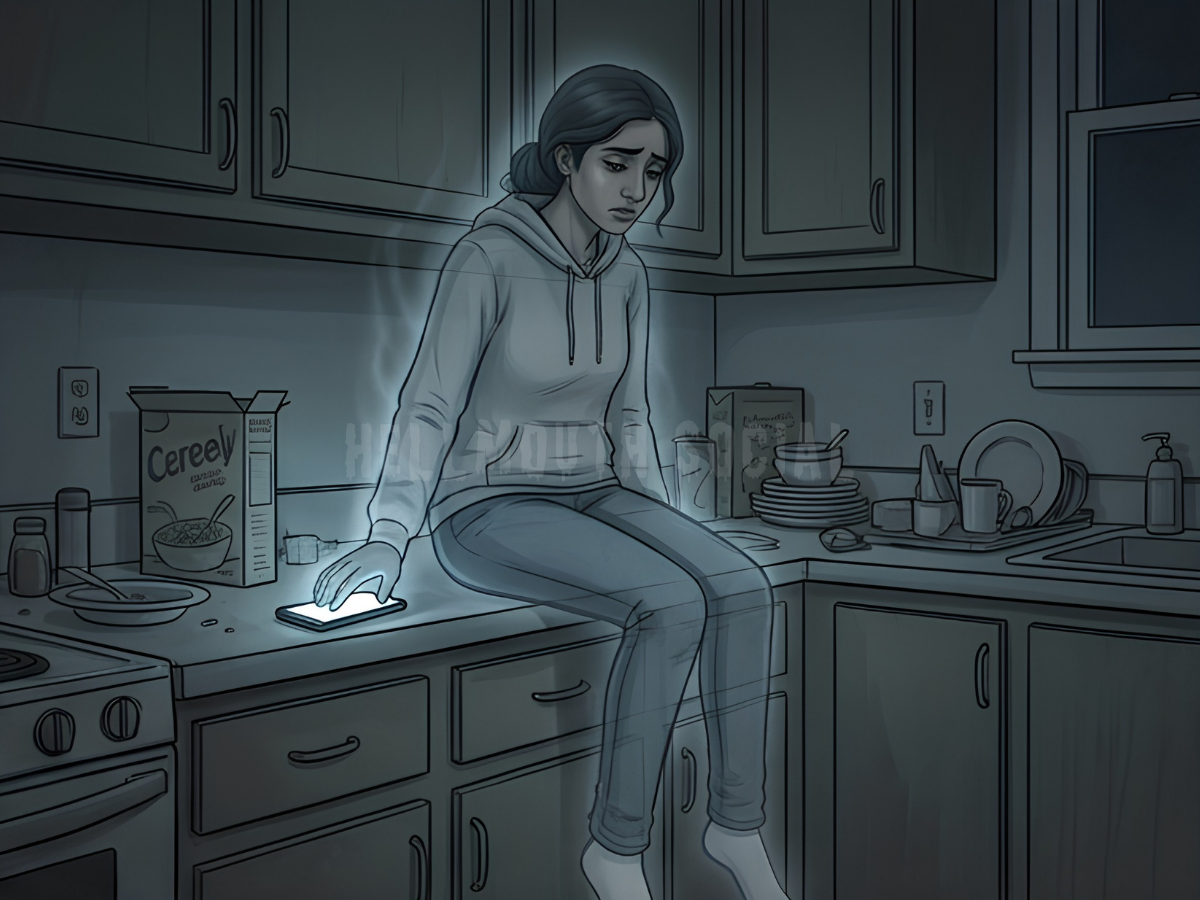
Sally’s isolation in the house is a direct parallel to the "Third Place" crisis. In sociology, a "Third Place" is somewhere that isn't home or work (like a cafe or a park) where people connect. For Sally, the house is all three. For us in 2026, thanks to the glorious evolution of remote work, our living rooms have become our offices, our gyms, and our psychic prisons.
We’re all Sally now — pacing the same floorboards, wondering why the thermostat is so high, and trying to make contact with the outside world through a screen. We’re not dead; we’re just "working from home" and forgot how to put on hard pants.
3. The Vampire’s Pyramid Scheme of Toxic Friendships
Aidan’s struggle in this episode involves Bishop — the "bad influence" father figure who wants Aidan to come back to the vampire fold. It’s the classic struggle between who you want to be and the toxic culture that raised you.
In the 2010s, we called this "climbing the ladder." In 2026, we recognize it as a toxic workplace culture that expects your "blood, sweat, and tears" (literally, in Aidan’s case). Bishop represents that old-school, predatory institutional power. He’s the boss who tells you "we’re like a family here" right before asking you to work through your sister’s wedding.
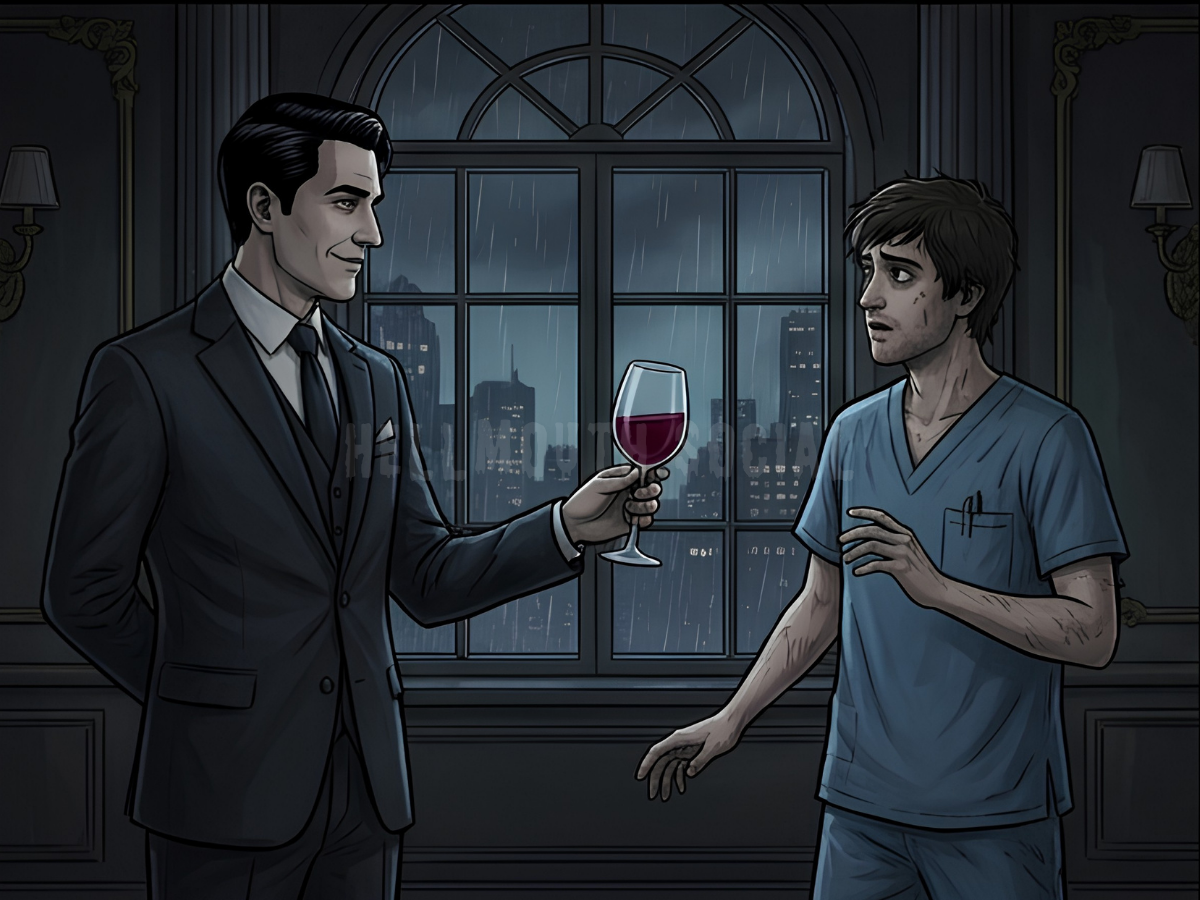
Aidan trying to stay "clean" while working a service job at the hospital is the ultimate Xennial struggle: trying to maintain your ethics while participating in a system designed to drain you dry. We were told if we worked hard and "played by the rules", we’d be fine. But the rules were written by vampires who own the building and the blood bank.
Aidan’s struggle isn't just about blood lust; it’s about the soul-crushing weight of trying to be a good person in a society that rewards the predators.
So, Are We Human Or Are We Just Tired?
Watching this particular episode of Being Human today feels less like watching a fantasy and more like watching a period piece about the exact moment the "American Dream" started to look a lot like a nightmare with better lighting.
The core message of the episode is that "being human" isn't a biological fact — it's a grueling, daily choice. It’s about the friction between our private monsters and our public masks. As Xennials, we’ve spent forty-odd years trying to balance those two things.
We’ve survived the transition from paper maps to AI-generated existential dread, and like Aidan, Josh, and Sally, we’re still just trying to keep the lights on and the neighbors from noticing we’re slightly unhinged.
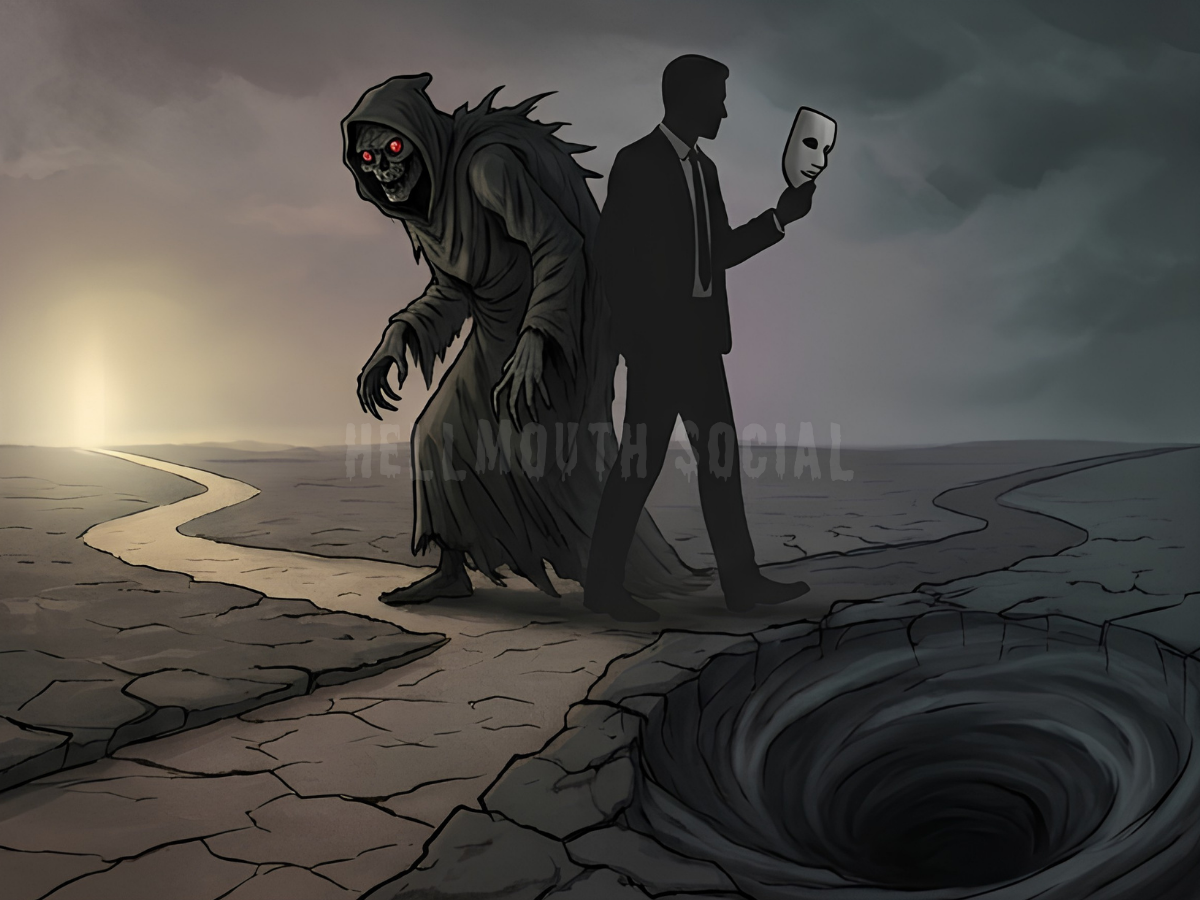
The irony? The "neighborhood" they were so scared of losing doesn't really exist anymore. It’s been gentrified, turned into an overpriced short-term rental, or replaced by a Discord server. But maybe that’s the point. The "monsters" in the house weren't the problem — the world's expectation of normal was.
So, the next time you feel like you're losing your mind because you have to explain to a 22-year-old what a "landline" was, just remember: you're not failing at being an adult. You're just a supernatural entity trying to survive a very weird era.
Grab a snack (blood, raw meat, or a gluten-free cracker, no judgment) and lean into the chaos. After all, the house might be haunted, but at least the roommates understand why you're crying in the pantry.
Stay spooky, stay sarcastic, and for the love of all that is holy, stop checking your work emails after 6:00 PM.